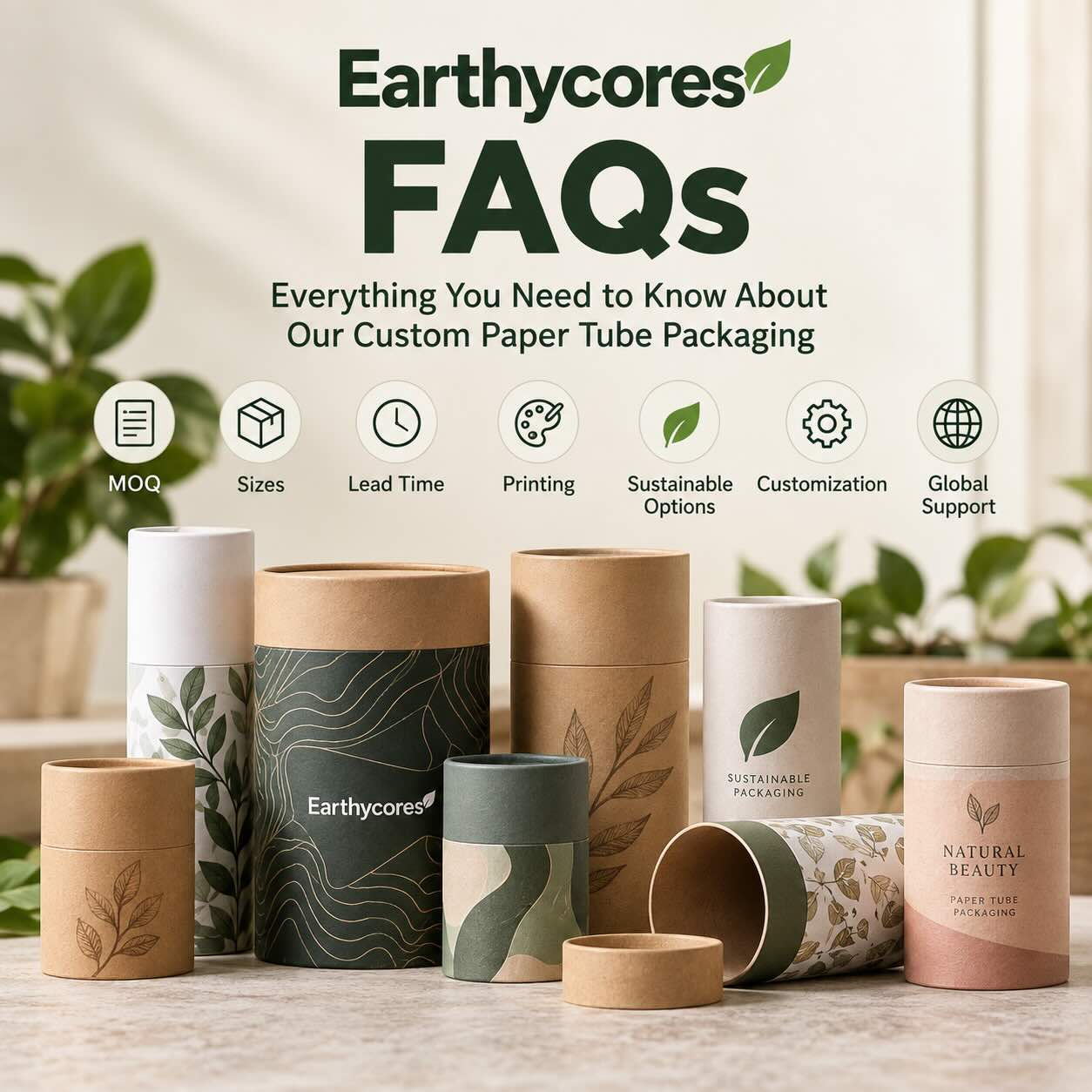
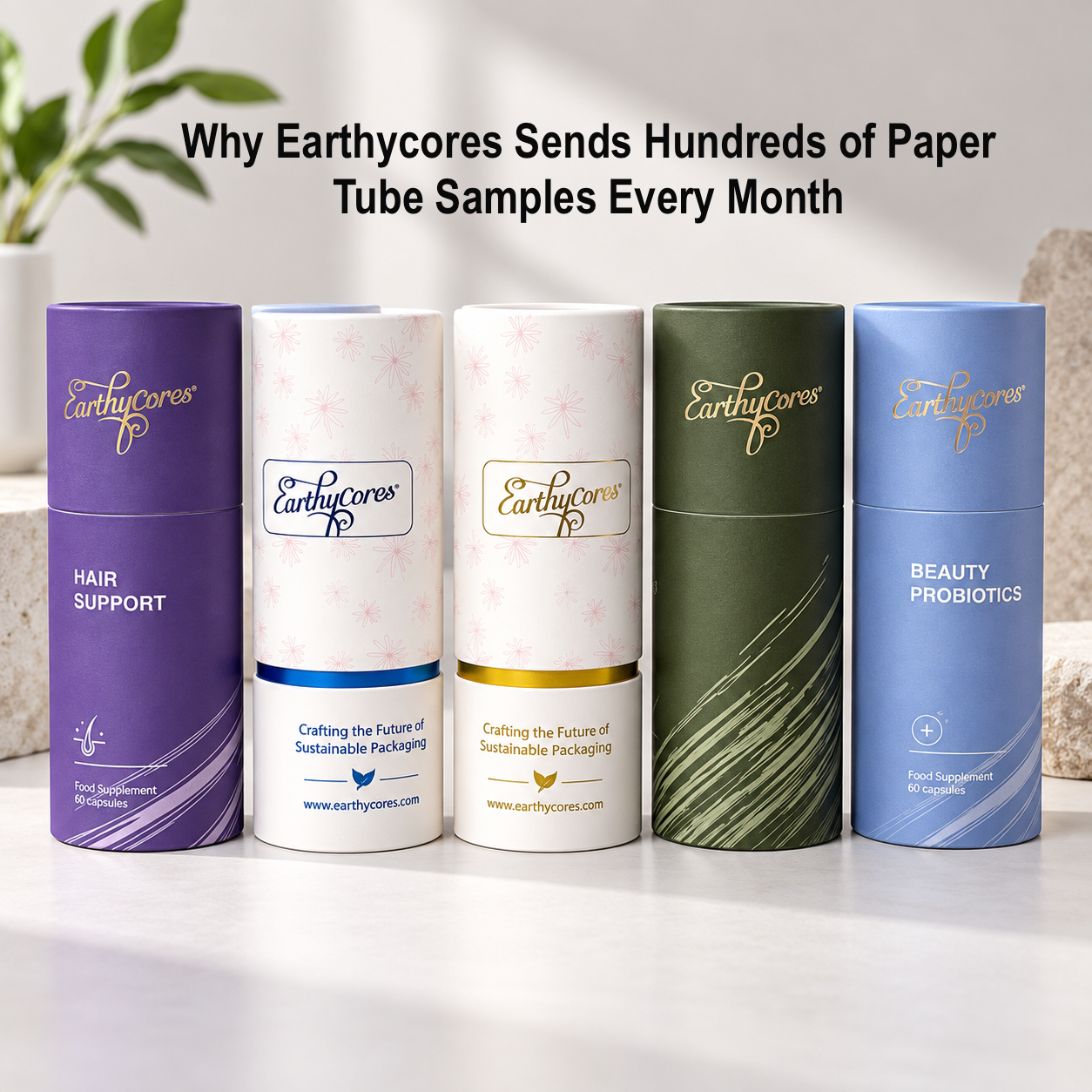
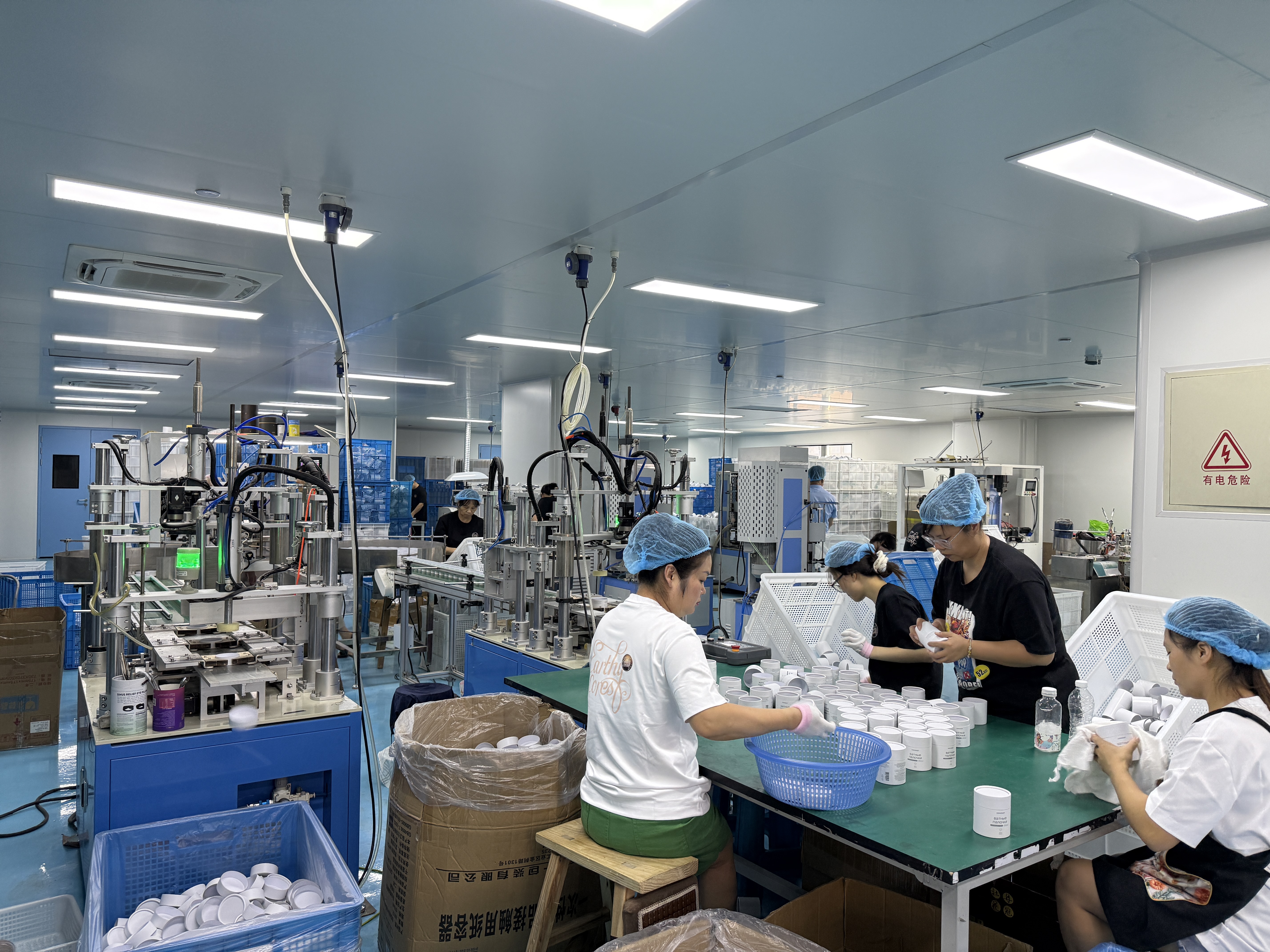
Looking for sustainable, stylish packaging? Earthycores offers eco-friendly paper tubes for all types of products. Plastic-free, reusable, and fully customizable, our tubes make your brand look premium while reducing waste.
| Product | Image | Description |
|---|---|---|
| Lip Balm Tubes for Packaging | 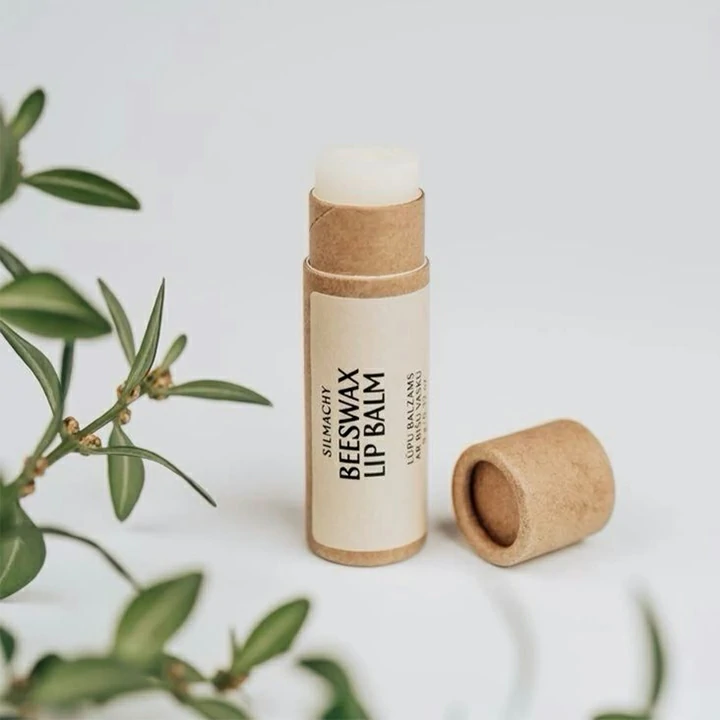 | Eco-friendly tubes that protect lip balm and reduce plastic waste. View Product → |
| Bath Bomb Packaging Tubes | 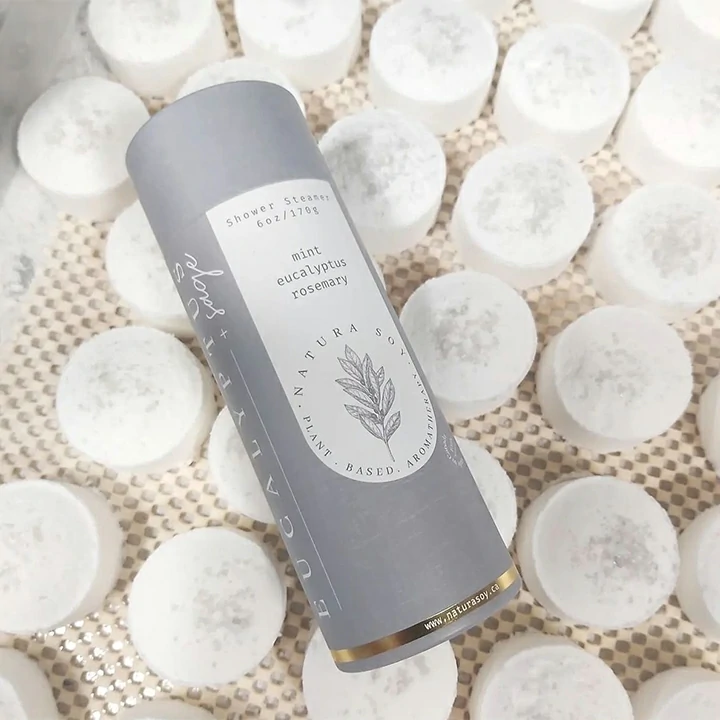 | Keep bath tablets fresh while using sustainable paper tubes. View Product → |
| Coffee and Tea Paper Tubes |  | Reusable and recyclable tubes that preserve freshness. View Product → |
| Paper Tube Packaging for Spices | 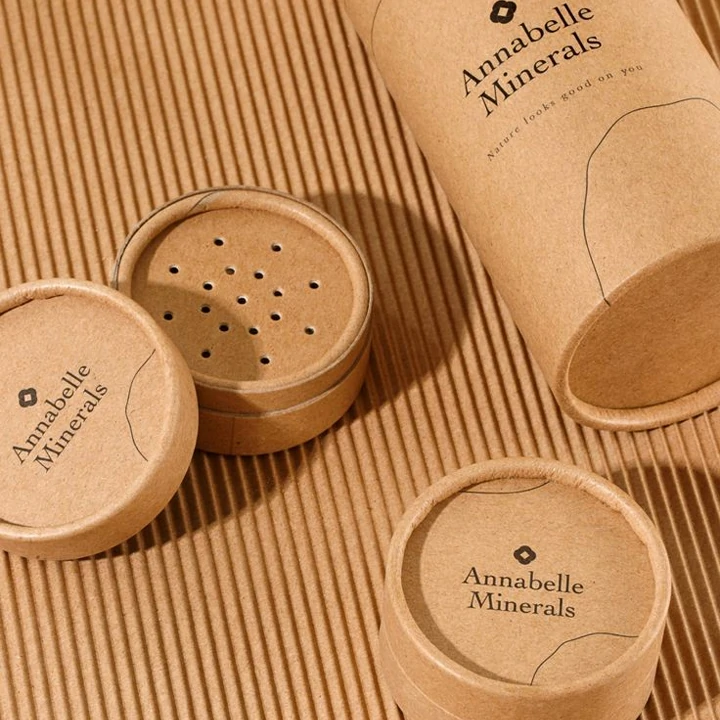 | Keep spices fresh in convenient, sustainable tubes. View Product → |
| Paper Made Candle Tubes |  | Safe, stylish tubes for candles with a minimal carbon footprint. View Product → |
| Custom Perfume Packaging Tubes | 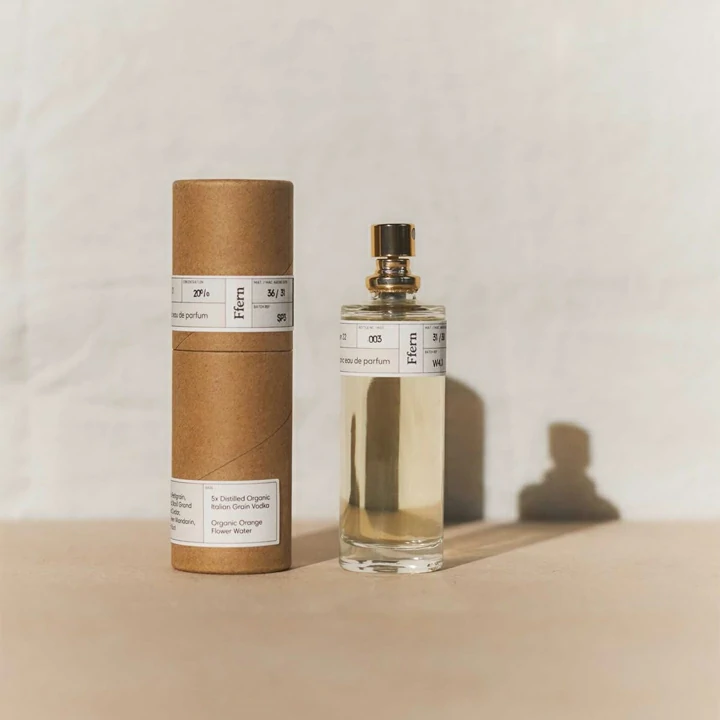 | Luxury paper tubes to elevate your perfume brand sustainably. View Product → |
| Luxury Product Packaging Tubes | 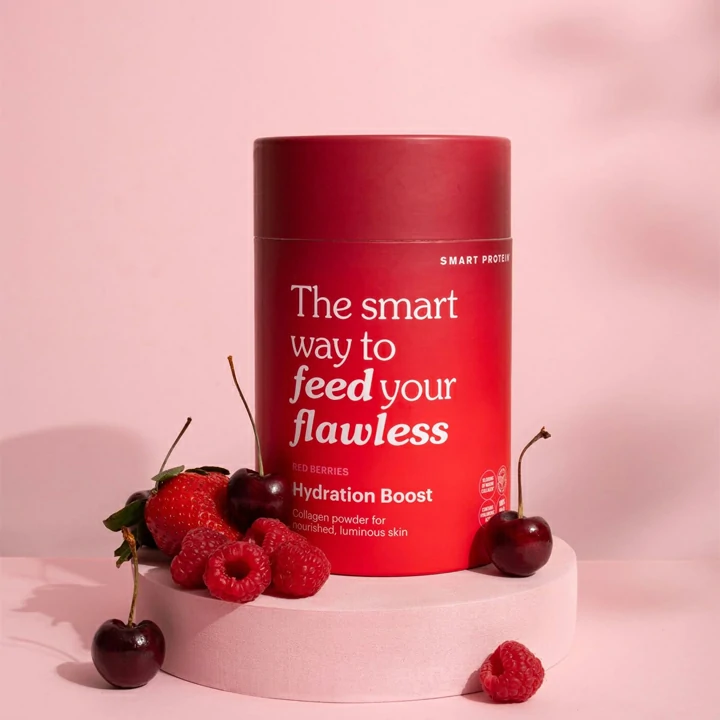 | High-end eco-friendly packaging for premium products. View Product → |
| Style | Image | Description |
|---|---|---|
| Round Cardboard Tubes | 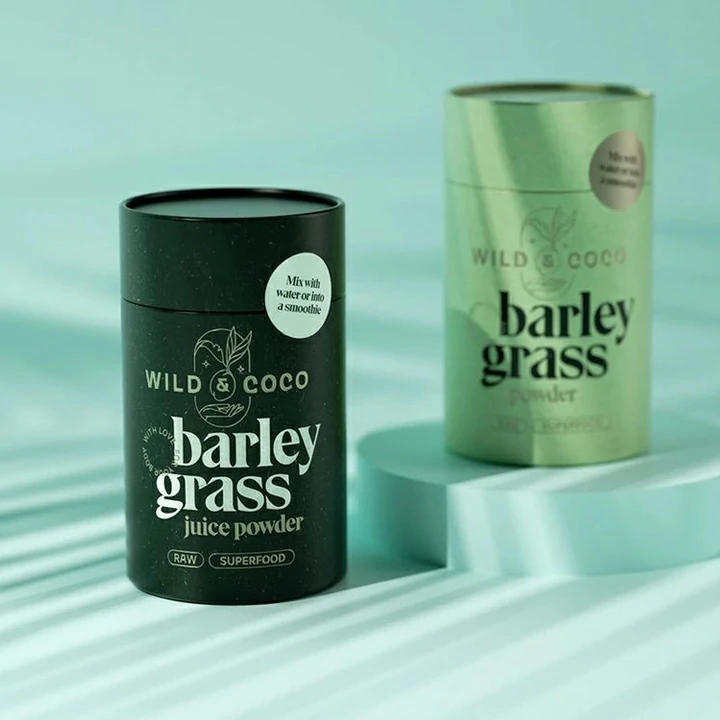 | Classic shape suitable for most products. View Product → |
| Oval Square Paper Tubes | 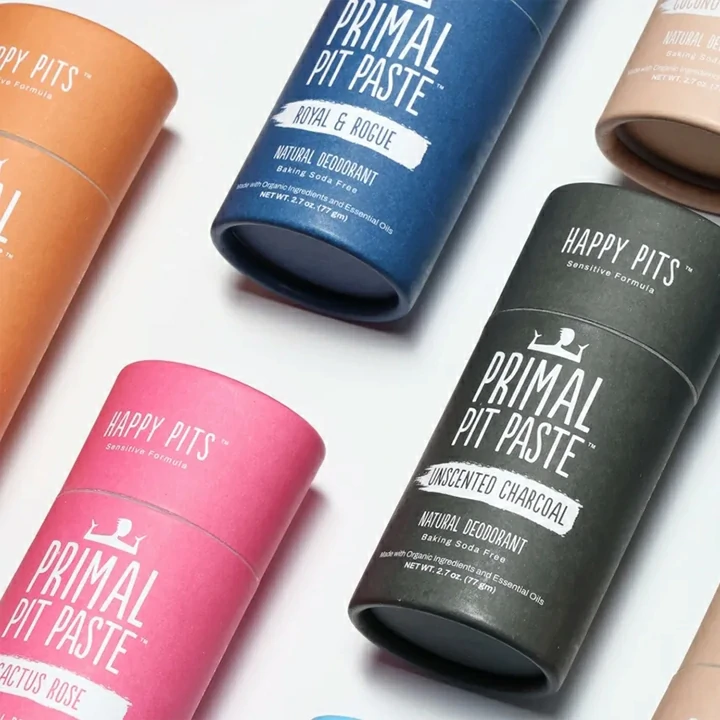 | Unique shapes to make your packaging stand out. View Product → |
| Custom Cardboard Tubes With Lids | 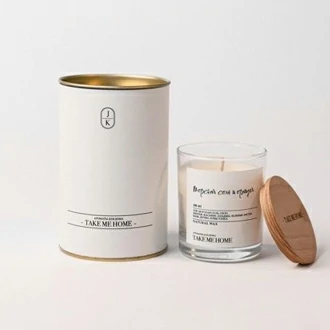 | Reusable lids for convenient, sustainable packaging. View Product → |
| Embossed Surface Tubes | 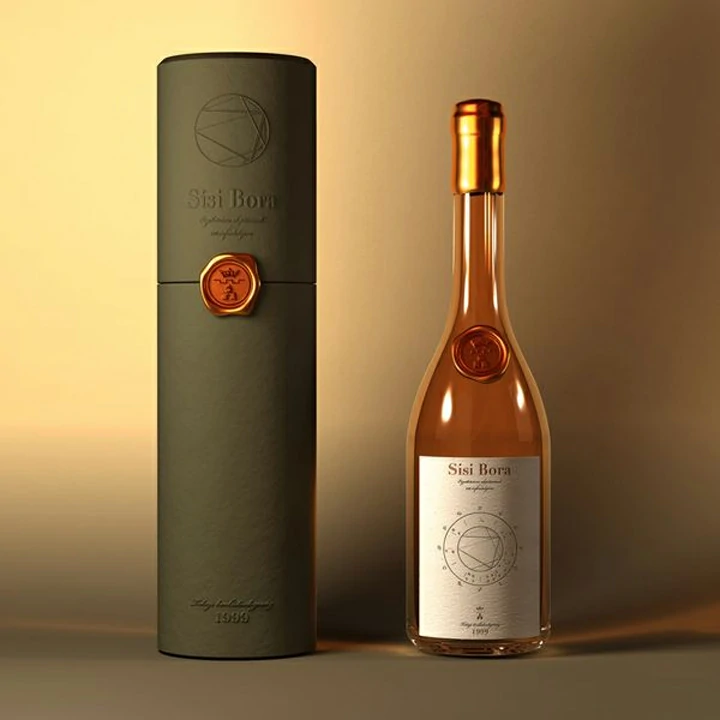 | Add texture and style while staying eco-conscious. View Product → |
| Kraft Paper Tubes | 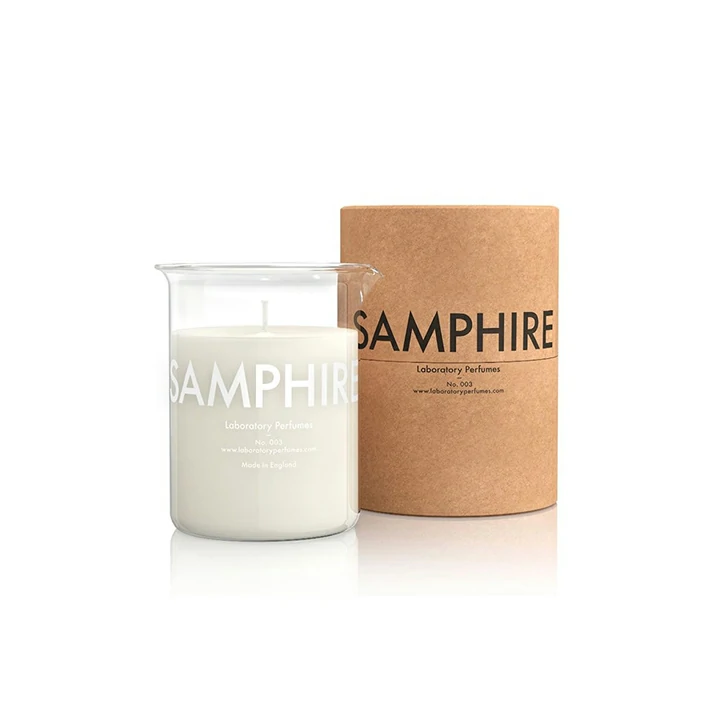 | Rustic look using natural kraft paper for eco-friendly appeal. View Product → |
| Paper Canisters and Plastic-Free Tubes | 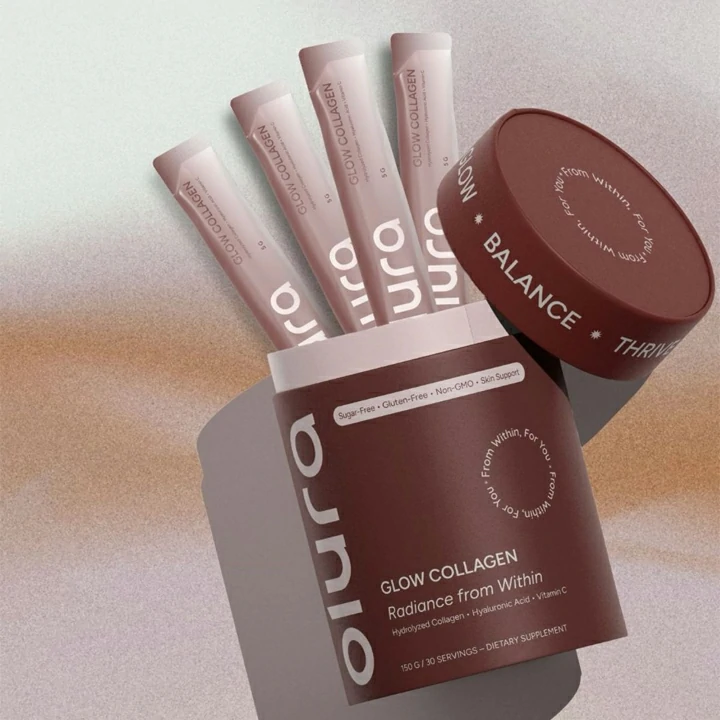 | 100% recyclable and completely plastic-free. View Product → |
| Child Resistant Tubes |  | Safe packaging for sensitive products. View Product → |
| Industry | Image | Description |
|---|---|---|
| Coffee and Tea Paper Tubes |  | Ideal for coffee shops and tea brands looking for eco-friendly packaging. View Product → |
| Chocolate and Candy Packaging Tubes |  | Sweet treats packaged sustainably. View Product → |
| Food Packaging Tubes | 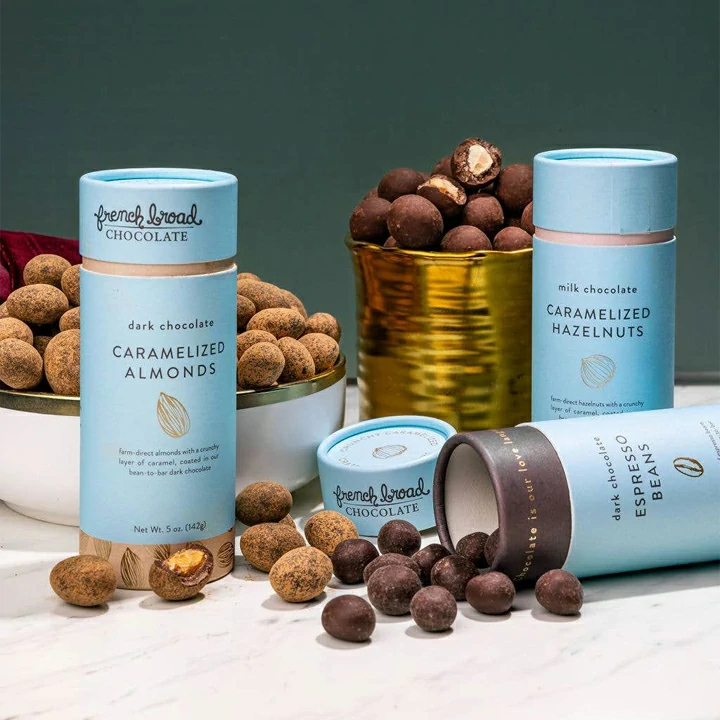 | Perfect for dry snacks and small food items. View Product → |
| Pet Food and Treat Packaging Tubes | 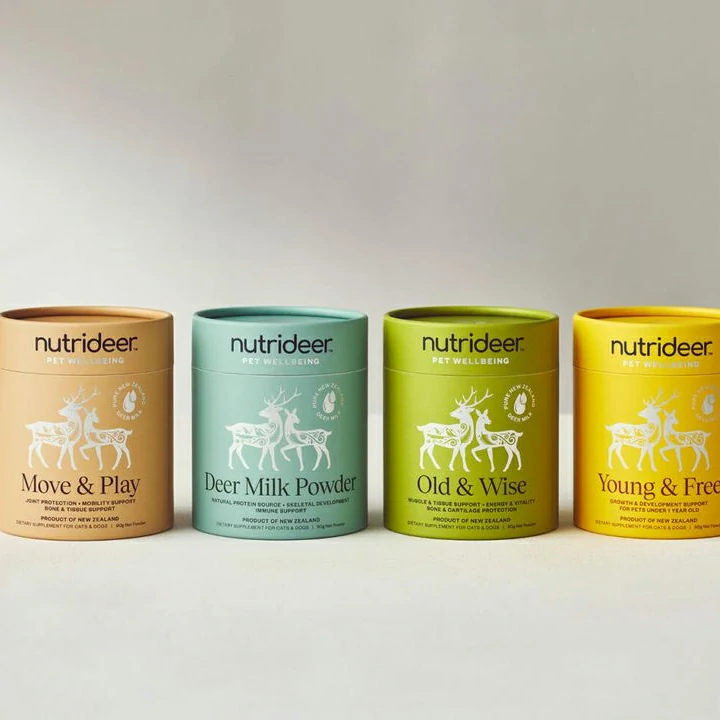 | Eco-friendly packaging for pet foods and treats. View Product → |
| Cosmetic Tube Packaging |  | Skincare, wellness, and beauty products in sustainable tubes. View Product → |
| Soap and Detergent Tubes | 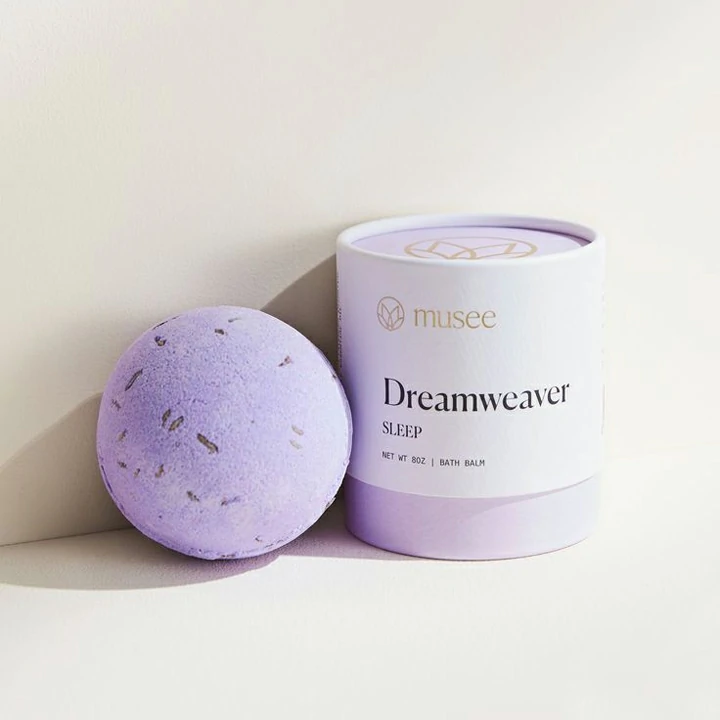 | Plastic-free secondary packaging for soap and detergents. View Product → |
| Spice Packaging Tubes | | Keep spices fresh and easy to use with eco-friendly tubes. View Product → |
| Supplement and Luxury Tube Packaging | 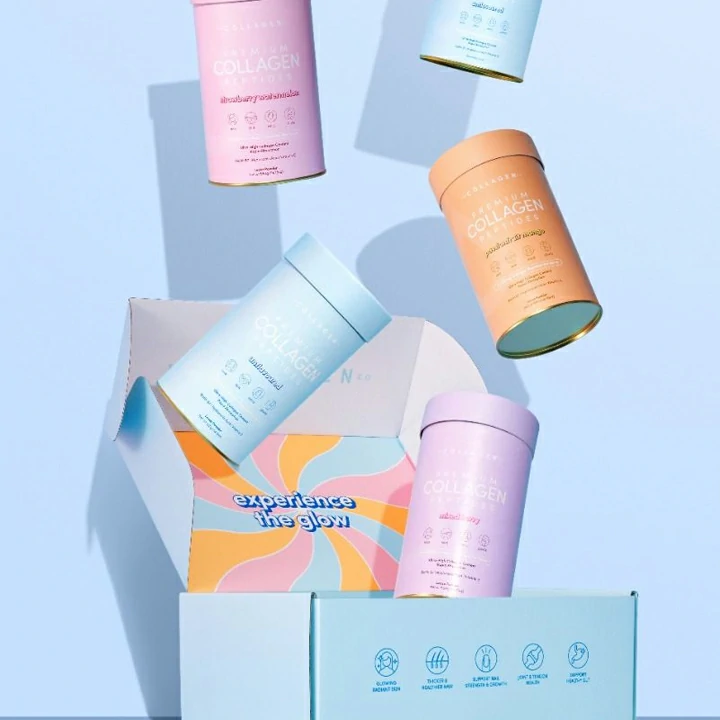 | Premium packaging for luxury and supplement products. View Product → |
Earthycores paper tubes are FSC-certified, 100% recyclable, and plastic-free. Each tube helps remove ocean-bound plastic, reduces carbon footprint, and supports sustainable packaging practices. Using soy-based inks and biodegradable plastics when necessary ensures products stay safe while protecting the environment.
Get started with a custom paper tube design today and make your packaging both stylish and eco-friendly.
One of the biggest misconceptions in sustainable packaging is that paper tubes are all the same. They are not. The format, finish, lid mechanism, wall construction, and surface treatment each serve a specific product need. Understanding the differences helps you pick the right tube the first time, avoiding costly sampling rounds and production delays.
These are the premium tier of paper tube packaging. The wall thickness typically runs from 3 mm to 6 mm, built from multiple wound layers of greyboard or kraft core, giving the tube a weight-in-hand that rivals rigid boxes. The outer wrap is usually a laminated art paper or textured specialty stock, printed using soy-based inks that carry deep, saturated colour without the VOC emissions of petroleum inks.
Finishing options on luxury tubes include hot foil stamping (gold, silver, holographic), spot UV varnish on specific graphic elements, and full embossing or debossing of logos. The lid is most commonly a friction-fit cap with an interior retention ring, giving a satisfying "pop" when opened. This is the format chosen by perfumers, jewellery brands, and high-end cosmetics. If your brand story is rooted in craft and quality, a luxury packaging tube signals that without a single word of copy.
A 3-piece tube is exactly what the name suggests: a body, a top cap, and a bottom cap. The base cap is usually glued or pressed permanently into the tube body during manufacturing, while the top cap is the removable lid the end consumer uses. This construction creates a sealed chamber that offers measurably better protection against moisture ingress and product shifting during transit compared to open-ended tubes.
The body itself can be produced in either a spiral-wound or convolute (straight-wound) method. Spiral winding is more common for smaller diameters and gives good strength-to-weight performance. Convolute winding is used for larger, shorter tubes where the material needs to run perfectly parallel. For candles, for example, the straight-wound body prevents any diagonal seam from telegraphing through a thin outer wrap.
Not all lids are equal, and the choice of lid mechanism directly affects unboxing experience, reusability, and resealability. The main lid types in paper tube packaging are:
Friction Fit (Plug Cap): The most common. A separate-wound inner sleeve sits just inside the tube opening. The cap presses down over this sleeve and holds by friction. Retention force can be tuned at the manufacturing stage by adjusting the inner sleeve diameter tolerance to within 0.2 mm. This is the standard for tea, coffee, and cosmetic tubes.
Telescope Lid: A taller cap that slides over the outside of the tube body, overlapping by 15 mm to 40 mm. This gives more coverage and a very clean visual profile from the side. Frequently chosen for premium confectionery and gift packaging.
Hinged or Magnetic Closure: Less common but growing in bespoke gifting. A paper-laminated rigid board hinge connects the cap to the body, eliminating the risk of losing the lid. Magnetic versions embed a small neodymium magnet disc behind the inner board layer on both the cap and body. Entirely encased in paper, still recyclable at most facilities. Explore the full range of cardboard tubes with lids to see which closure suits your product.
Matte lamination has become the dominant finish choice for brands in the wellness, botanical, and clean beauty space. The surface absorbs light rather than reflecting it, giving printed colour a depth and softness that gloss simply cannot replicate. A deep forest green printed under matte laminate looks like fabric. The same colour under gloss looks like plastic, which is precisely what these brands are moving away from.
From a technical standpoint, matte laminates also improve scuff resistance compared to unvarnished paper, important for products that will sit on retail shelves and be handled repeatedly. The laminate film used in our tubes is a water-based matte OPP (oriented polypropylene) applied at 12 microns, thin enough to remain recyclable with the paper tube body in most paper-stream programmes.
This is one of the most technically demanding formats in paper tube manufacturing, and one where the gap between a good supplier and a poor one becomes obvious fast. Bath fizz tablets, effervescent wellness tablets, and solid shampoo bars all release moisture or are used in humid bathroom environments. A standard paper tube will soften, warp, and delaminate within weeks under these conditions.
Moisture-resistant tubes address this through a combination of approaches. First, the inner liner is switched from a plain kraft paper to a PE-coated food-grade liner or, for a fully plastic-free solution, a clay-coated barrier paper. Clay-coated barrier paper uses a mineral layer to block vapour transmission without any synthetic film. It achieves a MVTR (moisture vapour transmission rate) of under 10 g/m² per day, which is sufficient for most solid bath formats.
Second, the body plies are bonded with a moisture-resistant starch adhesive rather than standard PVA, and the outer wrap is laminated before printing. The end caps are sealed with a wax-emulsion adhesive on the contact edge. The result is a tube that holds its structural integrity through humidity cycling. These are the bath tablet tubes we recommend for effervescent and solid bath formats.
Kraft tubes have the outer wrap printed directly on an unbleached kraft paper, giving that warm, tactile, earthy aesthetic that resonates strongly with natural food, herbal supplement, and zero-waste personal care consumers. The key quality indicator here is the paper weight: outer kraft wraps below 100 gsm will show print dot gain and can look fuzzy, especially in fine serif typefaces. We spec 120 gsm minimum on all our kraft outer wraps.
Printing on kraft requires a higher ink opacity setting because the brown background absorbs light differently than white art paper. Soy-based inks, which are what we use across our range, handle this well because the soy carrier allows for a slightly higher pigment load without cracking during tube forming. The result is rich, warm colour on an honest material. Browse the kraft natural look tube range to see how different pantone tones perform on unbleached stock.
This is where paper tube packaging genuinely separates itself from almost every other packaging format on the market. A fully plastic-free tube contains zero synthetic polymers anywhere in its construction: no PE-coated liners, no OPP laminate films, no plastic retention rings inside the caps, no synthetic adhesives.
Every component is paper-based. The inner liner is a grease-resistant food-grade kraft. The adhesive across all plies is a starch-and-dextrin system. The outer wrap is finished with a water-based cellulose lacquer rather than a plastic film. The cap components are formed from thick wound greyboard with no polymer additions. The result is a tube that can go directly into the paper recycling stream or even home compost, depending on the specific print chemistry.
This construction does come with design considerations: gloss surface effects are not achievable without at least a cellulose-based varnish, and moisture resistance is lower than a laminated tube. But for brands that have made a firm public commitment to plastic elimination, these plastic-free paper tubes are the only format that can fully support that claim.
Embossing creates a three-dimensional relief in the outer wrap of the tube, raising specific graphic elements above the surface plane. This is done before the wrap is applied to the tube body, using a male-female die set pressed under heat and controlled pressure. The depth of the emboss is typically 0.3 mm to 0.8 mm, anything deeper risks cracking the paper fibre at the edge of the design.
When combined with spot colour or a matte laminate base, embossing creates a multi-sensory experience that is both seen and felt. This is particularly effective for brand marks and logos where the tactile memory reinforces brand recognition every time the consumer picks up the product. These embossed surface tubes work especially well for perfumery, premium skincare, and gift-market confectionery.
Round tubes are the standard because the spiral or convolute winding process naturally produces a cylinder. Oval and square forms require a secondary reshaping step: the wound tube is passed through a calibrated form die under controlled pressure while the adhesive is still in its setting window, typically within 40 to 90 seconds of winding. This is a narrower manufacturing window and requires more experienced line operators.
The payoff is a format that is distinctly different on shelf and often more space-efficient in both transit cartons and retail display. Square and rectangular tubes pack together without the dead air space that round tubes create, reducing your logistics volume by up to 20% in some configurations. Oval and square tube formats are increasingly popular in lip balm, deodorant, and facial serum categories where shelf footprint matters.
Every industry has different structural, regulatory, and consumer-experience requirements. Here is a detailed breakdown of how paper tube packaging performs across the major markets, and which specific format makes the most sense in each.
Coffee and tea brands were among the earliest adopters of paper tube packaging, and for good reason. A tube creates an immediate premium signal in a category that is saturated with flat pouches and tins. For ground coffee and loose-leaf tea, the key technical requirement is a food-safe inner liner with at least basic barrier properties to slow the passage of oxygen and moisture. A 40 gsm PE-coated kraft liner is the industry standard; for brands committed to plastic-free, a clay-coated barrier paper achieves comparable vapour resistance for most shelf-life windows.
One often overlooked detail in coffee tube design is the degassing valve. Freshly roasted coffee emits CO2 for 5 to 14 days post-roast. Without ventilation, this pressure can distort the tube or force the cap off. Some brands resolve this by resting the coffee before packing; others spec a one-way degassing valve disc in the cap or base. We can accommodate both configurations.
For specialty and artisan tea brands, the kraft outer wrap with minimal print (a brand name, tasting notes, steeping time) gives a premium but unpretentious look that resonates with that consumer. Our coffee and tea tube range covers diameters from 60 mm to 130 mm to accommodate everything from single-serve portions to 250 g bulk formats.
The pet food market is undergoing a premiumisation wave that closely mirrors what happened in human health food a decade ago. Pet owners are reading ingredient labels, demanding natural formulations, and increasingly expecting the packaging to match the quality promise of the product inside. A kraft paper tube for freeze-dried treats or dental chews communicates "natural," "clean," and "considered" in a way that a plastic pouch simply does not.
For dry pet treat formats, the critical spec is grease resistance. Many treat recipes contain fats that will migrate through uncoated paper over time, causing unsightly oil blotching on the tube exterior. The inner liner needs a minimum 30-second Cobb sizing test (a measure of how much water or fat a paper surface absorbs). We recommend a grease-resistant coated paper liner for any treat with a fat content above 8%.
The resealable friction-fit cap is particularly valued in this category because pet owners portion treats across multiple sessions. A tight-toleranced cap means the product stays fresh and does not spill in a bag or drawer. Our pet food and treat tube packaging is food-contact safe and suitable for AAFCO-labelled products.
From popcorn and granola to rice crackers, protein bites, and nut mixes, the snack category demands a food-safe, resealable, and visually standout format. Paper tubes deliver all three. The vertical format of a tube also gives a larger printable surface area per unit of shelf space than most flat-format pouches, which is a meaningful advantage for brands with strong visual identity programmes.
For snacks requiring moderate humidity control, a foil-free barrier structure is achievable using multi-ply construction: a body of 3 to 4 wound paper plies creates an effective tortuous path that slows moisture transmission significantly compared to a single-ply container. For products sensitive to oxygen (e.g. roasted nuts), a nitrogen-flush before sealing is compatible with tube formats, provided the cap tolerance is tight enough to maintain the modified atmosphere during distribution.
In the confectionery end of this category, tubes have become a strong gifting format for chocolate truffles, candy assortments, and gourmet popcorn. The chocolate and candy tube format in particular benefits from the structural rigidity that protects delicate product during shipping, reducing returns due to breakage. Explore the wider food and snacks tube range for sizing and barrier options.
Herbal brands carry a high burden of consumer trust. The packaging has to physically protect the product, but it also has to visually communicate that the brand shares the consumer's values around nature, purity, and environmental responsibility. A paper tube achieves both. Practically, it protects dry herbs, capsules, and powdered supplements from light exposure (paper is naturally opaque, unlike clear PET jars) and provides a stable, upright storage format.
For supplements that are classified as pharmaceutical-adjacent in certain markets, child-resistant closures are either required or strongly advisable. A child-resistant paper tube uses a push-and-turn cap mechanism, constructed entirely in paper and greyboard, that passes EN 13127 (European standard) and ASTM D3475 (US standard) testing without a single piece of plastic. Our child-resistant tube packaging has been tested and certified to meet these standards.
On the print side, herbal brands typically do well with earthy, botanical colour palettes on a natural kraft or cream base stock. Soy ink prints on these backgrounds with high colour accuracy, and the lack of optical brighteners in the paper gives a genuinely warm, natural appearance rather than an artificially "white" ground that undercuts the natural brand message.
Paper tube lip balm packaging has emerged as the definitive plastic-free format for solid cosmetics. The push-up mechanism sits inside a paper body, replacing the conventional plastic twist barrel. The challenge here is precision: the inner carriage must travel smoothly upward without side-play or sticking, and the base mechanism must not slip backward when the consumer applies pressure to the product.
Well-engineered lip balm tubes use a scored paper carriage with a ratchet system that advances in controlled increments and locks against rollback. The inner diameter tolerance on a 19 mm lip balm tube needs to be held to ±0.2 mm to ensure the carriage runs freely without play.
For the broader beauty and health segment, paper tubes work beautifully for foundation sticks, solid perfume, eyebrow pencil formats, and face cream pots with lids. Matte lamination is the dominant finish choice here, often paired with embossed brand logos and foil-accented typography. Our health and beauty tube range covers both round and oval formats to suit different formulation shapes and brand aesthetics.
Perfume tube packaging is one of the most technically demanding sectors because the outer box or tube must support the weight and fragility of a glass bottle, look luxurious on a retail shelf and a dressing table, and often also function as a gift box. Paper tubes in this category are almost always built to 4 mm to 6 mm wall thickness, with a rigid greyboard inner sleeve that cradles the bottle without any movement.
The outer finish on a fragrance tube typically involves multiple steps: matte or silk lamination base, registered spot UV on the graphic highlights, and hot foil on the brand name or cap ring. The inner lining on luxury fragrance tubes is often a velvet-effect flocked paper, which gives a jewel-box feel on opening. Our custom perfume packaging tubes are built to these standards with bespoke sizing to accommodate any bottle height and diameter.
Candle brands have a particularly interesting relationship with paper tube packaging because the tube can serve a dual function: transport packaging and the actual candle vessel. For this use case, the inner lining must be food-and-wax-contact safe (which food-grade kraft liners achieve), and the wall construction must be thick enough to provide thermal stability when the wax is poured at temperatures of 55°C to 75°C for most soy or coconut wax blends.
When a tube is used as both vessel and packaging, the label or outer wrap design is visible from the moment of purchase through the life of the candle, right down to the last burn. Minimalist kraft designs tend to work extremely well for this dual-use format.
Our paper candle tube range covers both the vessel-and-packaging format and the outer-box format.
Solid soap, laundry tabs, and dishwasher tablets represent one of the fastest-growing zero-waste product categories. Paper tubes for solid soap need two specific things: wet-strength paper on the inner liner, and a sufficiently wide opening diameter to allow easy access to the product.
The soap and detergent tube format is also well-suited to subscription-model businesses because the tube's cylindrical form handles repeat drop-shipping with minimal damage rates.
Spice brands deal with two very specific packaging challenges: most spices have strong aroma compounds that migrate through packaging materials, and fine powder products tend to compact and bridge in containers that are not tall enough relative to their diameter. Paper tubes address both issues well.
For spice tubes, we recommend a sifter or shaker insert in the cap: a paper-formed disc with calibrated perforation holes that allows controlled dispensing. Our spice and seasoning tube packaging includes this sifter-compatible cap system as a standard option.
Saying "it is made from paper" is a start, but it leaves out most of the story. The sustainability and performance of a paper tube is determined by the combination of paper grades, adhesives, print chemistry, and finishing techniques.
FSC (Forest Stewardship Council) certification is not simply a marketing badge. It is a chain-of-custody system that requires every operator in the supply chain, from the forest to the printer to the packaging manufacturer, to maintain documented traceability records and undergo third-party audits. When you buy an FSC-certified paper tube, you can trace the paper fibre back to a forest where harvesting rates do not exceed regeneration rates, where worker rights are protected, and where biodiversity impact is assessed and managed.
FSC Mixed Credit certification (FSC-C) covers paper sourced from a blend of certified and controlled sources. FSC 100% is the highest designation, meaning all fibre comes from certified forests. For brands that are making environmental claims on their packaging or in their marketing, the FSC 100% designation is the one that holds up under scrutiny and avoids greenwashing risk.
Conventional printing inks use petroleum distillates as the carrier fluid that suspends pigment and controls viscosity. Soy-based inks replace the petroleum carrier with oil pressed from soybeans, a annually renewable agricultural byproduct. The VOC content of soy ink is typically 2% to 5% compared to 25% to 40% in petroleum-based alternatives.
Beyond the VOC reduction, soy inks produce a slightly wider colour gamut in process printing (CMYK) because the soy carrier allows pigment particles to sit more uniformly on the paper surface. Soy-ink-printed paper is also significantly easier to de-ink during recycling, producing a higher-quality recovered paper pulp.
Most consumers never think about the adhesives inside a paper tube. The adhesive system is often what determines whether a "paper" tube is truly recyclable or not. Standard PVA (polyvinyl acetate) adhesives are a synthetic polymer emulsion. Starch-and-dextrin adhesive systems, derived from corn, tapioca, or potato starch, are fully biodegradable and produce no contamination in paper recycling streams.
For brands willing to pay a modest premium for a genuinely clean material profile, the starch adhesive system is the correct specification for a fully compostable or plastic-free claim.
When a brand approaches us for paper tube packaging, we walk through a structured specification process before any sampling begins.
Define your product's physical parameters
Net weight, fill volume, bulk density, and the shape of the product. These determine the tube's internal diameter and height. Leave at least 10 mm of headspace below the lid for friction-fit caps to seat properly.
Determine your barrier requirement
What are your product's moisture and oxygen sensitivity levels? What shelf life do you need to achieve? This drives the inner liner specification. Products with water activity (aw) above 0.6 need more aggressive barrier protection.
Establish your regulatory obligations
Is your product food-contact, cosmetic, supplement, or regulated pharmaceutical? Each category has specific material compliance requirements (FDA 21 CFR in the US, EU 10/2011 for food contact, etc.). Child-resistant closure requirements must be confirmed at this stage, not retrofitted later.
Map your end-of-life claim to a specific construction
There is a spectrum from "contains less plastic" to "fully plastic-free and home compostable." Each point corresponds to specific material choices. Do not make an end-of-life claim in your marketing before confirming with your supplier that the specific construction supports it.
Set your minimum order quantity against your design ambition
Custom tooling for embossing dies, offset printing plates, and special closure mechanisms carries a fixed setup cost. For orders of 5,000 units and above, full offset printing with finishing passes becomes cost-effective. A custom printed tube can be a faster, lower-risk entry point while you validate the format with your customers.
There is a persistent assumption in some corners of the packaging industry that sustainable equals inferior. That eco friendly paper tube packaging means weaker, less precise, less printable, and less capable than the plastic or metal alternatives it replaces. A decade of working in this material has shown us that this assumption is wrong.
A well-engineered paper tube is structurally stronger per gram than most injection-moulded plastic containers of comparable size. Its printable surface holds colour and detail at a level that rivals folding cartons. Its material origin is transparent, its end-of-life is manageable, and its tactile quality is something that no film pouch or plastic jar can replicate.
The brands that are winning in competitive categories right now are those that have made the packaging decision first, before the product launch, treating the tube as an active part of the brand experience rather than an afterthought cost line.
If you are at the stage of specifying packaging for a new product, or reconsidering the sustainability credentials of your existing range, start with a conversation about what the tube needs to do, and we can work backward from there to the right construction, the right finish, and the right format for your category.
Whether you are sourcing your first run of custom printed paper tubes, exploring a more refined format for an established product line, or building an entirely plastic-free packaging system across your range, the best starting point is always the same: get a sample, feel the material, hold the product inside it, and make the decision from a position of direct experience rather than a specification sheet alone.