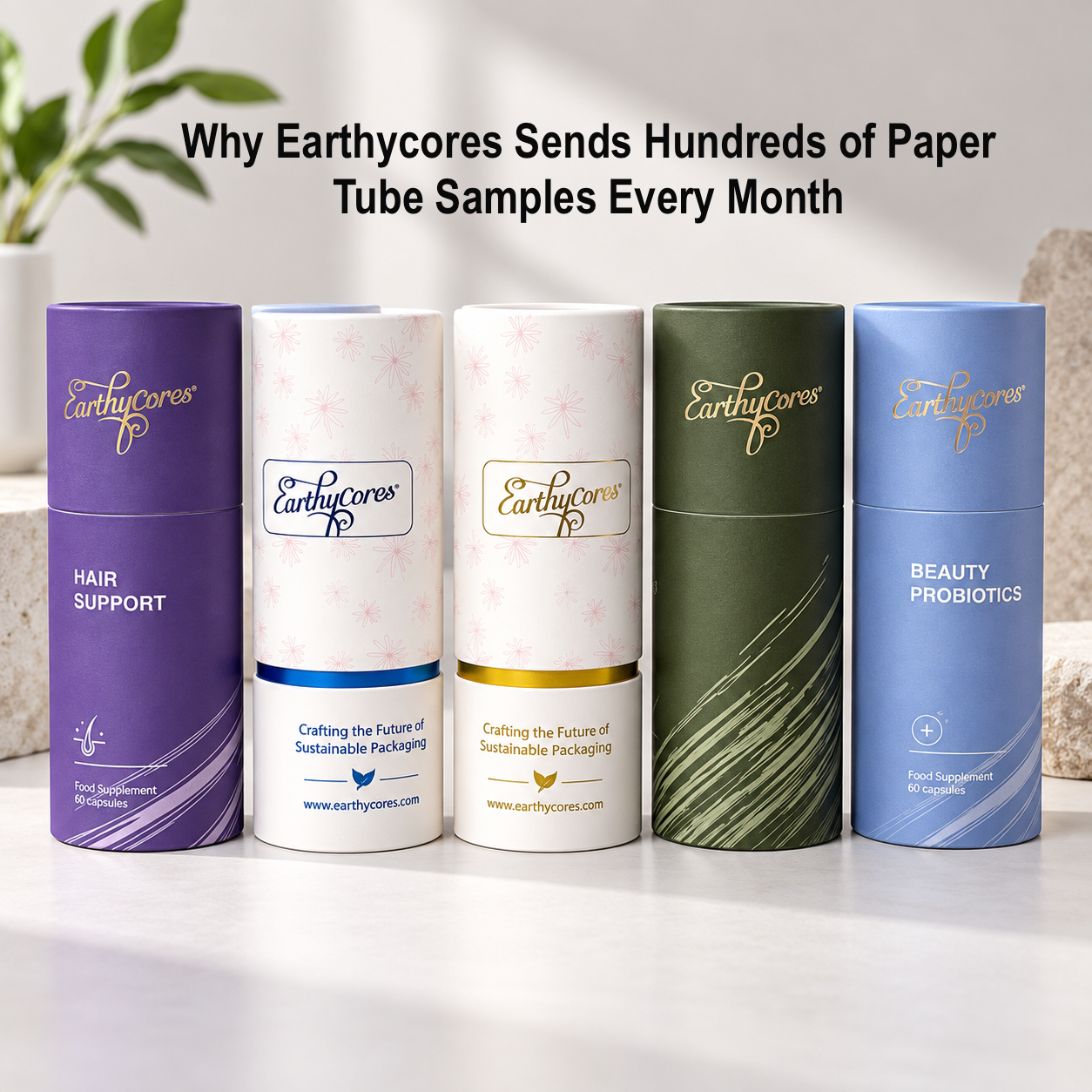
Packaging is the first thing a customer sees not the product itself. Any improvements to your product are useless if the packaging is unattractive and the customer doesn’t buy it. Brands always win when they do something unique and useful. There are many examples of brands that boosted their sales just by changing their packaging or materials.
Customers evaluate your product or rather, your product’s packaging within about two seconds to decide whether to try it. This highlights the power of packaging. Packaging builds trust and can attract customers more than the product itself. Poor packaging can cause a brand’s sales to decline, especially if it’s new and not widely recognized.
| Good Packaging | Bad Packaging |
|---|---|
| Clear branding | Confusing design |
| Easy-to-read fonts | Poor printing quality |
| Attractive product images | Weak or fragile materials |
| Informative labels | Too much text |
| Strong materials | No brand personality |
| Consistent brand identity |
Impact: Bad packaging lowers the perceived value of a product. Even if your product is excellent, poor design, low-quality materials, or cluttered visuals can make customers think it is cheap or unreliable.
| Eco-Friendly Packaging | Non-Eco Packaging |
|---|---|
| Recyclable, compostable, or biodegradable materials | Heavy plastic or non-recyclable materials |
| Lower environmental impact | Can create a negative brand perception |
| Attracts eco-conscious customers | Growing environmental concerns among consumers |
| Builds a positive brand image |
| Cheap Packaging | Value-for-Money Packaging |
|---|---|
| Lowest-cost materials | Balance between cost and quality |
| Poor durability | Protects the product well |
| Weak visual appeal | Attractive design |
| Can hurt brand image | Better customer experience |
Labels indicating that packaging is recyclable, compostable, or eco-friendly do more than comply with regulations they signal to consumers that your brand cares about the environment. Customers are increasingly smart and aware; seeing these logos builds trust and strengthens your brand image.
Country Archer didn’t change anything about their product same product, same price but revamped their packaging design and possibly some material aspects. The result? Within six months, their sales increased by +28%.
They simplified their logo, updated color combinations, and enlarged product images moves that made their packaging visually stronger and more memorable.
Visually, it should look very attractive, as it is said that a new brand or product has 2 seconds to attract a customer. The brand should be mentioned clearly, and logos should be simple so that people can memorize and recognize them. Materials should be sustainable, which builds positive trust with consumers. Product information should be clear and in simple words that people can easily understand. Don’t just copy or make similar packaging to most companies; make something unique like Earthycores designers are doing right now.
1. Can packaging upgrades boost sales?
Yes. Attractive packaging can grab attention and increase sales—even by over 25% in some cases.
2. What makes packaging good or bad?
Good packaging is clear, strong, and easy to read. Bad packaging is confusing, fragile, or messy.
3. Does eco-friendly packaging matter?
Absolutely. Eco-friendly packaging builds trust and attracts environmentally conscious customers.
4. Cheap packaging vs. value-for-money what’s better?
Value-for-money packaging wins. It protects the product and looks appealing without hurting your brand image.
5. What is high-performing packaging?
It’s visually appealing, clear, memorable, sustainable, and unique—something that stands out in 2 seconds.