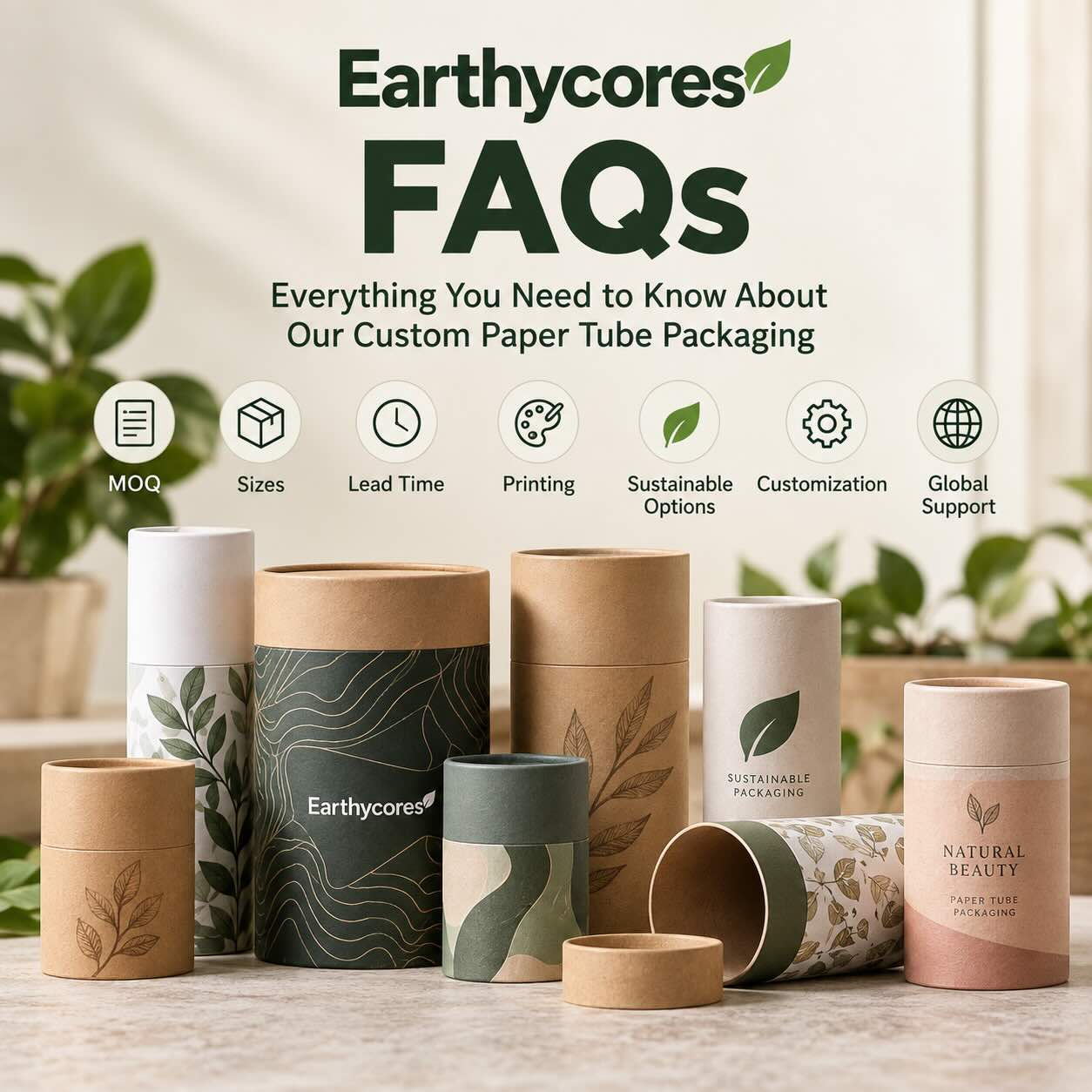
A custom paper tube is basically any paper tube made to fit the brand’s specific needs. It can be any size, thickness, or design depending on the product it will hold. Companies can print their logo, choose the paper type, and even decide how strong or flexible they want it.
Spiral-wound tubes are made by rolling paper layers at an angle, so they form a strong, round tube. They are usually used for shipping, posters, or heavy products because they can handle pressure well.
Convolute-wound tubes are made by stacking paper layers straight across the tube, like bricks. This makes the tube very stiff and perfect for products that need extra protection.
Linear-wound tubes are rolled in a straight line along the tube’s length. They are less common but are used when you need very precise wall thickness or smooth surfaces for printing.
In industry, paper tubes are made very precisely. Usually, the diameter can vary by a fraction of a millimeter, wall thickness is kept consistent, and length is measured carefully. This ensures the tube fits the product perfectly and works well in packaging machines.
Knowing these details shows brands that you understand the industry well. It helps them trust that you can provide the right tube for their product, without guesswork.
Load-bearing capacity is basically how much weight a paper tube can take without getting crushed. There are two ways it’s tested – radial compression, which is like squeezing from the sides, and axial load, which is like pressing from the top. Depending on what you’re putting inside, the tube needs to handle the pressure the right way.
What makes a tube strong is mostly three things – how many layers (plies) it has, the thickness of the paper (GSM), and how well the glue sticks the layers together. If any of these are weak, the tube can bend or collapse easily. So, brands who know this can pick tubes that will safely carry even heavy or delicate items without problems.
Paper tubes come in different wall thicknesses, usually from 1 mm to 6 mm or more. The thicker the wall, the better it can resist being squashed. For heavy products or fragile stuff, it’s always better to go with a thicker tube so it doesn’t get damaged.
Thickness also matters when it comes to shipping and drop tests. A thin tube might get dented or crushed if it falls, while a thicker tube keeps the product safe. That’s why brands think carefully about thickness – it saves money and headache because the product reaches the customer in perfect condition.
Paper tubes are made from different types of paper depending on what you need them for. Kraft paper is very common – it can be made from fresh virgin fiber if you want it strong, or recycled fiber if you want it more eco-friendly. White cardboard is used when the tube needs to look neat and clean, especially for printing logos. Some tubes even use laminated papers for extra strength or a fancier look.
The kind of paper you pick decides how strong the tube will be and how it feels when you hold it. Thick kraft or laminated paper is good for heavy or fragile products. For lighter things, recycled paper or white cardboard works fine. Picking the right paper makes sure the tube protects the product and looks good at the same time.
Glue is very important because it keeps all the paper layers stuck together. Most factories use water-based glue because it’s safe and doesn’t harm the environment. For food or cosmetics, the glue has to be food-grade, so nothing harmful touches the product.
The glue also has to be strong, otherwise the tube can come apart if there’s pressure or weight. Bond shear strength tells us how well the glue holds the layers under stress. Using the right glue keeps the tube solid, safe, and ready for shipping without worrying about it breaking.
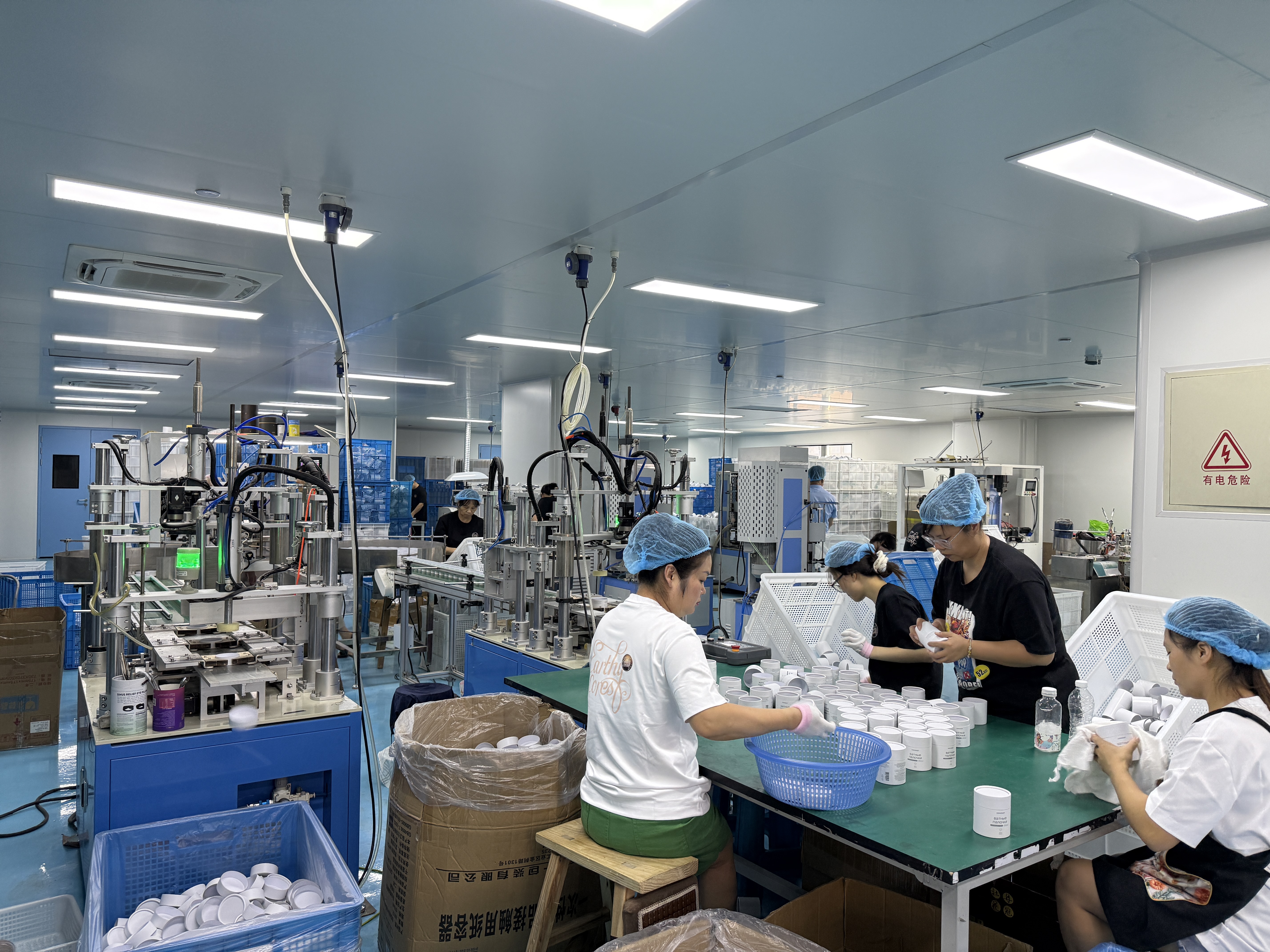
In the spiral winding process, the paper is rolled around a mandrel, which is basically the rod that gives the tube its shape. The angle at which the paper is wound affects how strong the tube will be – a steeper angle usually gives more strength. Glue is applied between the layers and then left to set properly so the tube stays solid and doesn’t come apart later.
After winding, the tubes are cut to the right size using either CNC machines or blades, depending on the precision needed. The edges are smoothed so the tube looks neat and is safe to handle. For food-grade tubes, dust control is important during cutting and finishing to make sure nothing contaminates the product.
When brands order paper tubes, the size matters a lot. You have to think about the inner diameter (ID) and outer diameter (OD) so the product fits perfectly. Length also has to be very accurate, otherwise the product might not sit properly inside the tube. Roundness and concentricity are checked too – if the tube isn’t perfectly round, it can wobble or look cheap.
Humidity can also play a role because paper can expand or shrink a little in damp weather. So manufacturers make sure the tubes stay stable even in different climates. These details are especially important for buyers who order in bulk – a small mistake in size can become a big headache when you’re sourcing thousands of tubes at a time.
Normal paper tubes cannot fully stop moisture or air, so sometimes they are not enough to keep the product safe. That is why many tubes have inner linings made of things like PE, PLA, or even a thin layer of aluminum foil.
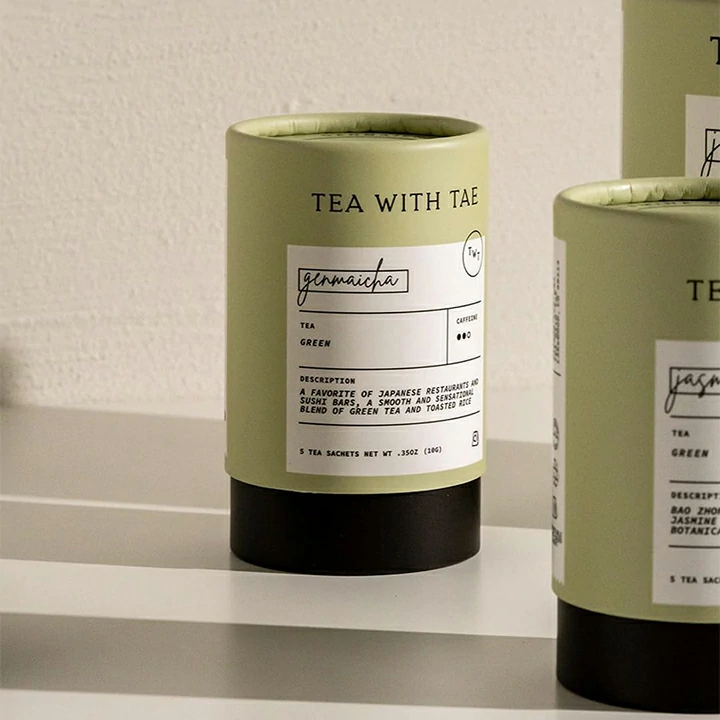
These linings keep snacks, powders, or other sensitive products fresh and safe during storage or delivery. For example, Coffee & Tea Tubes often use these liners to maintain flavor and aroma.
For food and cosmetic items, safety is the main thing. The liners and glue used must not mix with the product or change its smell or taste. They also stop oil or grease from leaking, so the product and the tube both stay perfect. This is why Lip Balm Tubes and other cosmetic tubes often have special linings for safety.
When it comes to paper tubes, the lid matters a lot. Some come with simple paper caps, some with metal tops, and some with plastic ones – it depends on what you are putting inside. Some lids just fit easily, you press and it stays (friction fit), others need a bit more push (press fit).
A good lid means the product does not get damaged or spill while travelling. Reusable lids are better – the customer can keep them, and they do not go to waste. Child-Resistant Tubes often use specialized closures for safety.
Printing on paper tubes is not that simple because the surface is round. Offset printing is okay when you make a lot at once, but it does not work well on curves. Digital printing is easier for small batches, you just print directly. Ink behaves differently on kraft paper and laminated tubes.
Lamination makes the tube look shiny and protects it, but it can make recycling a bit harder. They also test if the print scratches or rubs off easily so the tube looks good when it reaches the customer.
Paper tubes are tested in many ways to make sure they can handle real-life use. They do compression testing to see how much weight the tube can take without getting crushed. Drop tests check if the tube can survive rough handling during transport. Moisture tests make sure the paper does not weaken in damp conditions.
Factories also check every batch for consistency. Raw materials are inspected before production to avoid weak or faulty tubes. These steps help brands trust that the tubes will keep the products safe and reach the customers in perfect condition.
Minimum order quantity (MOQ) is needed because making paper tubes involves setup and tooling, which costs money. At EarthyCores, the MOQ is 1,000 pieces. Small runs are possible, but the cost per tube will be higher. Other cost factors include:
Custom diameters, which need special adjustments on machines
Specialty linings, which use extra material or handling
Lead time also affects cost. First comes tooling and setup, then sampling to make sure everything is fine, and finally mass production. Shorter lead times increase cost because the factory has to prioritise the order. Knowing MOQ, customizations, and lead time helps brands plan better and avoid surprises.
Paper tubes are used in different industries, so the design needs change depending on the product. Key things to check include:
Mechanical needs – how strong the tube should be for weight or impact
Barrier needs – keeping moisture, oxygen, or oils out
Different applications have different priorities. For example, food and beverage tubes need strong barriers, Coffee & Tea Tubes need to maintain freshness, cosmetic tubes like Lip Balm Tubes need safe liners, and industrial or promotional tubes need extra durability. Understanding these details helps brands pick the right tube for each product without wasting money or materials.
Many buyers make small mistakes while ordering paper tubes, and these can cause big problems later. Common issues include:
Underspecified wall thickness, which can make tubes bend or crush
Ignoring humidity, which can make tubes warp or not fit the product properly
Printing and lids are other areas where mistakes happen. Overprinting without proper surface treatment can cause smudging or fading, and choosing lids without tolerance checks can make them loose or too tight. Paying attention to these details positions you as someone who understands the problems and can guide brands properly, not just sell tubes.