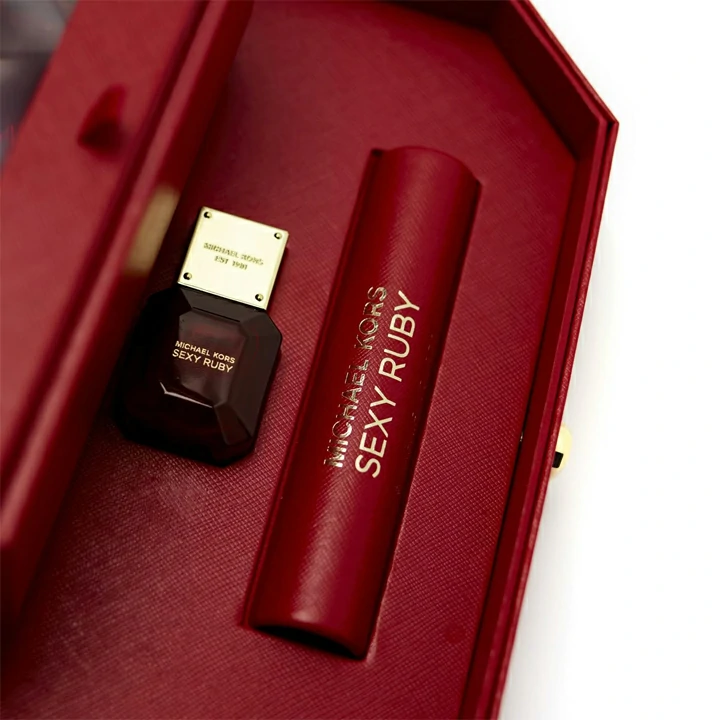
Earthycores manufactures custom paper tubes and paper canisters for brands across food, coffee and tea, supplements, cosmetics, confectionery, spices, and pet products. This page follows an actual paper tube through production, from material preparation and printing through tube forming, cutting, component manufacturing, assembly, and final inspection.
Tube construction is not universal. The paperboard structure, liner, lid, base, and finish used on a given project depend on the product being packaged, which is why the stages below describe a general sequence rather than one fixed specification applied to every order.
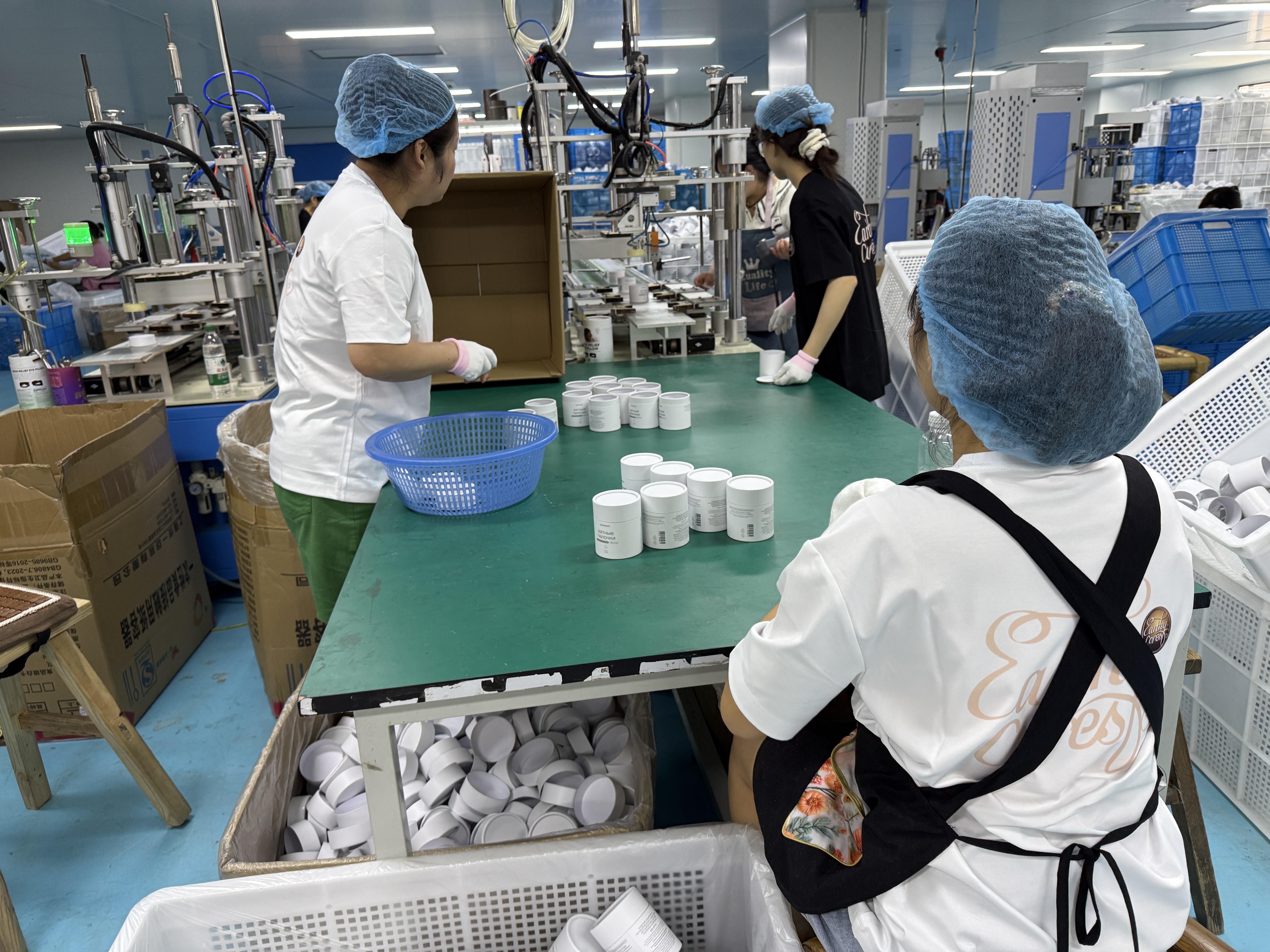
Earthycores specializes in custom rigid paper tube and paper canister packaging. Applications include food and snacks, coffee and tea, spices, supplements, beauty and personal care, confectionery, pet products, and other consumer goods, and not all of these products use an identical tube structure. A tube built for a dry snack behaves differently, structurally and materially, than one built for a fragrance oil or a supplement capsule.
Customization on any given project can involve diameter, height, paperboard structure, outer wrap, printing, surface finish, inner liner, base design, and lid construction. Each of these variables gets decided based on the product going inside the tube, not applied as a default across every order.
Earthycores' broader range of custom paper tube packaging includes applications across food, beverage, beauty, supplements, and other consumer categories.
Custom paper-tube manufacturing is a sequence of connected stages rather than one single process. Each stage depends on decisions made earlier in the project, and the specific papers, coatings, liners, or closures used on one order may differ considerably from another, even when both are described generally as "paper tubes."
The sequence below reflects the general order these stages typically occur in. Individual projects may require additional steps, or skip steps that don't apply to a particular construction.
Surface preparation
Printing
Print inspection
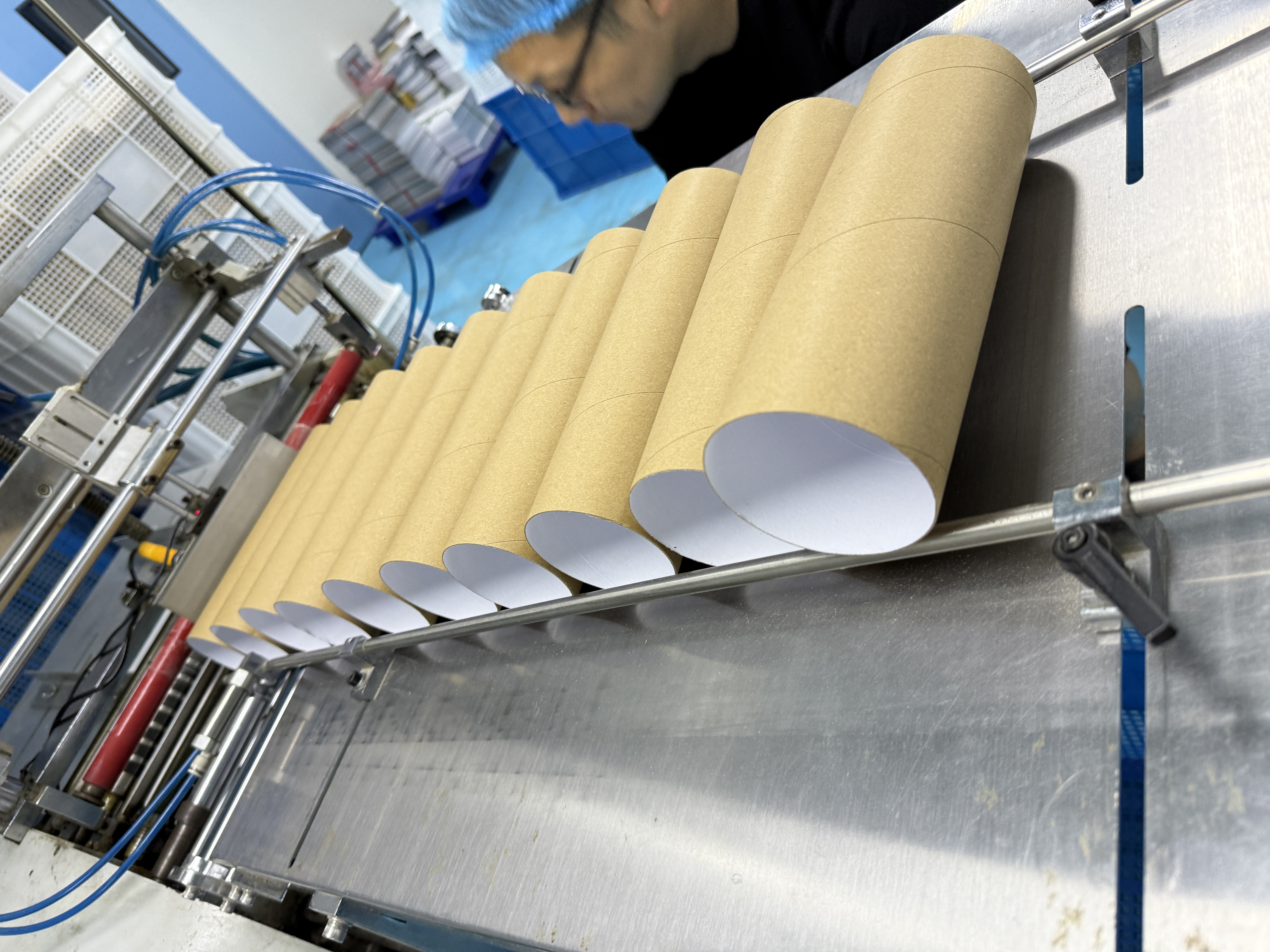
Tube-body forming
Cutting
Edge finishing
Head / cap component production
Component inspection
Assembly
Final quality inspection
Finished stock / packing
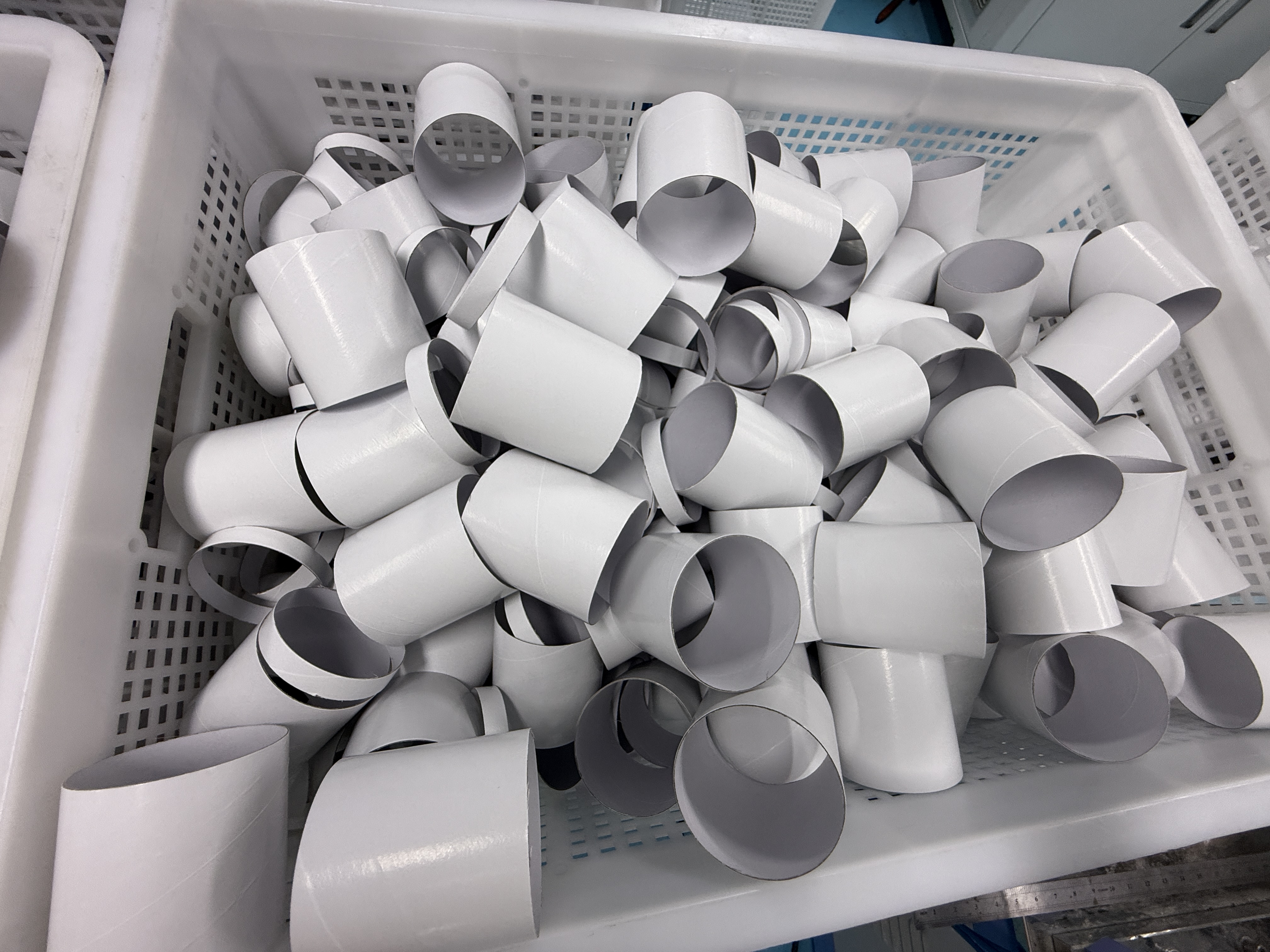
Before printing begins, the outer paper stock is prepared to help the printed surface perform the way it's supposed to. This preparation matters for ink adhesion, print uniformity, and how the finished surface feels and looks once the print has cured. A surface that isn't properly prepared can result in ink that sits unevenly, dries inconsistently, or doesn't hold up well to handling later in the process.
Not every Earthycores tube receives an identical coating or preparation treatment. The surface treatment used on a given project depends on the paper stock selected, the printing process being used, and the finish the customer has requested, whether that's a matte, gloss, or textured final surface.
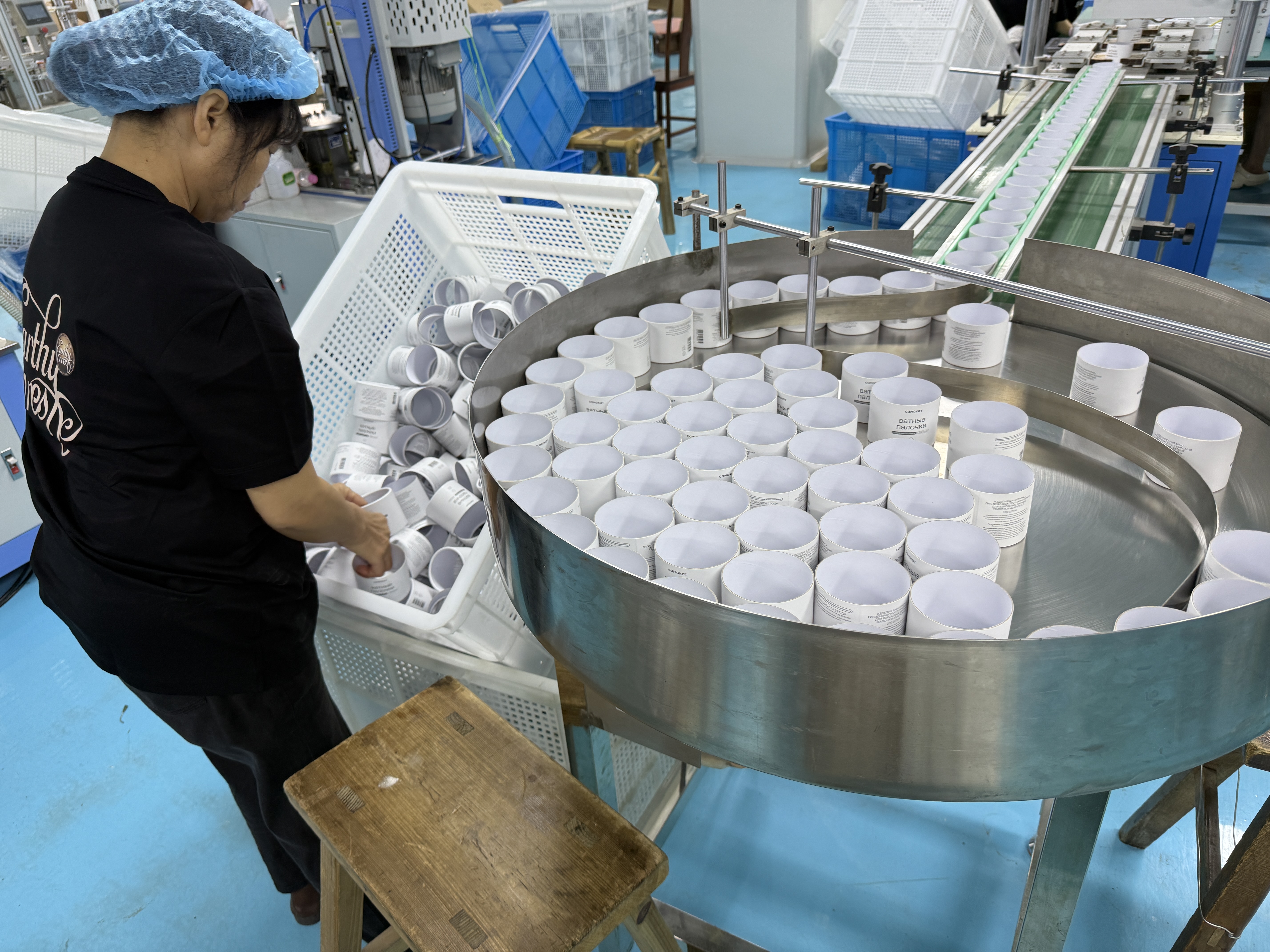
The printed outer wrap carries a tube's branding along with any required product or regulatory information. Print quality involves considerably more than whether the artwork looks visually appealing. Registration, meaning how accurately printed layers and elements align with one another, artwork positioning on the finished tube, color consistency across a production run, text clarity, and the absence of surface defects all factor into whether a print run meets the approved design.
| Inspection area | Why it matters |
|---|---|
| Artwork positioning | Ensures the design sits correctly on the finished tube |
| Registration | Keeps printed elements properly aligned |
| Color consistency | Helps production stay consistent with approved artwork |
| Text and graphics | Checks readability and visible defects |
| Surface condition | Identifies scratches, marks, or print imperfections |
The rigid cylindrical body of a paper tube is built from paperboard layers bonded together to create structural strength. Not every tube uses the same fixed number of paperboard plies. Wall construction changes according to tube diameter, tube height, the weight of the product going inside, the filling method used, expected shipping conditions, and the rigidity the application requires.
This is a conceptual paper-tube structure. Actual construction varies by application and project specification.
For food and snack paper tubes, the required inner structure can depend on grease, moisture, aroma, shelf-life requirements, and whether the food directly contacts the package.
Once a tube body is formed, it's cut to the finished height required for the project. Height consistency across a production run matters for component fitting, visual consistency between units, how well a lid or base assembles onto the body, and the overall presentation of the finished tube.
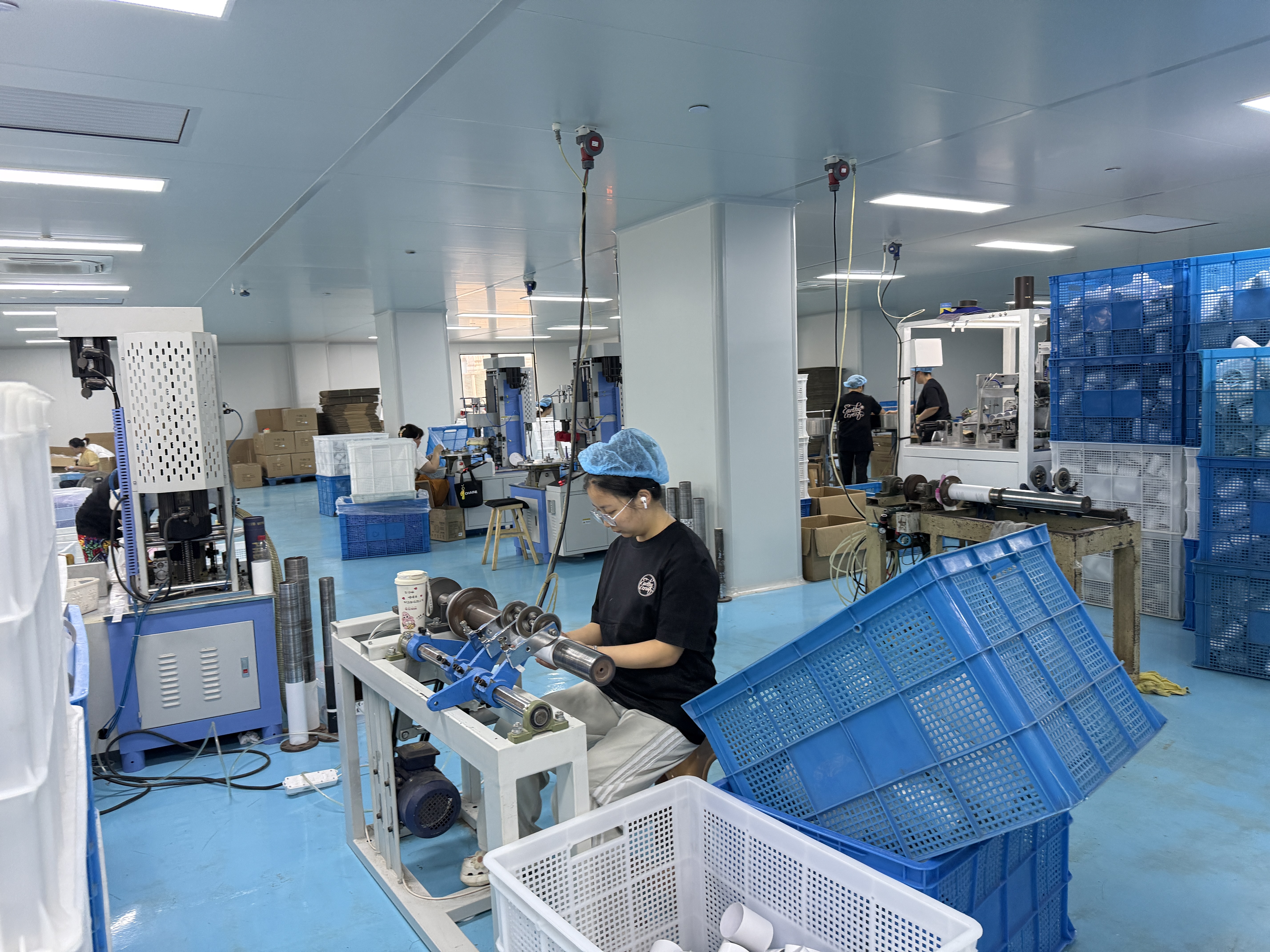
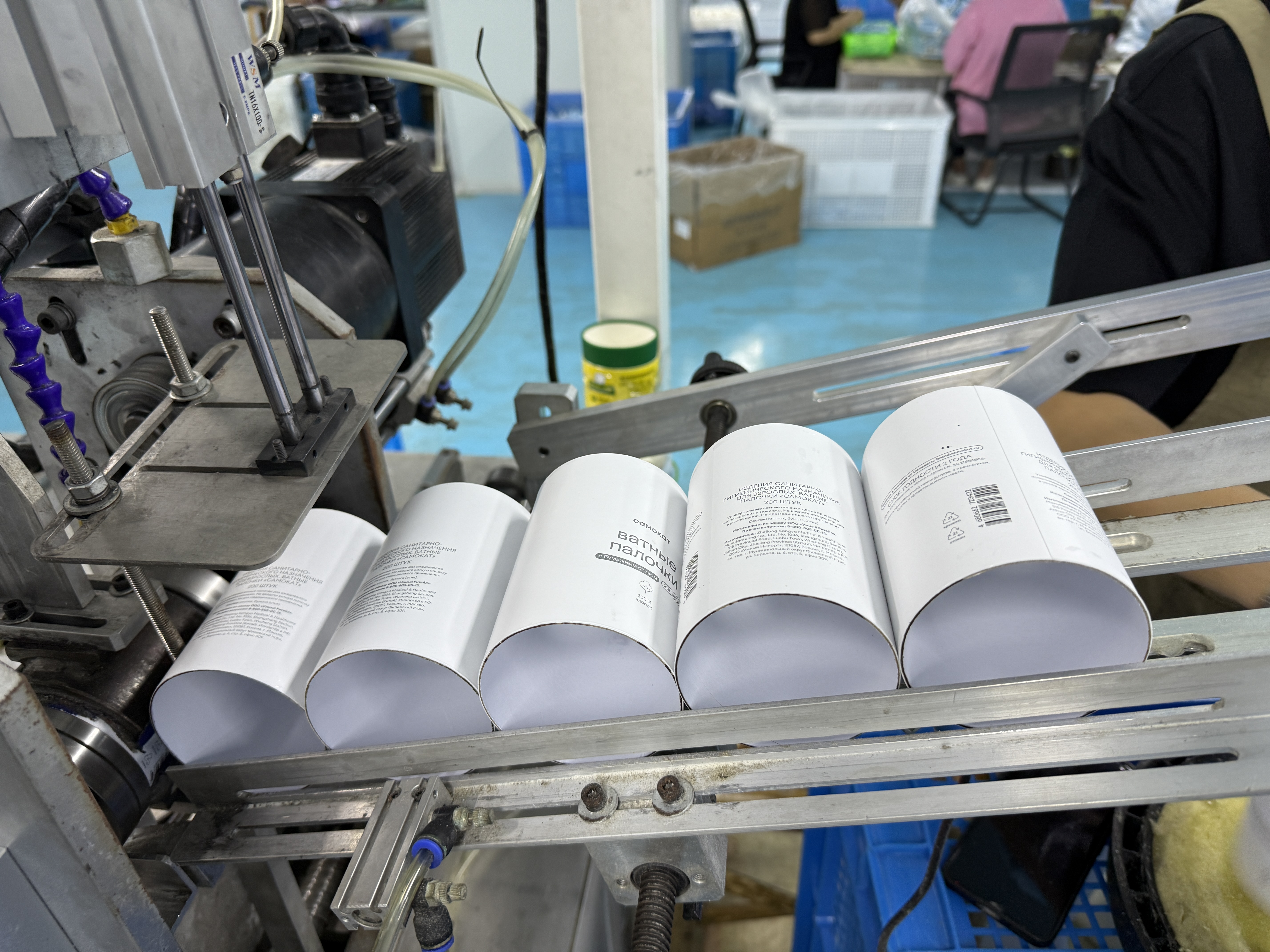
A freshly cut edge may need additional finishing before the tube is ready for later assembly and handling. This step affects appearance, how cleanly a lid or base fits onto the cut edge, and reduces rough paper edges that could otherwise catch, fray, or feel unfinished to the touch.
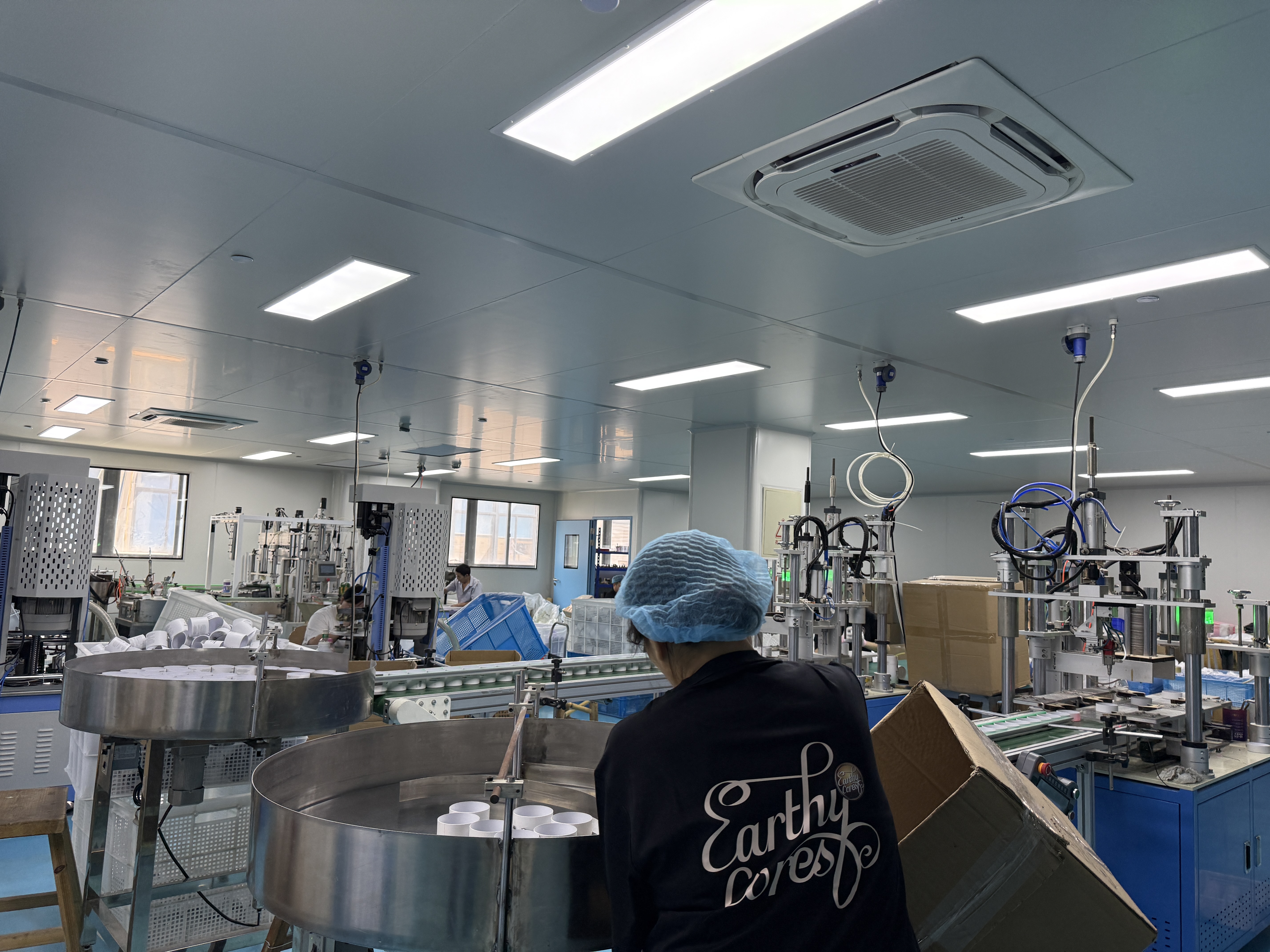
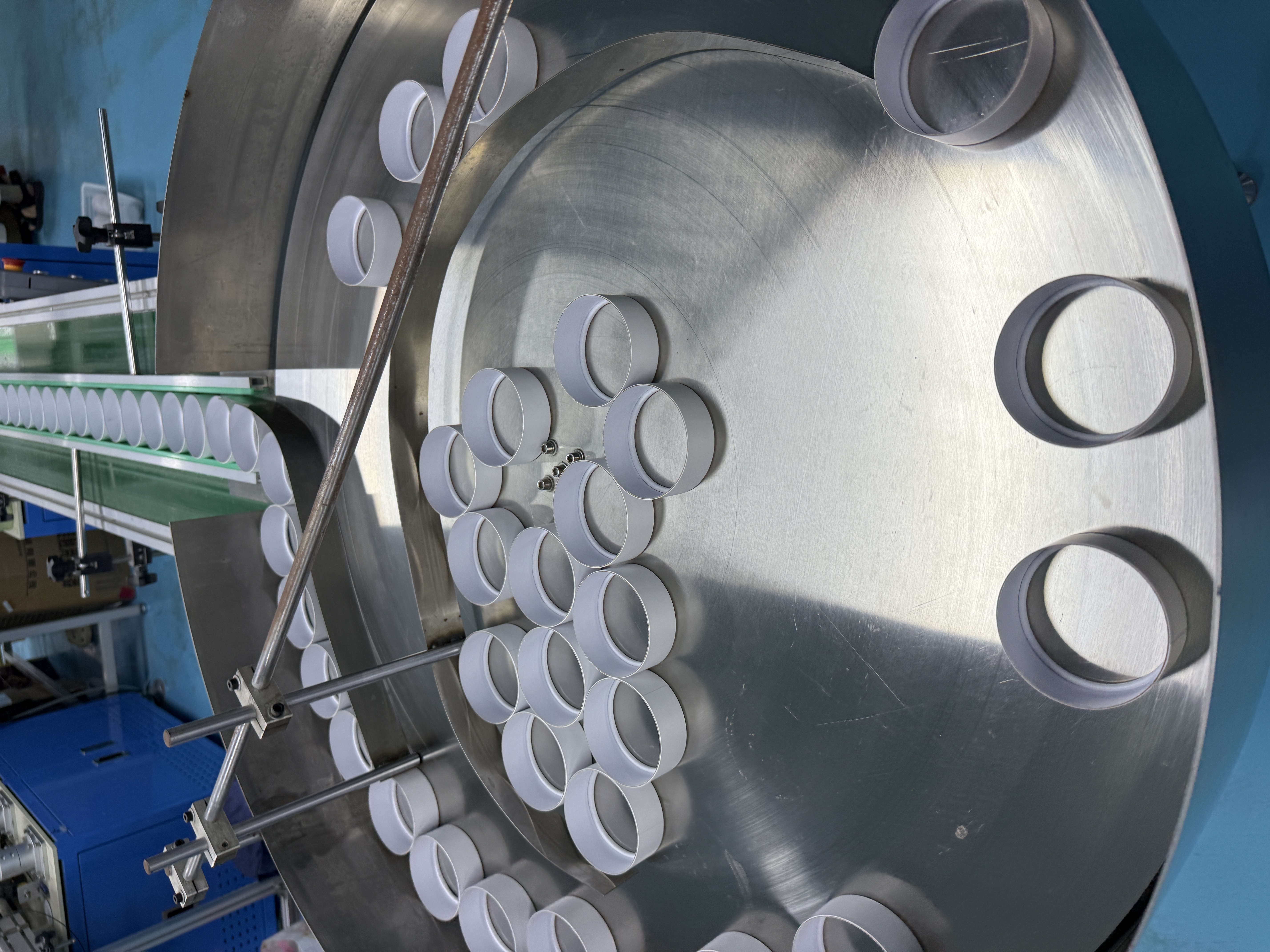
The top and bottom structures of a tube, sometimes called the head, shoulder, or base depending on the design, are manufactured according to the specific tube design rather than one fixed template. Not every tube uses the same lid, shoulder, or base construction, and closure choice affects the opening experience, how well components fit together, overall appearance, product protection, and the material composition of the finished package.
A tube that looks paper-based from the outside may still contain non-paper components in the lid, base, or barrier structure, so material composition should be evaluated across the complete package. Brands trying to reduce non-paper components can also evaluate full-paper tube structures, where the lid and base are designed around a more paper-focused construction.
Component inspection can identify visible defects before individual parts reach final assembly. Depending on the design, inspection may include checks on shape consistency, surface condition, edge condition, alignment, and how well a component fits against the tube body it will be paired with. Catching an issue at this stage is generally more efficient than discovering it after full assembly.
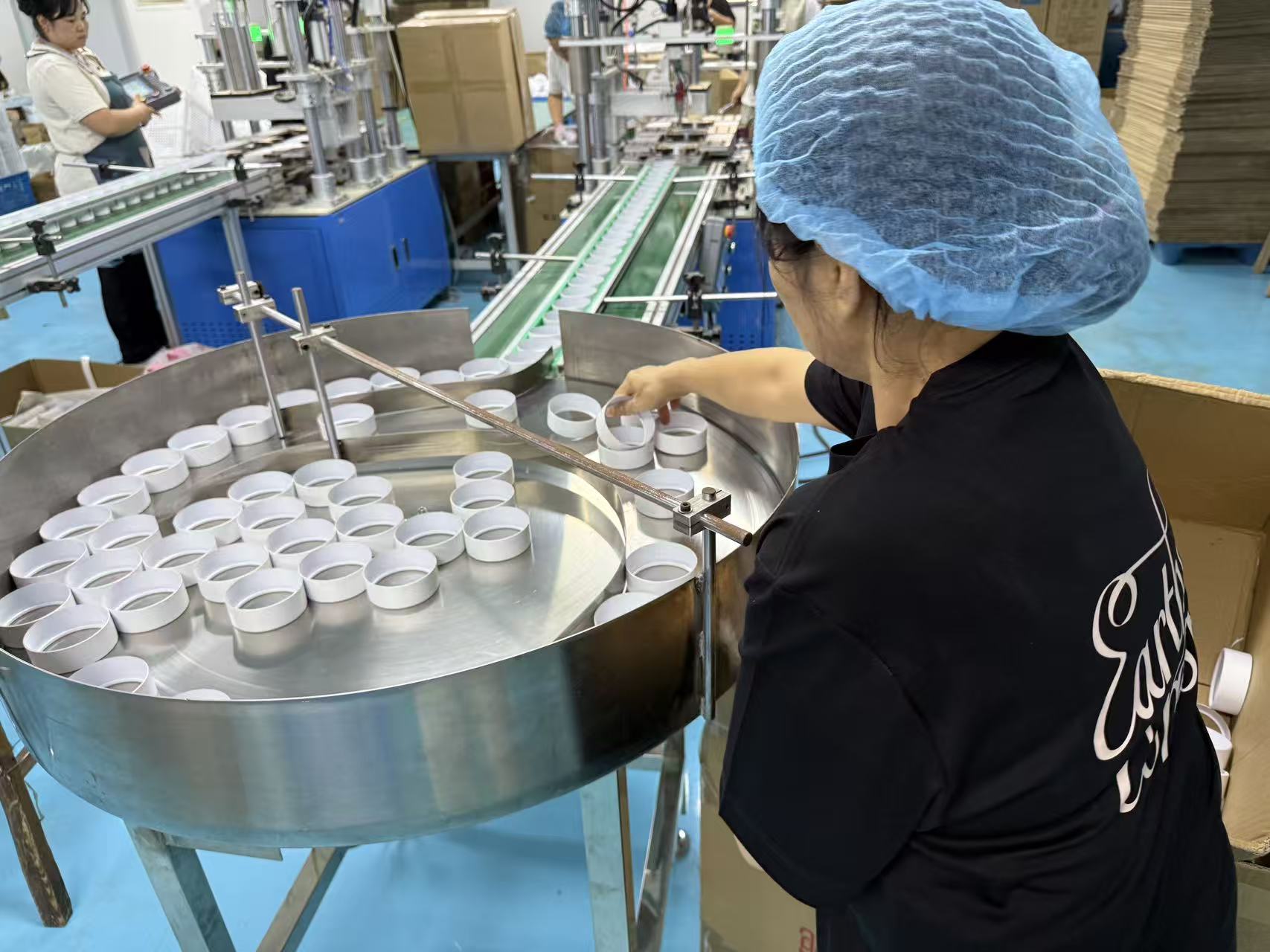
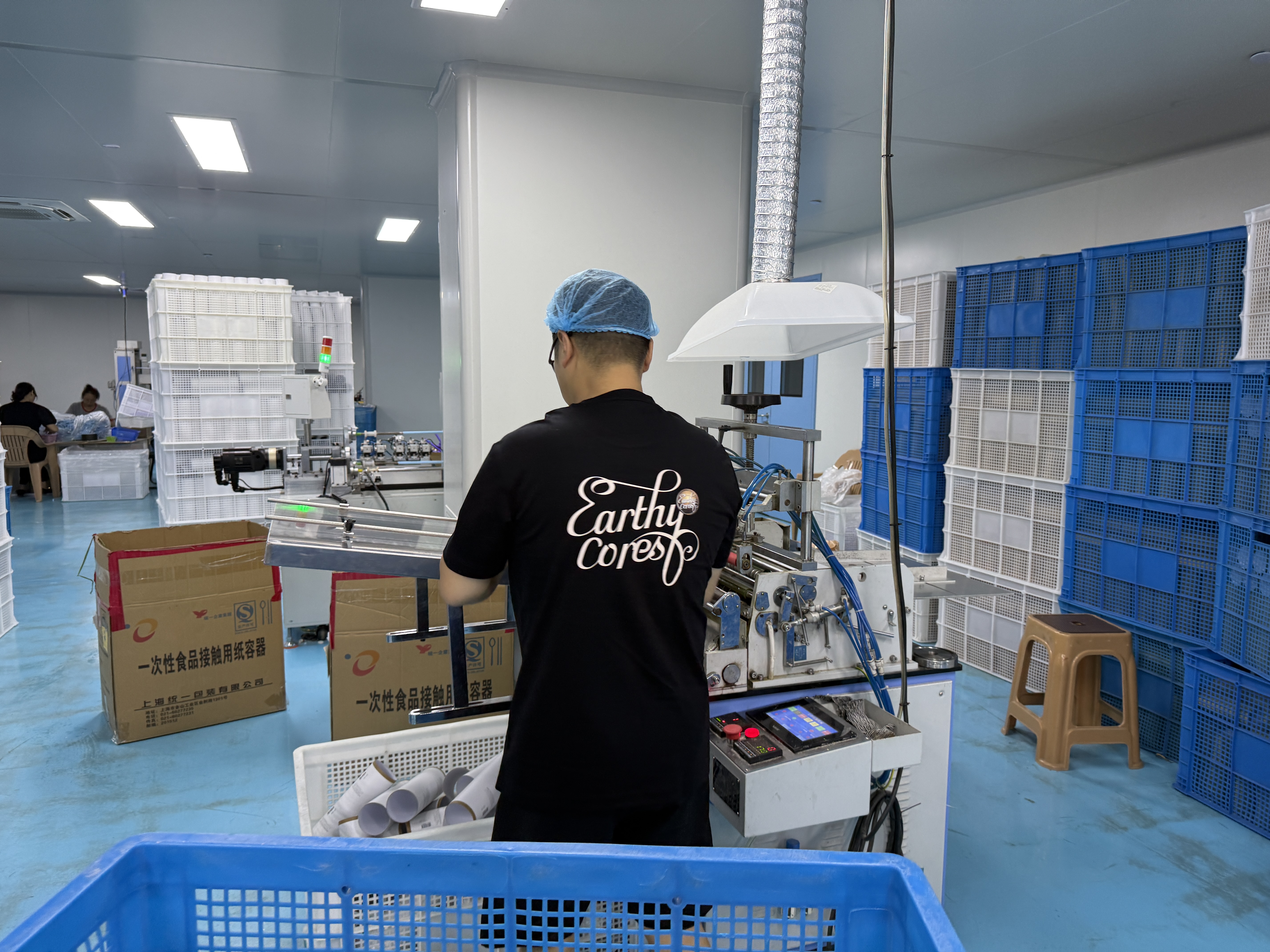
At assembly, the prepared tube body is brought together with its relevant head, base, or closure components. Assembly consistency affects how the tube opens and closes, its overall stability, whether structural and printed elements remain correctly aligned, and how the finished piece presents. Depending on the tube design and order volume, assembly may involve a mix of manual and mechanized steps.
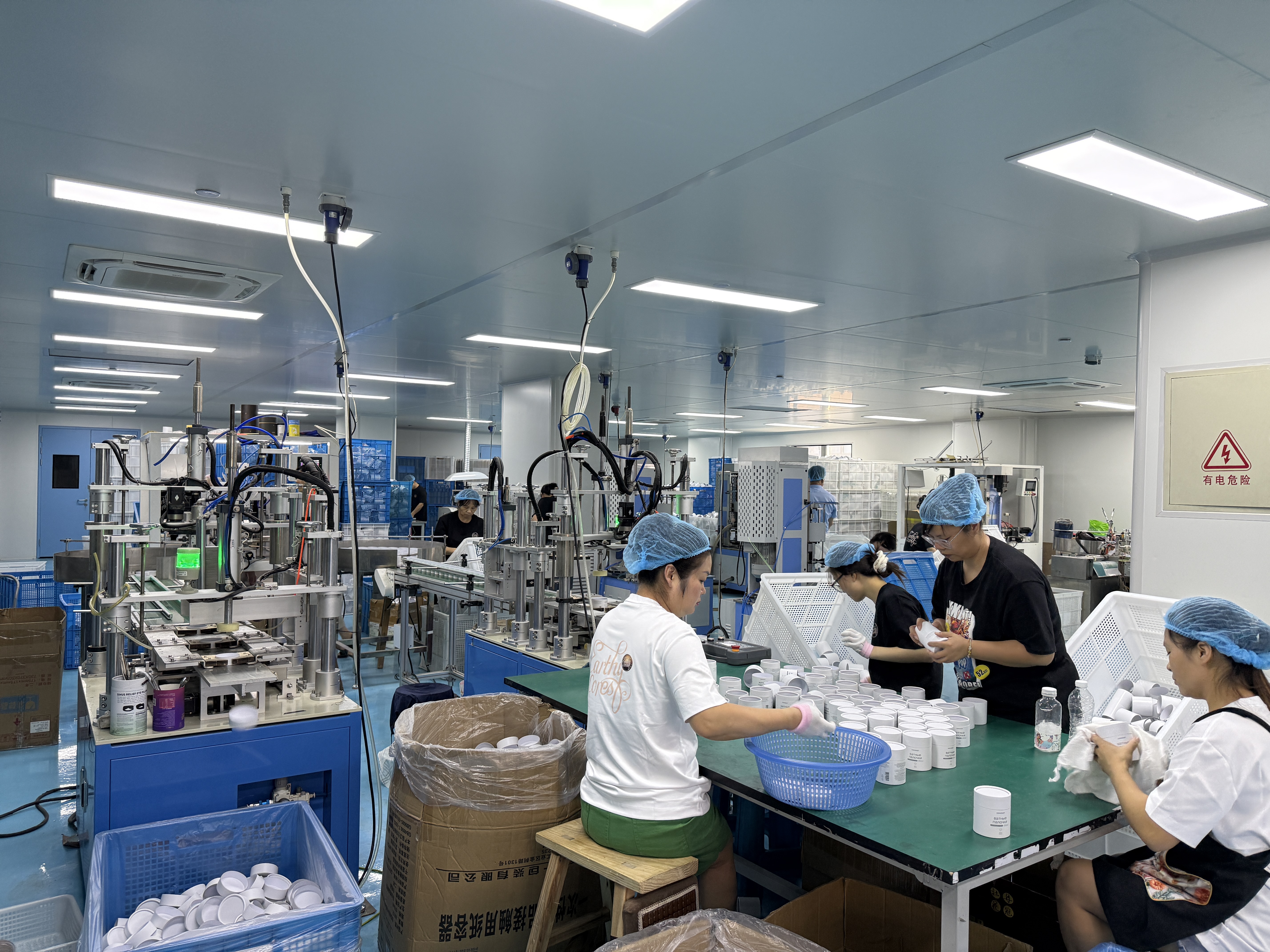
Final inspection happens after major production and assembly stages are complete, before a finished tube is approved for packing. Rather than a general statement about strict quality control, it's more useful to explain what this stage is actually intended to find: dimensional accuracy against the approved specification, print and surface quality, structural integrity of the tube body, and whether the closure fits and functions as designed.
| Area | Typical inspection consideration |
|---|---|
| Dimensions | Diameter and height against the approved specification |
| Printed appearance | Artwork placement, visible print quality and consistency |
| Tube body | Dents, deformation, or visible structural problems |
| Edges | Clean finishing around cut areas |
| Closure | Fit and function of applicable lids/bases |
| Surface | Scratches, stains, or visible manufacturing defects |
| Packing | Protection before storage and transport |
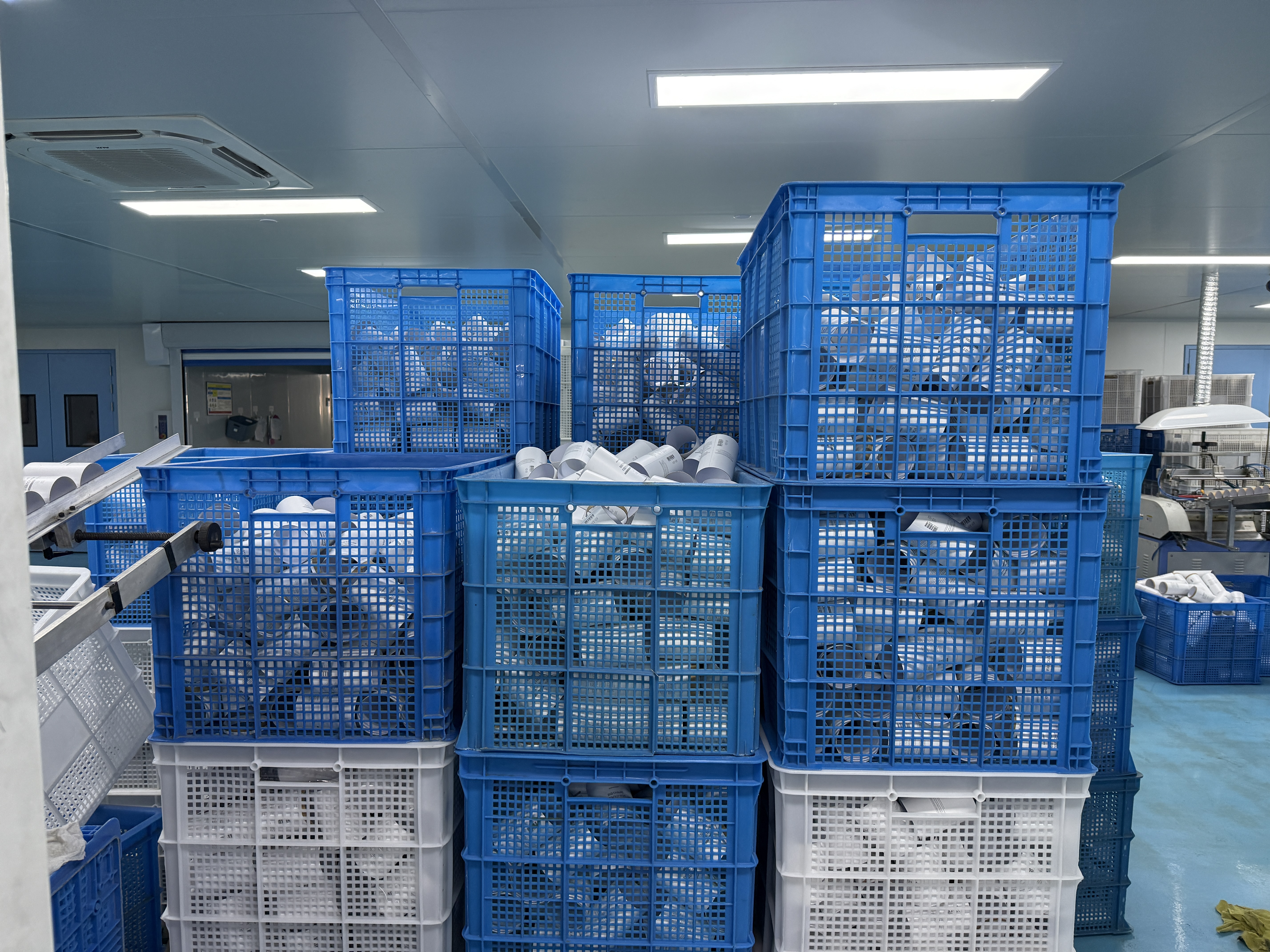
Finished tubes still need protection even though the construction is rigid. Risks at this stage include crushing under stacked weight, scuffing between units during handling, and print damage from friction in storage or transportation. Interleaving, protective wrapping, or careful carton packing all factor into how well a finished batch survives the time between production and the customer's hands.
Coffee and tea paper tube packaging may need different aroma, moisture, and barrier considerations from a cosmetic or candle tube, particularly when the product itself is placed directly inside the tube. Paper tube packaging for spices may require particular attention to moisture and aroma retention, since powders and seasonings can react differently to humid storage conditions than non-food products.
A paper tube built for a candle does not face the same requirements as one intended for coffee, nuts, spices, or supplements, even when the outside dimensions look similar.
For food products generally, moisture, grease, and direct product contact all shape which liner or coating is appropriate, since a tube holding a dry snack faces different risks than one holding something oil-based.
For coffee and tea specifically, aroma retention and moisture protection tend to dominate the construction decision, since both categories degrade noticeably once exposed to air.
For spices, moisture and aroma retention matter in a similar way, though powders and fine particulates introduce their own handling considerations during filling and closure.
For supplements, product protection and, depending on the product, documentation or compliance requirements shape both the construction and the information printed on the tube.
For cosmetics, finish quality, appearance, and compatibility between the product formula and the tube's inner surface tend to drive the specification more than structural strength alone.
For candles and other non-food products, rigidity, presentation, and shipping protection typically matter more than barrier performance, since there's no food-contact or aroma consideration involved.
The correct paper-tube construction should be selected around the product inside the tube, rather than choosing a structure solely because of how the outer package looks.
Manufacturing credibility should come from evidence a buyer can actually check, not from statements like "trusted supplier" or "quality guaranteed." Real production photographs, specific technical specifications, physical samples, material documentation, production approvals, applicable certificates with their scope clearly stated, inspection evidence, and clear, verifiable company contact details are the kinds of things worth asking for before placing a production order.
The photographs throughout this page document different stages of the Earthycores production workflow. That documentation shows that a production process exists and roughly how it operates. It is not, by itself, proof of regulatory compliance, food-safety approval, or certification status, which are separate categories of evidence and should be verified independently.
Manufacturing photographs show that a production process exists; certifications and technical documentation establish different kinds of evidence and should be evaluated separately. Readers looking for broader company information can also review About Earthycores, while this page focuses specifically on the production and quality-control sequence.
Coating before print
Printing
Quality inspection after print
Initial tube body
Cutting
Edge smoothing
Head making
Head forming
Cap inspection
Assembly
Final inspection
Finished stock
Yes. Earthycores manufactures custom paper tubes and paper canisters, with diameter, height, paperboard structure, printing, finish, liner, and lid/base construction customized to the specific product and project.
Earthycores currently publishes an MOQ of approximately 1,000 pieces on many custom tube pages, including its food, full-paper, and spice product pages, though specialist structures can carry different requirements depending on the specification.
No. Food-contact suitability depends on the specific paper, liner, and coating used, along with the application. Not every tube construction is designed or approved for direct food contact.
Applicable FSC claims should be confirmed against the certificate's actual scope and the specific materials supplied for a given order, rather than assumed across every product line by default.
Inspection typically occurs at multiple checkpoints, including printed material inspection, component inspection before assembly, and a final quality inspection covering dimensions, print appearance, structural condition, edges, closure fit, and surface condition before packing.
Yes. Diameter and height are customized according to the product and project rather than fixed to a single universal size range.
Buyers ready to start a project can prepare the product type, target fill quantity, approximate diameter and height if known, any liner or barrier requirements, printing artwork, desired lid or base style, and order quantity. Reviewing this information alongside a manufacturer's production process, like the one shown on this page, gives a clearer starting point than a price quote alone.
Reviewed by: Earthycores Packaging Team
Topic: Custom Paper Tube Manufacturing & Packaging
Last updated: September 2026