A recent discussion of the UK paper tube packaging market explains how sustainability goals, consumer expectations, and changing regulations are encouraging more brands to adopt paper tube packaging across coffee, cosmetics, supplements, food, candles, apparel, and luxury products. Rather than repeating those market trends, this article focuses on the practical decisions brands should make after deciding to move away from plastic.
The decision to leave plastic is the easy part. What comes next, choosing the right construction, finish, and manufacturing partner, is where most of the actual work happens, and it's where a lot of brands underestimate how much a paper tube's specification depends on what's going inside it.
Different Products Need Different Constructions
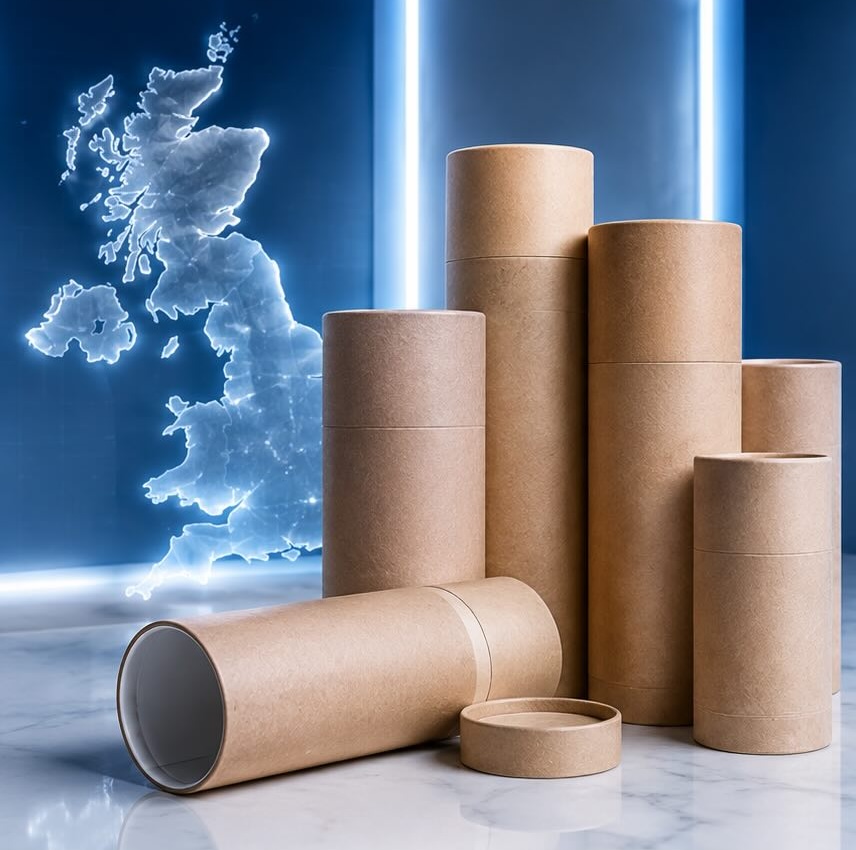
A paper tube built for coffee isn't built the same way as one built for a candle or a solid perfume. Coffee needs protection against oxygen and moisture, since roasted beans degrade quickly once exposed to air, which usually means a compostable barrier layer between the coffee and the paperboard. Custom paper tube packaging designed for this purpose typically prioritizes that barrier performance over decorative finishing, though the two aren't mutually exclusive.
Cosmetics and skincare products introduce a different problem entirely. Oil-based balms and cream formulas can degrade untreated paperboard over time, so cosmetic paper tube packaging generally needs a liner suited to the specific formula, tested rather than assumed. A solid lip balm and a facial serum sitting in a secondary canister are not the same engineering problem, even though both might be described as "cosmetics packaging" on a spec sheet.
Supplements need moisture resistance and, depending on the product, child-resistant closures. Food products vary depending on whether they're shelf-stable dry goods or something requiring grease resistance, as with certain snack or confectionery packaging. Candles need heat tolerance during production, since the tube often functions as a mold as well as a container. None of these requirements transfer cleanly from one category to another, which is why a specification built for one product rarely works as a direct substitute for a different one.
Moisture protection, grease resistance, and general product compatibility often get treated as finishing touches late in the packaging process. They shouldn't be. A tube that looks correct in a sample but hasn't been tested against the actual formula or product can fail in ways that only show up after a full production run has already shipped, whether that's a liner reacting with an oil-based formula or a moisture-sensitive product absorbing humidity through an untreated wall.
This is a large part of why sample testing matters more in paper tube packaging than it does in some other formats. A digital mockup can confirm how a design looks. It can't confirm how the tube performs once the actual product sits inside it for weeks or months.
Wall thickness and construction type, whether a tube is one-piece, two-piece, or a three-piece design with a separate lid and base, determine how well a product survives shipping and repeated handling on a retail shelf. This matters more for e-commerce than it did when most products moved through a controlled retail supply chain, since a tube now has to survive a fulfillment and delivery process that a boutique counter display never had to withstand.
Structural strength also affects perceived quality at the point of sale. A tube that feels flimsy in the hand undercuts a premium product regardless of how good the print design looks, which is why buyers sourcing luxury or gift packaging tend to prioritize wall rigidity even before finalizing artwork.
Embossing, foil stamping, textured papers, and premium printing all shape how a product is perceived before it's even opened. A minimal, embossed logo on a kraft paper tube reads differently than a full-color, foil-detailed finish, and the right choice depends on brand positioning rather than a universal standard. What matters practically is deciding on finish requirements early, since decorative processes like embossing require their own tooling and production step, and retrofitting them into a design late in the process usually costs more than planning for them from the start.
Switching from plastic to paper doesn't automatically make a package sustainable. The liner, adhesive, closure, and any decorative laminate all factor into whether the finished tube is genuinely recyclable or compostable, and a paper tube with a plastic liner solves only part of the original problem. Brands evaluating a switch should ask manufacturers for documentation on the complete construction rather than treating the base material as the whole story.
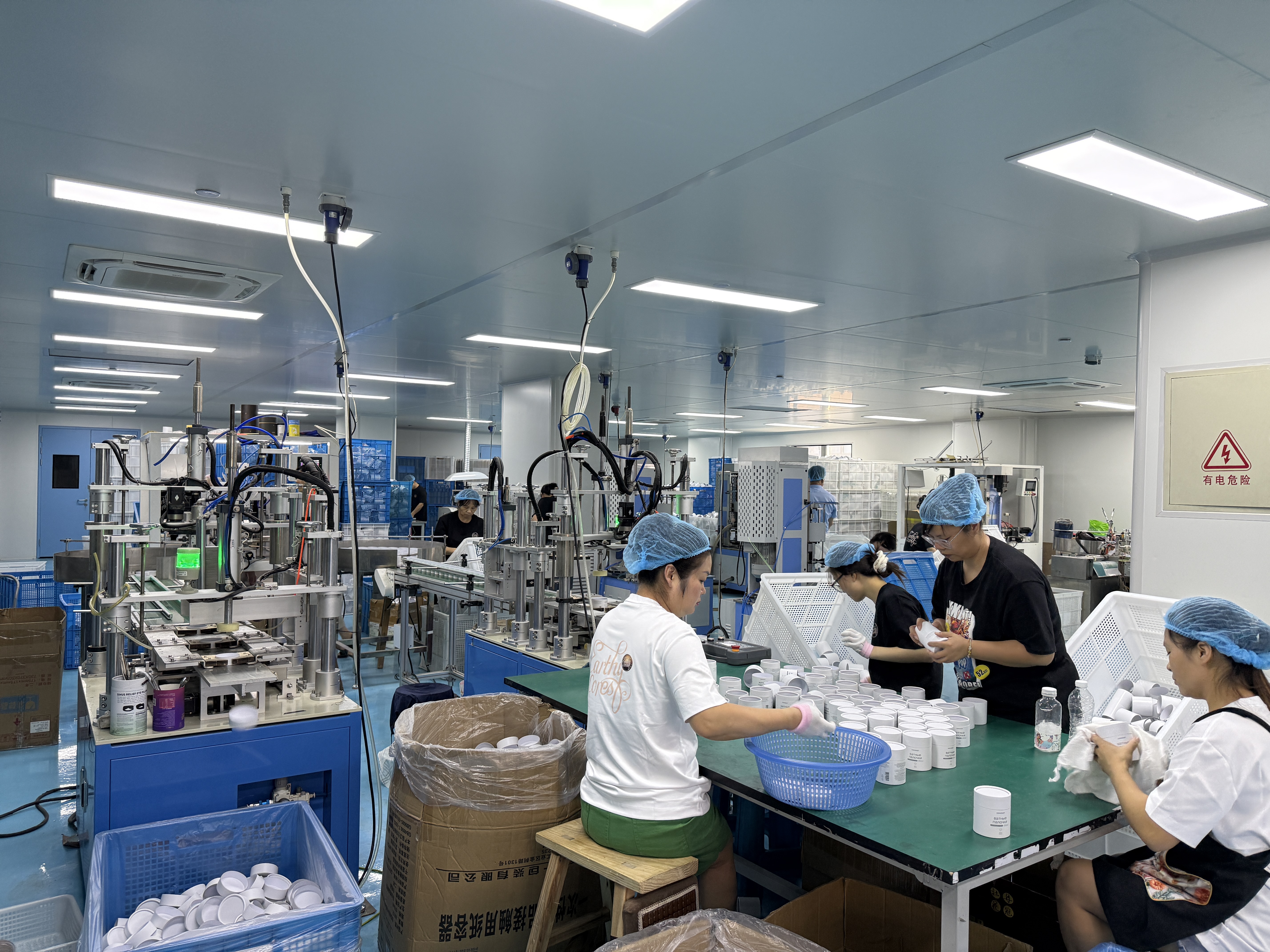
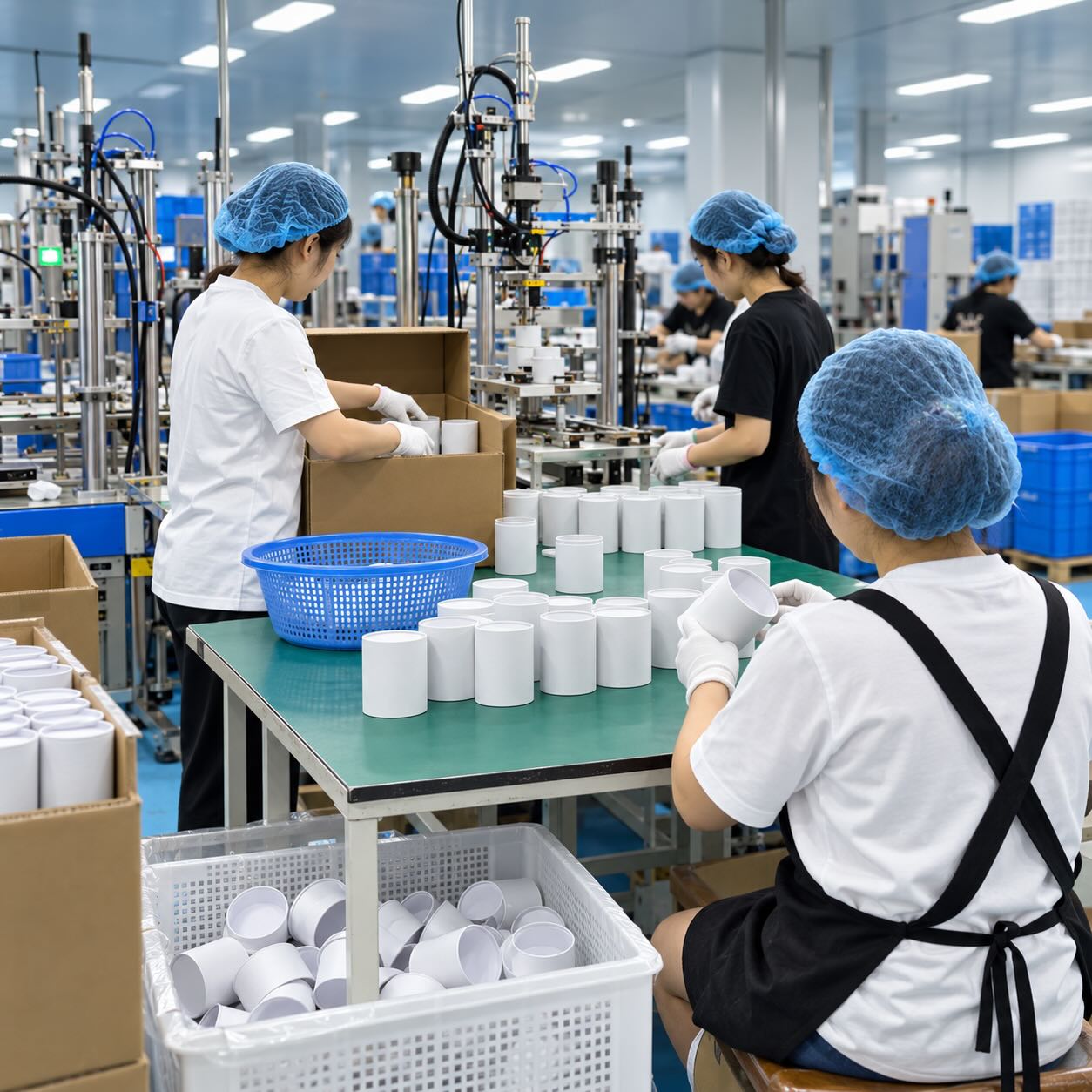
Technical experience in the specific product category matters more than a manufacturer's general portfolio size. A factory with decades of experience in industrial tubes doesn't automatically transfer that expertise to cosmetics packaging, where tolerances and liner requirements differ considerably. Customization capability, quality control processes, and certifications should all be verifiable rather than taken on trust, and a manufacturer willing to run a pre-production sample with the actual product inside it is generally a stronger signal of reliability than a polished sales pitch.
Communication during this evaluation phase is itself a useful test. A manufacturer that answers technical questions about barrier properties or construction options specifically, rather than in generalities, tends to be more reliable once a production relationship actually begins. Earthycores is one example of a manufacturer offering custom paper tube packaging across several of these categories, including dedicated options for coffee paper tube packaging and cosmetic paper tube packaging, each built around the different technical requirements those products carry rather than a single universal specification applied across every category.
None of these decisions are complicated in isolation. Taken together, they're what actually separates a packaging switch that works from one that creates a new problem six months after launch. The brands that get this right treat the move away from plastic as a specification exercise, not just a material substitution.