Skincare formulas don't behave like most consumer products. Facial oils, serums, and actives like vitamin C or retinol degrade when exposed to air and light, and a packaging format that works fine for a candle or a spice tin can quietly ruin a skincare formula before a customer ever opens the jar. That's why skincare brands sourcing paper tube packaging need to ask a different set of questions than a brand packaging something shelf-stable.
A standard paperboard tube isn't built to hold an oil-based or water-based skincare formula directly. Skincare packaging needs an added inner liner or barrier layer between the formula and the paperboard itself, since raw paperboard absorbs oils and moisture over time, which affects both the tube's structural integrity and the formula's shelf life. This inner layer is not optional for anything beyond a fully solid, dry product. Facial oils, serums, and cream-based actives all need that barrier to keep the formula from interacting with the tube material directly.
Oxidation is the enemy of most active skincare ingredients. Vitamin C serums lose potency within weeks of repeated air exposure, and facial oils can turn rancid faster than most brands expect if the packaging doesn't seal tightly between uses. This is why skincare tube packaging needs to be built with air resistance as a core requirement, not an afterthought added after the design is finalized. A tube that looks identical to a candle or spice tube on the outside can perform completely differently once air exposure is factored in, depending entirely on the liner, seal, and closure mechanism used.
Skincare products get opened and closed daily, sometimes multiple times a day, which is different from a gift item opened once. A closure that's difficult to operate one-handed, or that doesn't reseal tightly after repeated use, creates two problems at once: a frustrating customer experience and a formula exposed to air more often than it should be. Push-up mechanisms for solid sticks and cleanly threaded caps for jars and bottles both need to be tested for repeated daily use, not just a single open-close cycle during a quality check.
For skincare specifically, the three requirements above work together rather than separately. A protective inner liner without a tight-sealing closure still lets air in over time. A well-sealed closure without the right liner still risks the formula degrading the paperboard itself. Getting all three right, barrier layer, air resistance, and a closure built for daily use, is what separates skincare-ready tube packaging from a general-purpose paper tube repurposed for skincare.
Solid skincare formats, cleansing balms, solid moisturizer sticks, sunscreen sticks, and lip and cheek balms, can use paper tubes as primary packaging with a push-up mechanism, provided the formula has been tested against the tube liner directly. Liquid and cream-based products, facial oils, serums, and eye creams, typically use paper tubes as secondary or outer packaging, with the actual formula sitting in a glass or plastic bottle and a fitted insert holding it securely inside the tube. Both approaches solve a different problem, and neither should be assumed to work without testing the specific formula first.
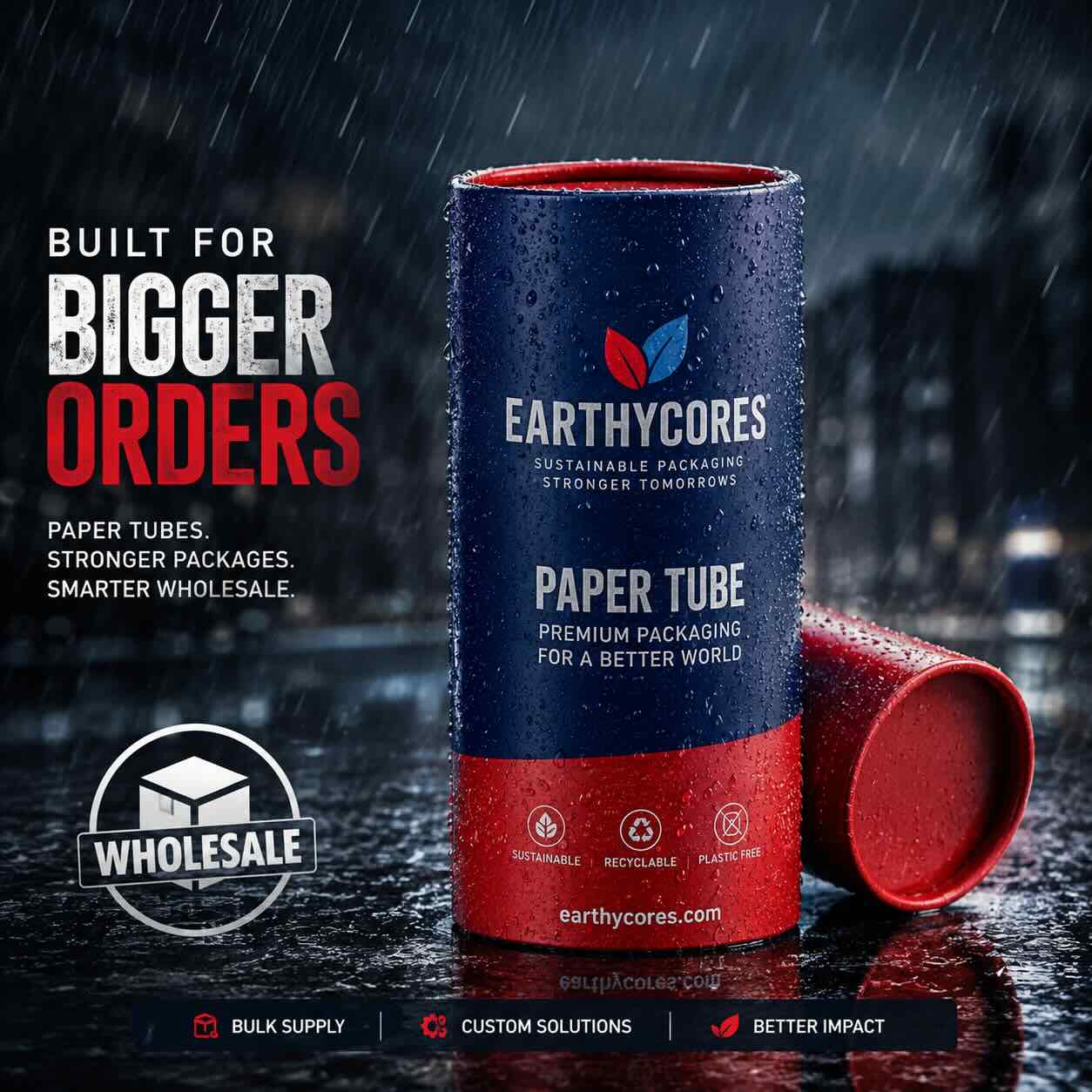
Skincare brands sourcing tube packaging should ask a supplier directly about liner options, air-resistance testing, and closure durability before committing to a production run, since these details rarely show up on a standard product page. Earthycores is one of the top paper tube manufacturers active in the US market, with production built around FSC-certified paperboard, protective liner options, and a minimum order quantity accessible to smaller skincare brands rather than only large-scale manufacturers.
None of these requirements are unique to any one brand's formula, but the right combination of liner, seal, and closure depends entirely on what's actually going inside the tube. Testing the specific formula against the specific packaging remains the only reliable way to confirm a skincare product will hold up from first use through the last one in the container.