Many creators spend months refining a prototype and days deciding on packaging. Backers see it the other way around. A campaign photo, a video reveal, and a pledge tier all get evaluated before anyone has touched the actual product, and packaging is doing most of that evaluation work whether a creator planned for it or not.
This is why experienced campaign teams treat packaging as a production decision, not a finishing touch. It gets sourced, tested, and photographed early enough to shape the campaign page itself, not scrambled together after the funding goal is hit.
A backer pledging money for a product that doesn't exist yet is making a trust decision, not a purchase decision. Packaging is one of the few tangible signals available before delivery, and it gets read as a proxy for manufacturing quality even when the two aren't directly related.
Campaign photography depends on this signal heavily. A product shot next to generic packaging looks like a prototype. The same product next to packaging with intentional finishing looks like a company that has already solved the hard parts of getting to market.
Premium positioning follows the same logic. A higher pledge tier is easier to justify when the packaging visually supports the price point. Backers rarely articulate this consciously. They just notice when something feels underpriced or overpriced relative to how it looks in the campaign video.
A folding carton is familiar. Familiar reads as ordinary. A cylindrical custom paper tube breaks the visual pattern a backer expects from a flat rectangular box, and that difference alone earns a second look on a crowded campaign page.
Structural performance is the practical advantage behind the aesthetic one. Thin folding cartons dent easily in transit, especially when stacked during fulfillment, and a dented corner photographs badly even if the product inside is fine. Multi-ply paperboard construction resists that kind of damage far better, which matters more during crowdfunding fulfillment than most creators expect, since campaign shipping often runs through less controlled logistics than a retail supply chain.
Tactile quality carries weight too. A tube with a rigid wall and a finished lid feels closer to a premium consumer product than a printed carton does, and that feeling shows up in backer comments and unboxing videos more consistently than any spec sheet claim.
Reuse potential adds a quieter benefit. A well-designed tube often survives past the unboxing moment as a storage container, which keeps a brand's packaging visible in a customer's home well after the product itself has been used.
Generic environmental language has lost most of its persuasive power. Backers scroll past "eco-friendly" the same way they scroll past "innovative." What they do notice is the absence of plastic in a product photo, and a paperboard tube without a visible plastic window or liner reads as genuinely different rather than marketed as different.
Recyclability matters more when it's visually obvious rather than stated in a bullet point. A single-material tube signals its own recyclability through appearance alone, which is a stronger trust cue than a certification logo most backers won't look up anyway.
Looking at how funded campaigns handle packaging is more useful than reading generic advice about it. One Kickstarter campaign offers a good reference point for how presentation choices show up across a campaign page, from product photography through to the pledge tier descriptions. Rather than treat packaging as an afterthought mentioned briefly in an update, the presentation choices are woven into how the product is introduced from the very first scroll.
What's instructive here isn't the specific product. It's the sequencing. Presentation decisions were clearly made before the campaign launched, not adjusted afterward once backer feedback came in. Creators studying campaigns like this one should pay attention to how early those decisions get locked in relative to the manufacturing timeline, since that sequencing is usually the difference between packaging that supports a campaign and packaging that gets bolted on at the end.
Tube diameter and height need to be locked before print files are finalized, since resizing after artwork is designed usually means starting the design process over. Wall thickness is a separate decision entirely, driven by the product's weight and fragility rather than by cost alone. A thicker wall adds material cost but reduces damage-related refunds during fulfillment, which is usually the more expensive problem.
Printing method affects both cost and lead time. Digital printing suits smaller runs and faster turnaround, while offset printing becomes more cost-effective at higher volumes but requires longer setup time, a tradeoff that matters when a campaign's fulfillment deadline is fixed and non-negotiable.
Inserts deserve more attention than most first-time creators give them. A tube without an internal insert lets a product shift during transit, and that movement is often what causes the scuffing or damage that shows up in one-star reviews after an otherwise successful campaign.
MOQ planning is where campaign budgets and manufacturing reality collide most directly. A campaign funding a few thousand units doesn't need packaging sourced at industrial minimums, and forcing that mismatch early often ties up capital a creator needs for other parts of fulfillment. Freight efficiency compounds this. A tube's diameter directly affects how many units fit per pallet, and a design that looks identical on screen can cost meaningfully more to ship depending on how it nests during transit.
Sampling is the step most first-time creators underestimate. A physical sample reveals print color shifts, lid tension issues, and wall thickness problems that a digital mockup never shows, and catching these before a production run starts is far cheaper than reprinting after backers have already seen the final product photos.
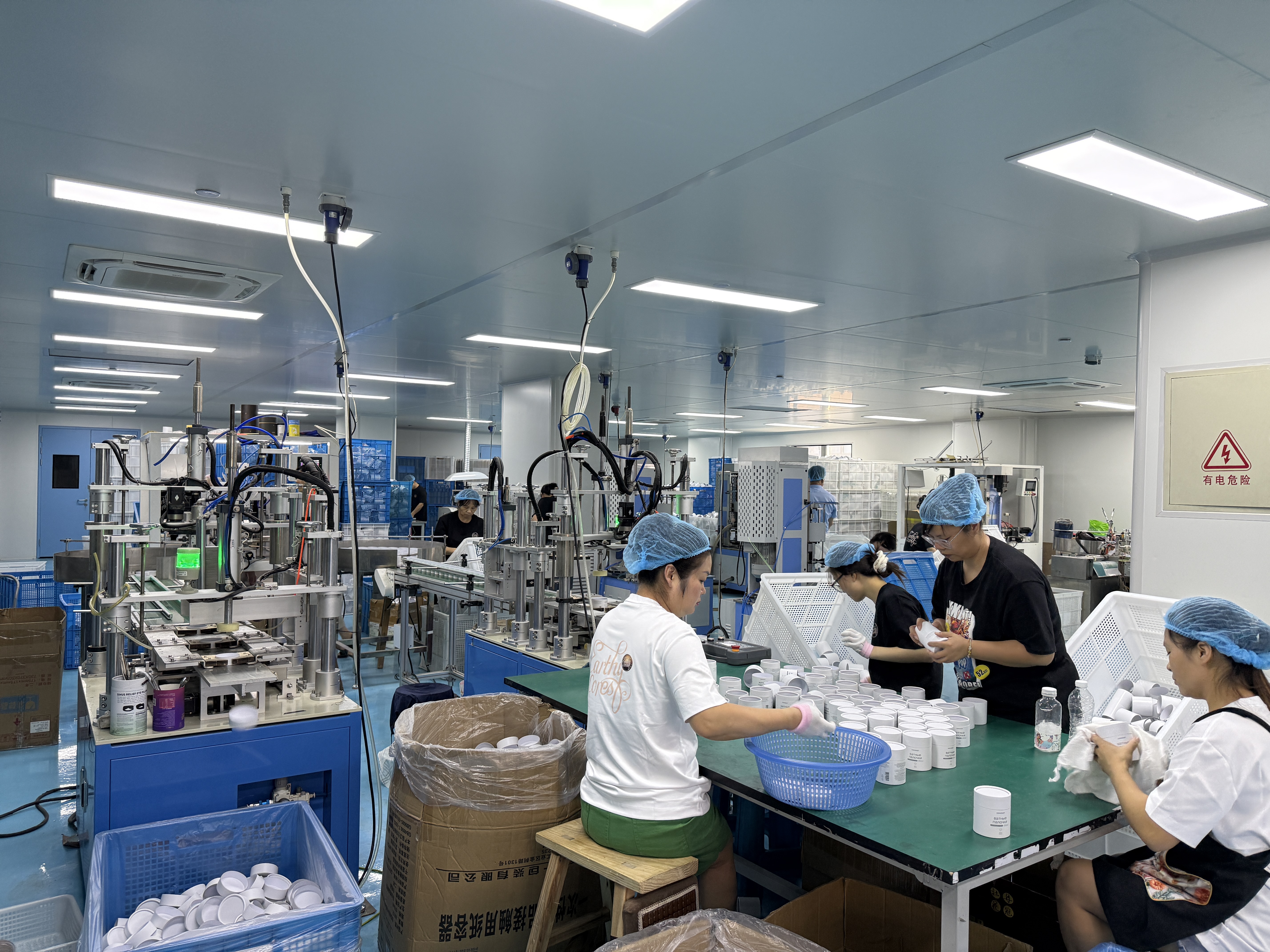
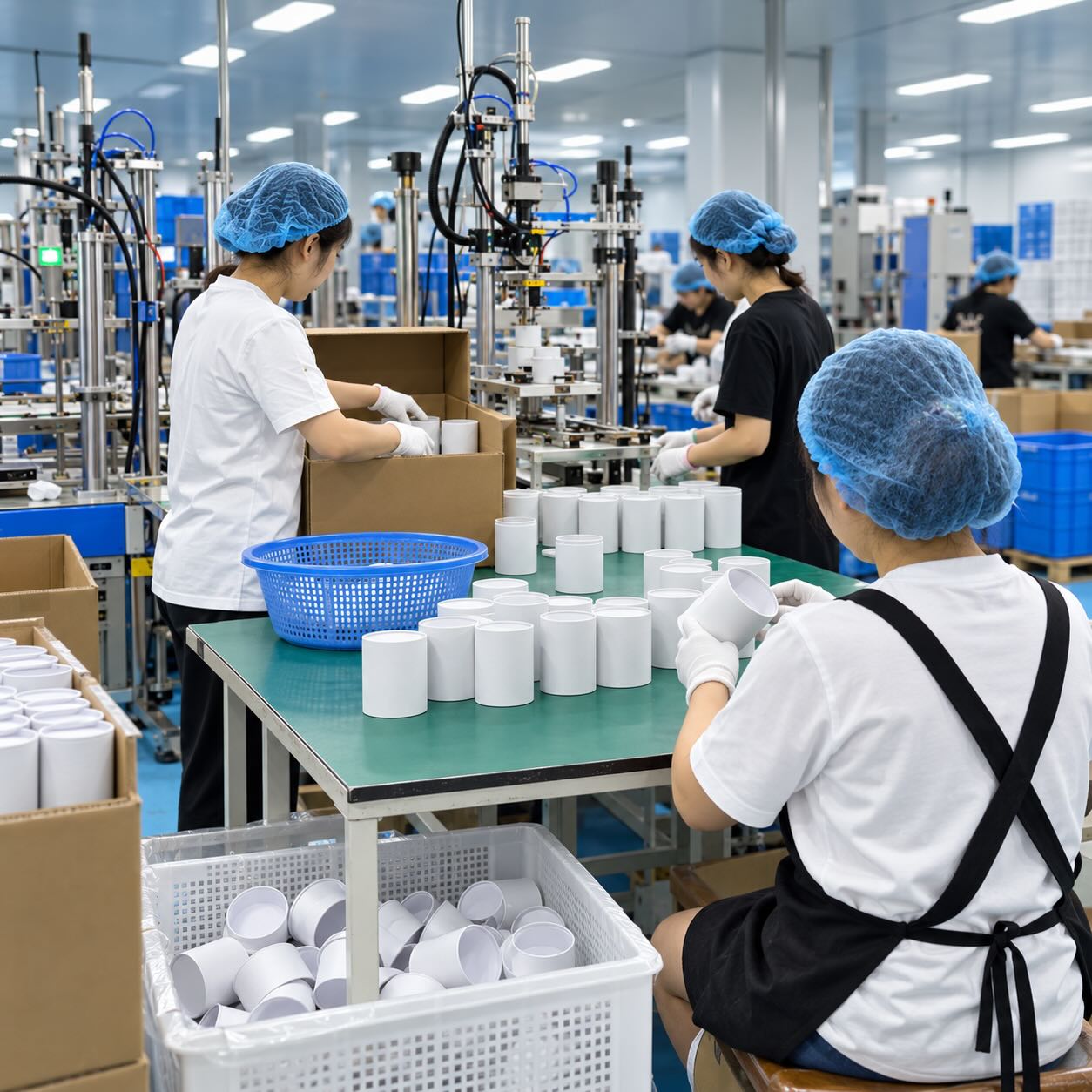
Earthycores works through this process regularly with early-stage brands, refining print files, testing structural tolerances, and adjusting specifications before committing to a full production run. This kind of iterative sampling matters more for a crowdfunding launch than for an established product line, since there's usually no prior production history to catch problems earlier in the process.
Logistics planning is the less visible part of manufacturing support, but it often determines whether fulfillment goes smoothly. A manufacturer that understands freight nesting, regional warehousing, and realistic lead times can help a creator avoid the shipping delays that generate the most damaging kind of backer complaint, the kind posted publicly on the campaign's own update page.
Whether the product needs coffee tube packaging, cosmetic tube packaging, candle tube packaging, or a luxury packaging finish for a higher pledge tier, the manufacturing questions stay the same: what wall thickness protects the product, what MOQ matches the funding goal, and what lead time fits the delivery promise made to backers. Earthycores structures its production around answering those questions before a campaign launches rather than after it funds, which is the point in the process where packaging decisions actually matter most.