A packaging category doesn't change direction overnight. It shifts one regulation, one buyer preference, and one manufacturing upgrade at a time, and the cumulative effect over ten years looks nothing like the snapshot of where things stand today.
The paper tube and core market has grown steadily as brands across food, cosmetics, and supplements move away from plastic-first packaging strategies. That growth isn't evenly distributed across categories. Businesses planning capital investment in manufacturing capacity or new supplier relationships tend to look past current demand and toward longer forecasts, since a supplier contract signed today needs to still make sense in five years. Long-term market forecasts are useful precisely for this kind of planning. A market research report covering forecasts, segmentation, and demand drivers for the U.S. paper tubes and cores market lays out projected growth in more granular detail than a single company's internal sales data can offer.
That kind of independent forecasting matters most to buyers making a multi-year supplier commitment, since it separates a category-wide growth trend from one manufacturer's individual sales pitch.
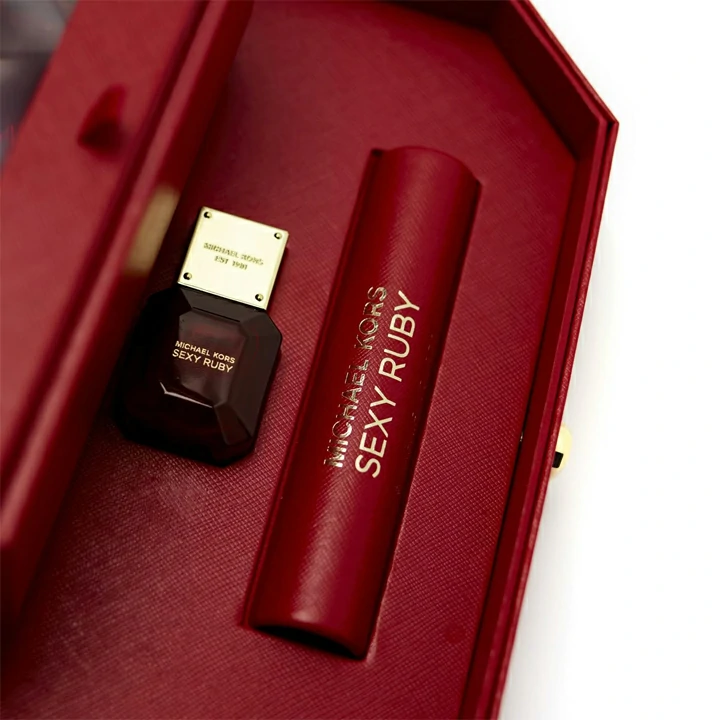
Premium positioning in packaging used to mean glass, metal, or heavy composite materials. Paper tubes have moved into that space through finishing techniques like embossing, foil stamping, and soft-touch coatings that give paperboard a tactile quality closer to what a luxury buyer expects. This shift matters for categories like perfume and luxury cosmetics, where the unboxing experience directly affects perceived product value before the product itself is even used.
Buyers increasingly expect sustainability claims to come with proof rather than a logo. This has changed how brands select suppliers, since a certification a manufacturer can't document on request has become a liability rather than a selling point. Comparing suppliers on these specifics has become common practice for procurement teams rather than something only large enterprise buyers do.
This is also where side-by-side supplier comparisons have become a regular part of a buyer's research process. One example, a comparison piece weighing Sonoco against Earthycores, walks through differences in customization, sustainability practices, production capabilities, and which type of brand each supplier tends to suit better. It isn't framed as one company being objectively superior to the other, since the two manufacturers are built for different scales and different buyer priorities. It's the kind of comparison a brand researching suppliers would read as one input among several, not a final verdict.
The next decade's real sustainability work isn't switching from plastic to paper, since that shift is already well underway. It's closing the performance gap that still pushes some brands toward plastic liners inside otherwise paper packaging. Moisture and oxygen barrier technology that doesn't rely on plastic coatings is the unresolved technical problem, and whichever manufacturers solve it most reliably will likely set the certification and performance standard the rest of the category has to match.
Manufacturing automation is changing how small custom orders get produced without the cost penalty that used to come with low-volume runs. Automated spiral winding, precision cutting, and digital printing setups let factories switch between customer specifications faster than manual changeovers allowed, which is part of why minimum order quantities across the industry have trended downward rather than upward over the past several years.
Extended producer responsibility laws and single-use plastic restrictions have expanded steadily at the state level in the US and more broadly across international markets. This regulatory direction shows no sign of reversing, which means packaging decisions increasingly need to account for compliance exposure years in advance rather than reacting to a new law after it passes.
Material science innovation in this category is concentrated on coatings and adhesives that maintain compostability while improving barrier performance. Progress here has been incremental rather than a single breakthrough, but the direction is consistent across manufacturers investing in research, which suggests it's a genuine industry-wide priority rather than one company's marketing angle.
The clearest opportunity over the next decade sits with manufacturers who can combine low minimum order flexibility, documented certification, and barrier performance that actually matches plastic without a plastic liner. That combination doesn't exist everywhere yet, which is exactly why it's the space worth watching as the category matures.