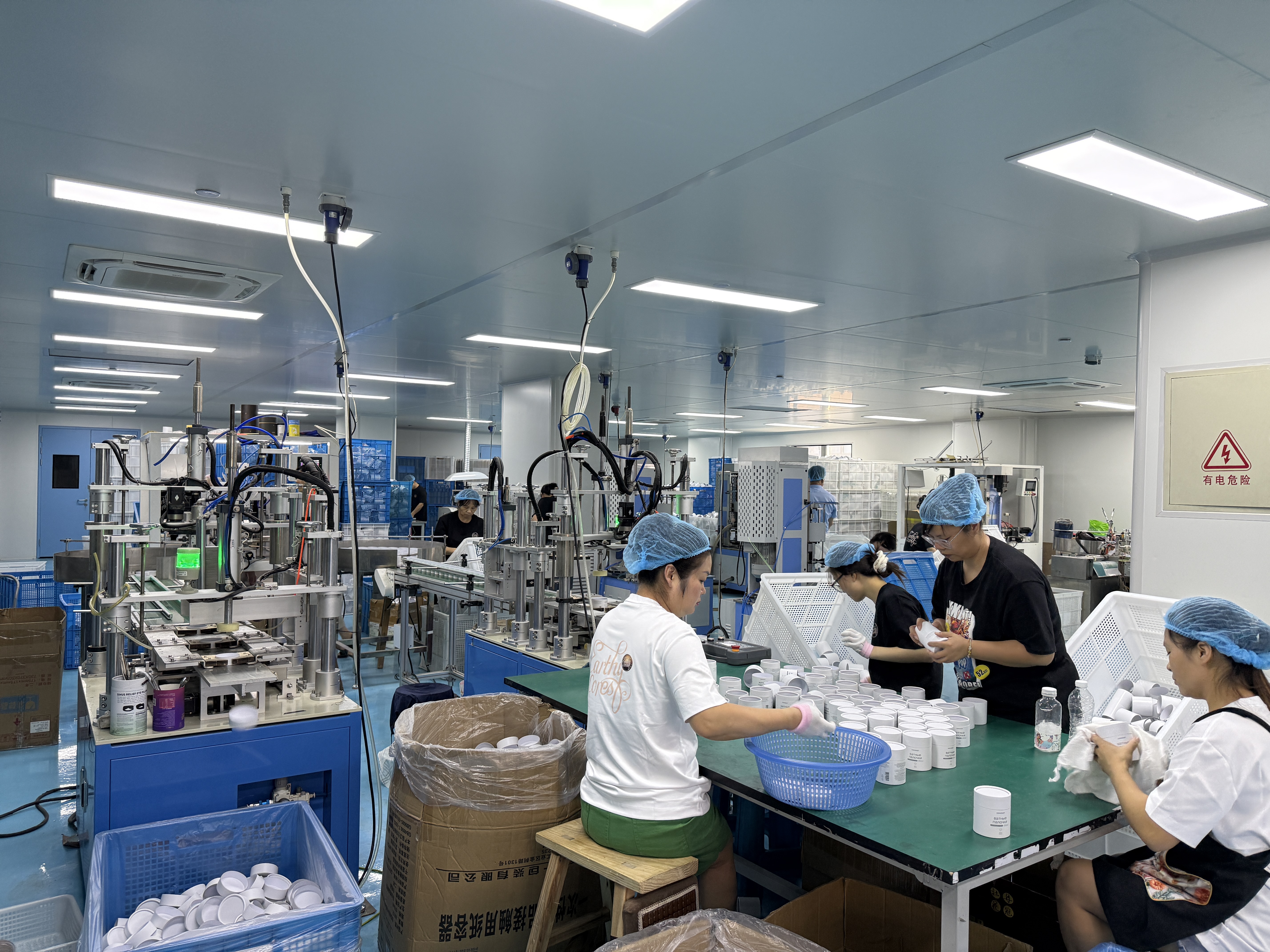
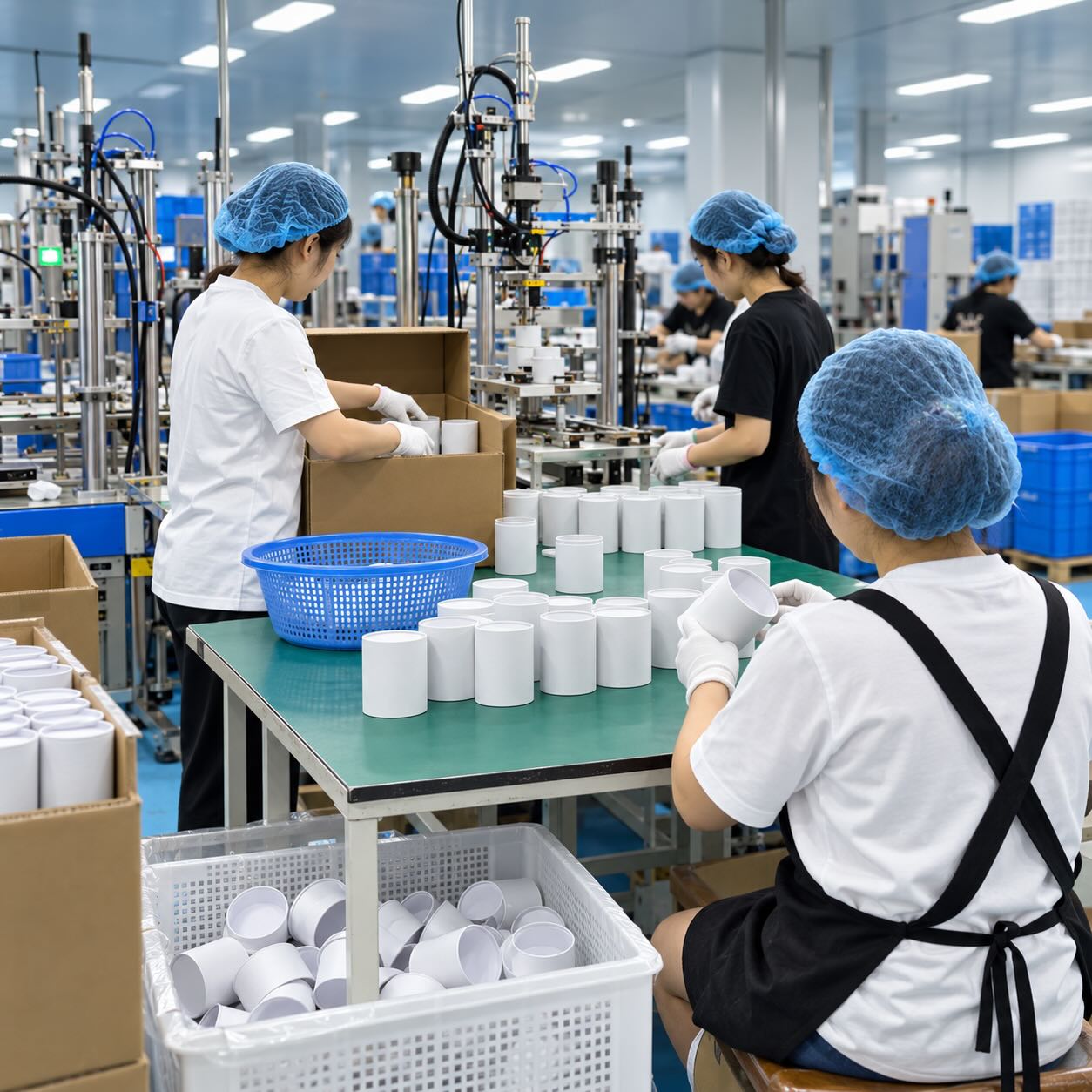
"Sustainable" gets printed on packaging more often than it gets proven. The actual difference between paper tube packaging and traditional plastic or composite containers comes down to a handful of measurable factors, not a color palette or a leaf icon on the label.
Paperboard comes from a renewable resource when it's sourced from managed forestry operations that replant at a rate equal to or greater than harvest. Plastic packaging, by contrast, is derived from petroleum, a finite resource extracted rather than regrown. This distinction is why forestry certification matters as much as the material itself. Uncertified paperboard sourcing can still come from unsustainably logged forests, so the renewable claim only holds up when it's backed by chain-of-custody certification.
Paper fiber can be recycled through standard curbside paper recycling streams in most municipalities, unlike many plastic packaging formats that require specialized facilities most cities don't operate. A single-material paper tube, without a plastic liner or foil laminate, moves through existing recycling infrastructure without needing consumers to seek out a drop-off location. Multi-material tubes that combine paper with plastic coatings lose this advantage, since mixed materials are harder for recycling facilities to separate.
Compostability is a separate claim from recyclability, and the two get confused constantly. A tube can be recyclable without being compostable, and compostable without being suitable for curbside recycling. Genuine compostability requires certification such as EN 13432 or BPI, which tests whether a material breaks down into non-toxic components under controlled composting conditions within a set timeframe. A product marketed as "compostable" without this certification is making an unverified claim, not reporting a tested outcome.
Switching from a plastic bottle to a paper tube doesn't automatically eliminate plastic from a product's packaging. Many paper tubes still use a plastic inner liner for moisture-sensitive products, which reduces plastic volume compared to a full plastic bottle but doesn't remove it entirely. The more meaningful reduction comes from tubes using compostable coatings or moisture-resistant paperboard treatments instead of a plastic liner, which is a technical challenge the industry is still actively working through for categories like coffee and supplements.
Paperboard production generally has a lower carbon footprint per unit than plastic resin production, largely because plastic manufacturing is more energy-intensive at the raw material stage. Transportation impact depends heavily on where a tube is manufactured relative to where it ships, which is why regional production and warehousing factor into a genuine carbon accounting, not just the material choice alone. A tube manufactured sustainably but shipped across an ocean for every order carries a different footprint than one produced closer to its end market.
Consumer preference for sustainable packaging has shifted from a niche interest to a mainstream purchasing factor, particularly in categories like supplements, coffee, and cosmetics where the buyer already associates the product with wellness or self-care. This shift is measurable in market research covering the category, not just anecdotal brand messaging. Analysts tracking the eco-friendly tube packaging space have followed the growth of companies producing eco-friendly tube packaging and the demand factors driving that growth, offering a data-backed view of adoption rather than a single brand's self-reported numbers.
That kind of market-level tracking is useful context for understanding why sustainable packaging has moved from an optional upgrade to something more brands treat as a baseline expectation, particularly for products already positioned around health or environmental values.
Extended producer responsibility laws, now active in a growing number of US states, shift the cost of packaging disposal onto the brand that used the packaging, not just the consumer or municipality. This changes the cost calculation for plastic packaging in a way that didn't exist a decade ago. Plastic bans targeting specific single-use formats have also expanded at the state and municipal level, and packaging decisions increasingly need to account for regulatory exposure in addition to material cost.
The next phase of development in this category centers on closing the performance gap between paper and plastic without reintroducing non-compostable materials. Moisture and oxygen barrier coatings that don't rely on plastic laminates are the primary technical problem manufacturers are working to solve, since categories like coffee and supplements are more sensitive to humidity and oxidation than most packaged goods. For readers who want a deeper look at how this plays out in practice, educational coverage of sustainable paper tube packaging walks through the environmental advantages and practical applications of the format in more detail than a single manufacturer's product page typically covers.
Resources like that are useful less for ranking any particular supplier and more for understanding the mechanics behind why paper tube packaging performs the way it does, which is a different question than which specific company to buy from.
Paper tube packaging isn't automatically more sustainable than every plastic alternative in every scenario. A single-material, certified-compostable tube manufactured and shipped regionally is a clear improvement over a plastic bottle. A multi-material paper tube with a plastic liner, shipped globally from a single facility, closes that gap considerably. The material category matters less than the specific certifications, construction, and supply chain behind the individual product.