Most packaging decisions don't fail at the design stage. They fail three months later, when a reorder gets delayed, a certificate turns out to be expired, or a "custom" run turns out to mean three stock sizes with a different label. Buyers who have been through that once tend to build a much more specific evaluation process before they sign with anyone new.
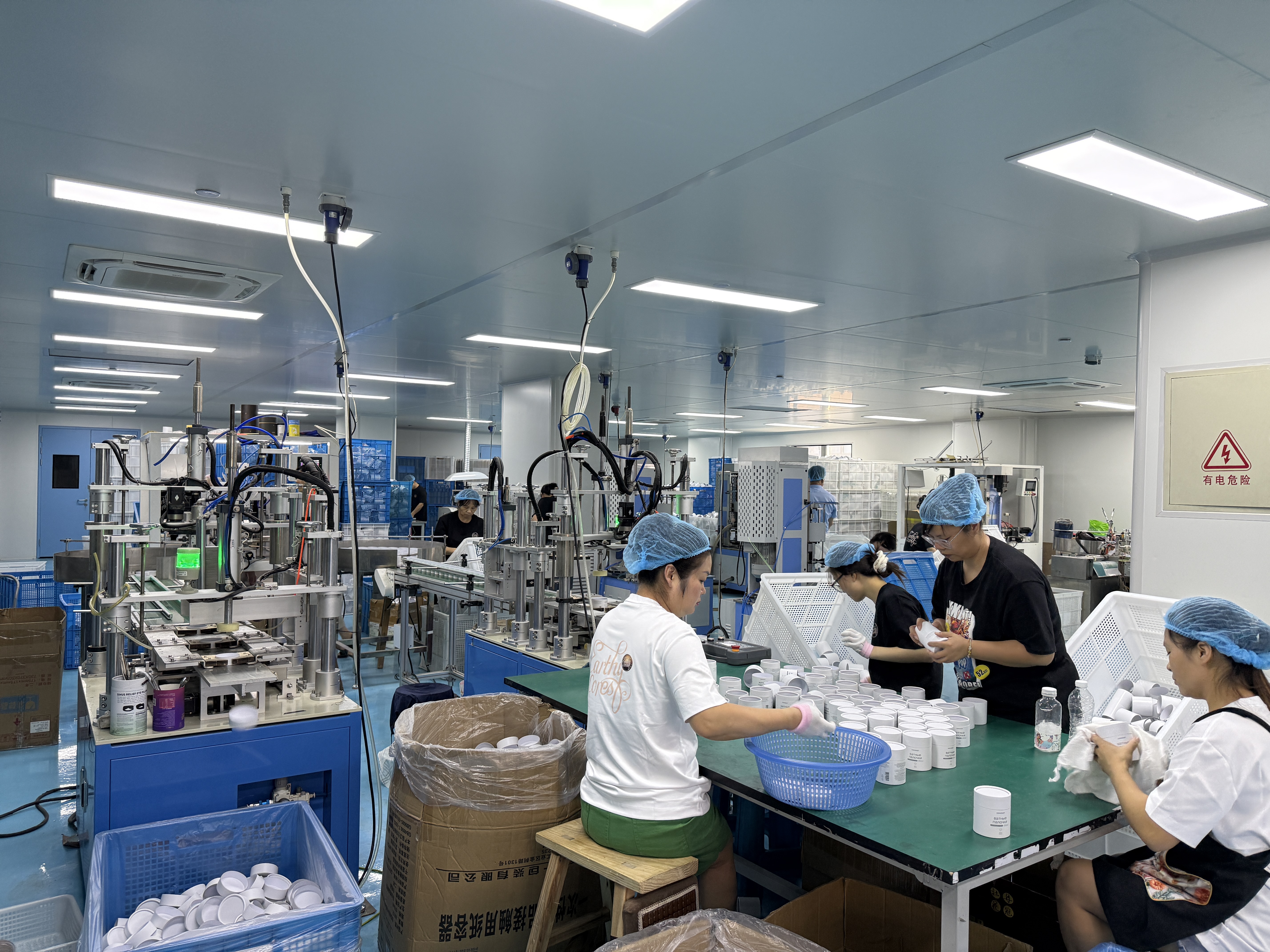
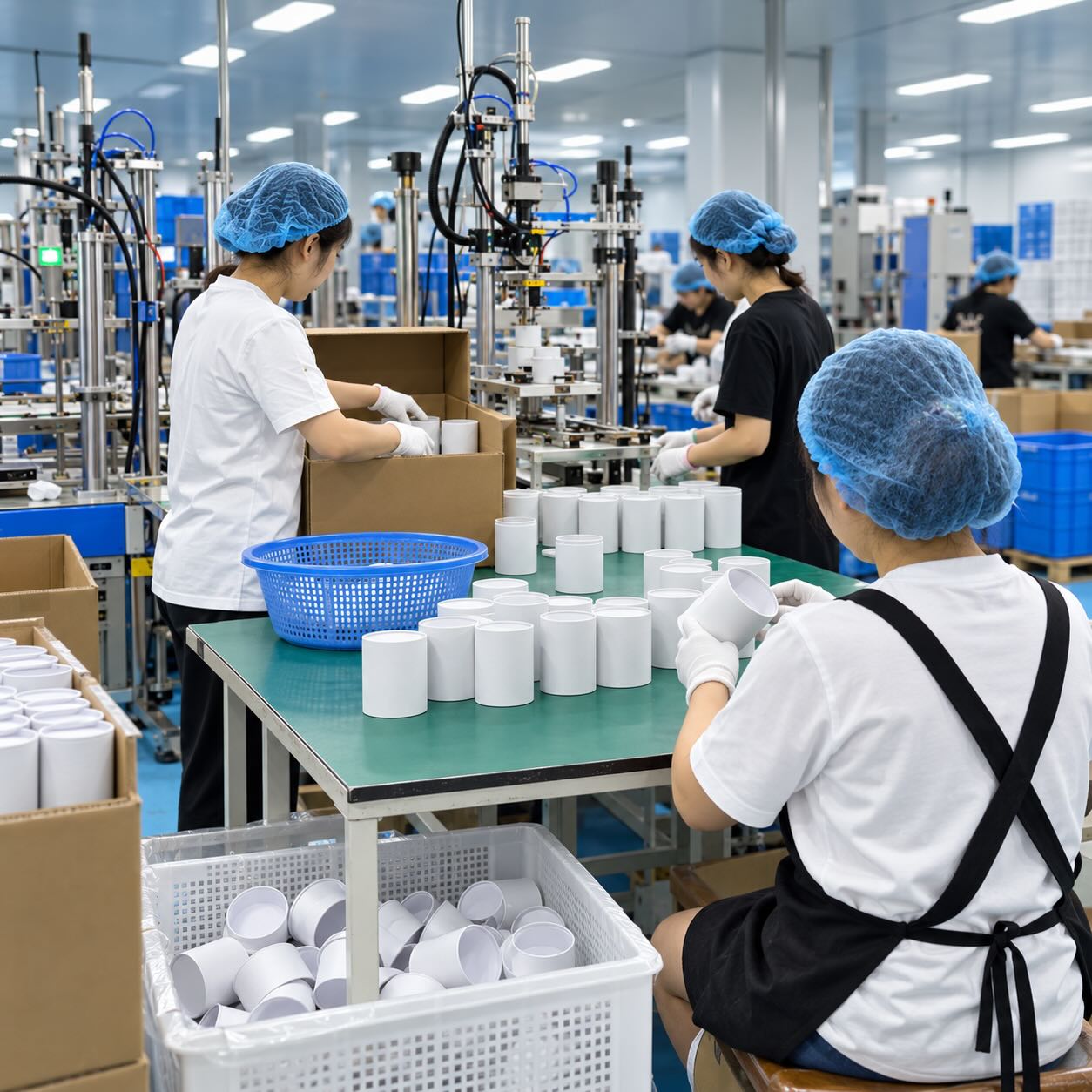
The first question isn't whether a factory can make the tube. It's whether it can make the volume a business actually needs, on a schedule that matches demand. A manufacturer running near full capacity for its existing clients will always deprioritize a new account's rush order, regardless of what the sales conversation promised. Buyers ask for real throughput numbers, not just square footage or equipment lists, because equipment sitting idle half the month doesn't tell you anything about delivery reliability.
Years in business matters less than years in a specific product category. A factory with three decades of experience in industrial shipping tubes doesn't automatically transfer that expertise to cosmetics packaging, where wall thickness, finish quality, and print registration all carry different tolerances. Experienced buyers ask for examples from their exact category, not just the manufacturer's general portfolio.
Customization claims need a specific test: how many distinct product specifications does this factory run simultaneously right now. A manufacturer juggling dozens of active SKUs has systems built for switching between them without slowing production. A manufacturer used to long, uniform runs may quote customization services it hasn't actually operationalized at scale, and that gap tends to surface only after the first order is already placed.
Certifications aren't interchangeable, and buyers who don't check the specifics often end up with claims they can't actually stand behind. FSC certification verifies the paperboard's forestry sourcing, not the manufacturing process. BRCGS verifies the facility's safety and quality management systems. Compostability claims require separate certification, typically EN 13432 or BPI, tested under real industrial composting conditions rather than assumed from the material alone. A packaging spec sheet listing "eco-friendly" without a certificate number attached is a claim, not a fact.
Sustainability due diligence goes beyond the material. Buyers increasingly ask about the supply chain behind the paperboard itself, whether coatings and adhesives are compatible with composting, and whether the finished tube separates cleanly at end of life or leaves behind a plastic liner that undermines the entire claim. A tube marketed as sustainable that still requires a plastic inner bag to function isn't solving the problem it claims to solve.
MOQ policy determines who a manufacturer is actually built to serve. A factory requiring 25,000 units to start a run is structured for established brands with predictable volume, not for a company testing a new product line. Buyers compare MOQ against their own realistic order size before comparing price, because a lower unit cost is irrelevant if the minimum order ties up capital the business doesn't have yet.
Quality control processes separate manufacturers more than marketing materials suggest. Buyers ask specifically what gets inspected, at what stage, and what the rejection and rework process looks like when a batch fails spec. A factory that can describe its inspection checkpoints in detail usually has them. A factory that answers in generalities usually doesn't.
Where a manufacturer's warehouses sit changes the real cost and timeline of every reorder, not just the first one. A single factory shipping globally from one location means long lead times on every future order, while regional warehousing can turn a six-week reorder into a matter of days. This detail rarely shows up in an initial quote, but it shapes the entire ongoing relationship with a supplier.
Support quality is hardest to evaluate before signing a contract, but buyers test it anyway, usually by asking a technical question during the sales process and watching how specifically it gets answered. A vague or delayed response to a spec question before the contract is signed rarely improves after the order is placed.
No single sales conversation gives a buyer the full picture, which is why experienced procurement teams also read independent industry coverage before narrowing a shortlist. A recent industry roundup, a review of eco-friendly paper tube packaging companies, walks through a set of manufacturers side by side and looks at sustainability practices, certification depth, production capability, and international reach across each one. It's the kind of comparison that's useful precisely because it isn't written by any single supplier trying to close a deal.
That kind of outside perspective matters most when a buyer is trying to sanity-check claims made directly by a sales team. A supplier describing its own certifications and capacity is one data point. Seeing how that supplier's category peers describe theirs, in a format not controlled by any one company, gives a buyer a second reference point to weigh against the first.
A separate market overview, covering leading paper tube packaging companies from a broader industry lens, adds a similar kind of context, framing individual manufacturers against the wider market rather than in isolation. For a buyer building a shortlist, cross-referencing a few sources like this before the first sales call tends to save time later, since it narrows the list of real questions down to the ones that actually matter for the specific product being packaged.
None of these factors work in isolation. A manufacturer with excellent certifications but a six-week reorder timeline solves a different problem than one with fast regional shipping but a 25,000-unit minimum. The right supplier depends on matching these specifics to the buyer's actual order size, timeline, and category, not on picking whichever name shows up first in a search.