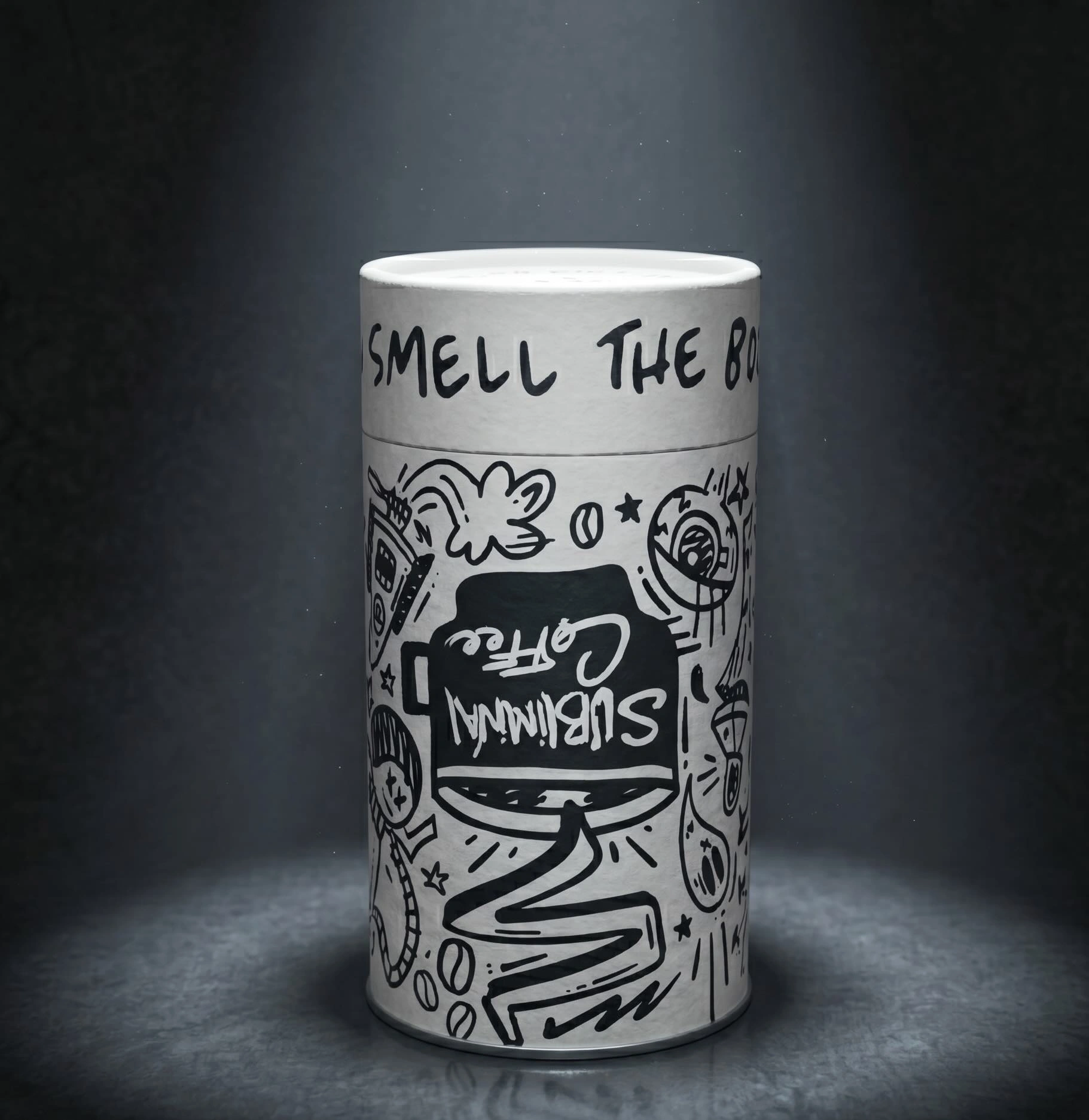
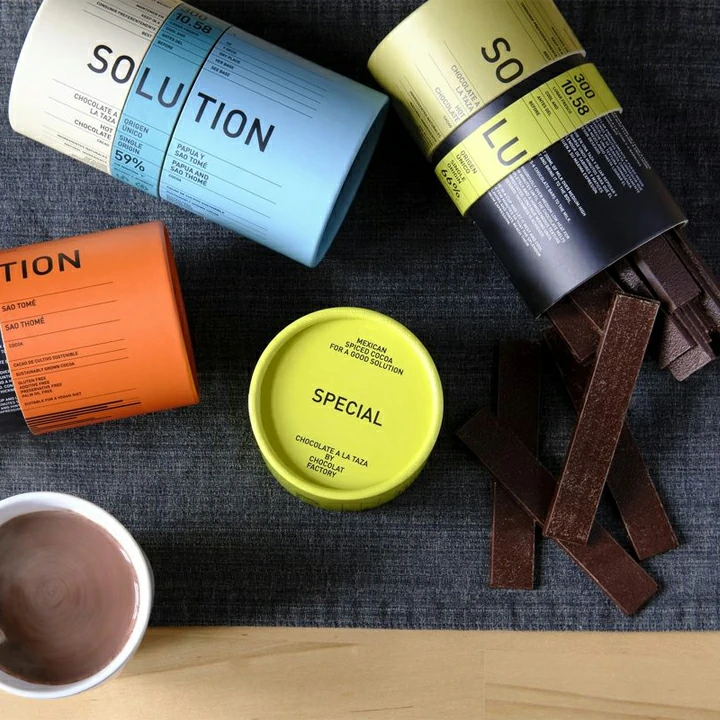
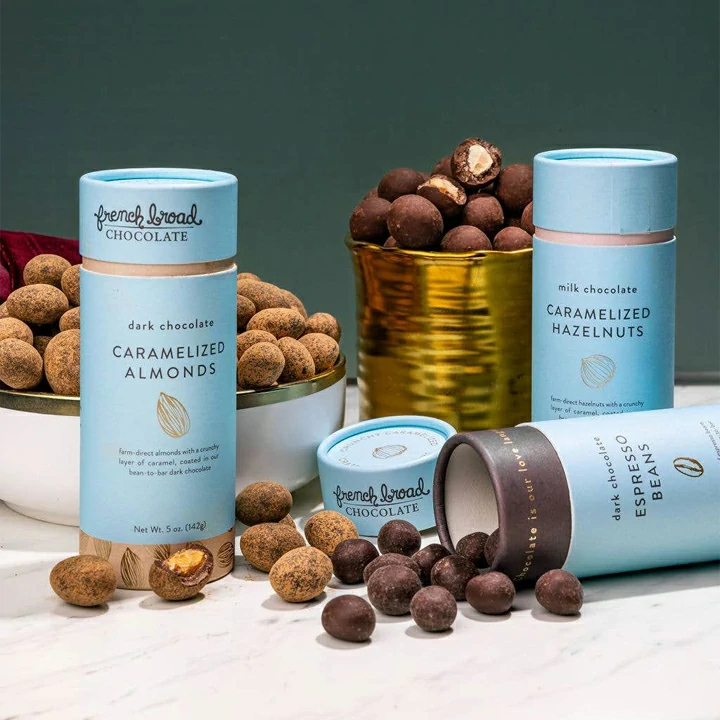
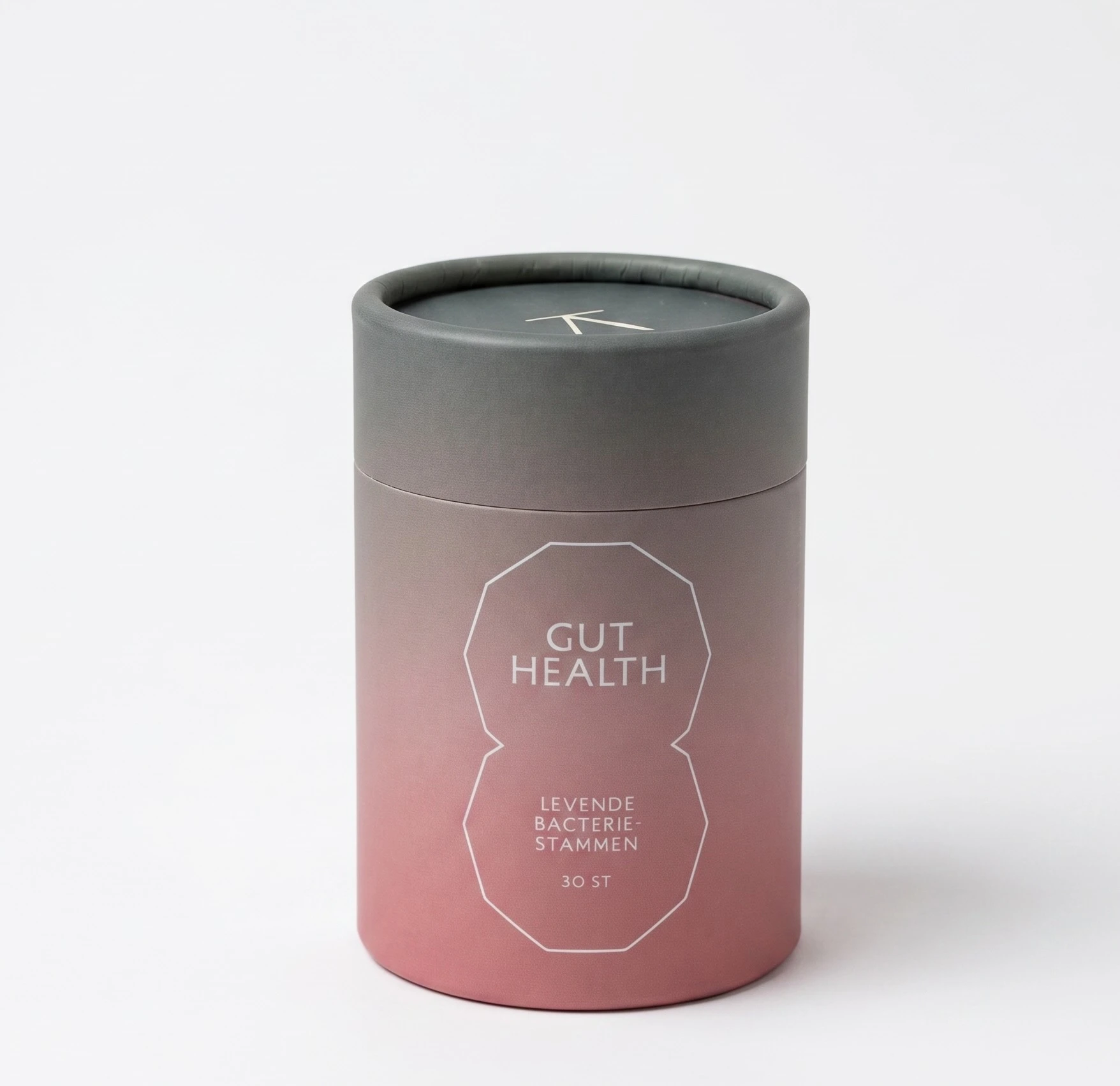
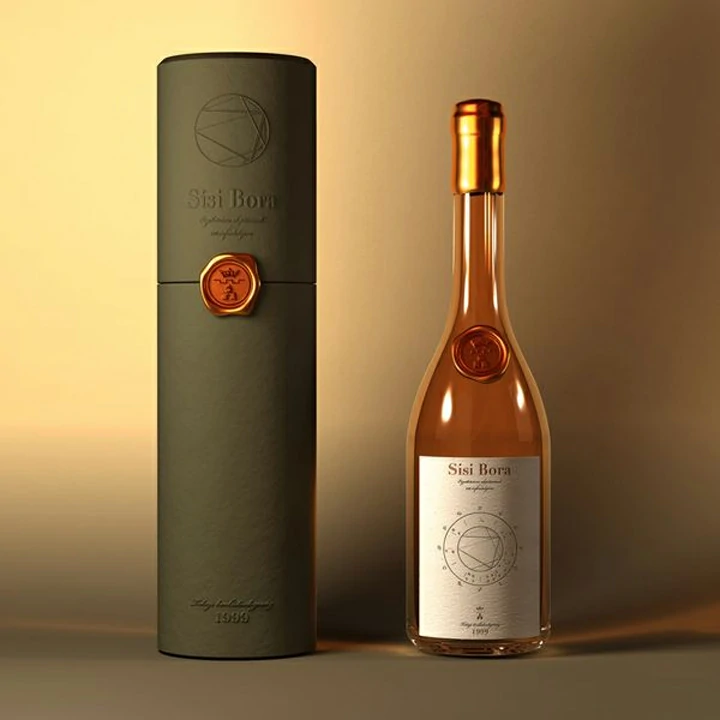
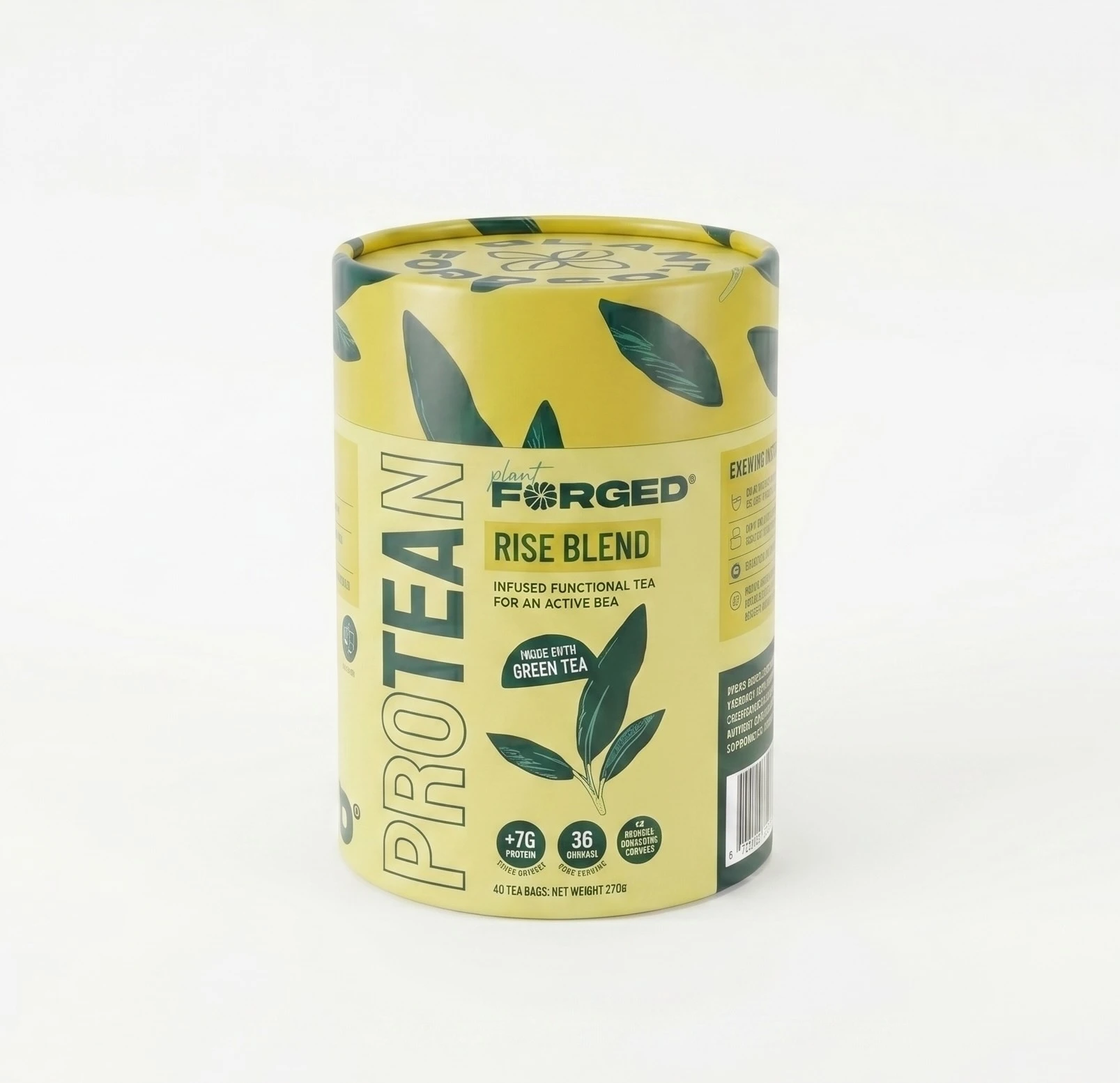
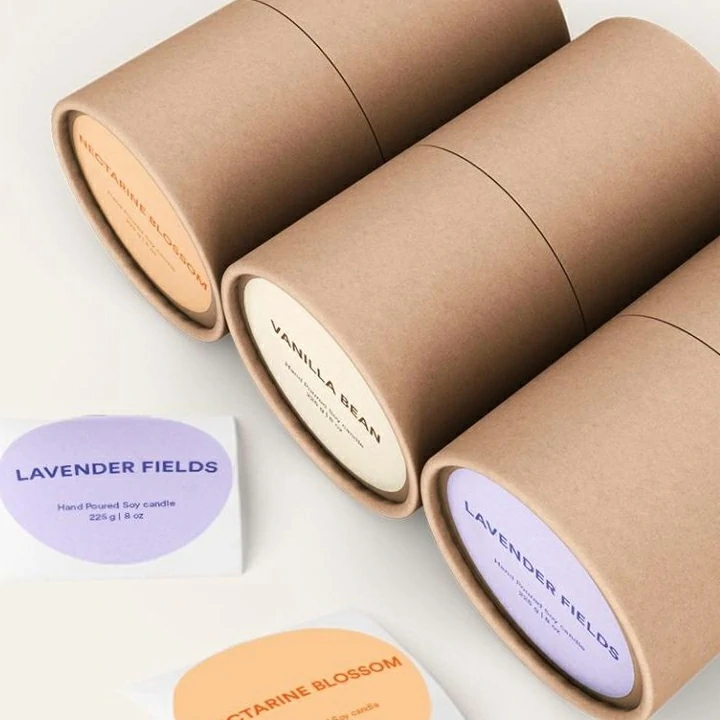
Cardboard tube packaging has become the standard choice across industries. From coffee to cosmetics, pet food to wine, brands are choosing durable cardboard cylinder tubes because they work. They protect products. They look premium. They are sustainable. And they are customisable for any brand story. But not every industry has the same requirements. This guide walks through how cardboard tube packaging solves different problems across different sectors.
Cardboard tube packaging is a cylindrical container made from recyclable cardboard materials. The format has become standard across consumer goods categories because it solves multiple problems simultaneously. It protects products. It looks premium on shelves. It is sustainable. And it is infinitely customisable. A cardboard cylinder tube can be as simple as natural kraft or as complex as multi-colour printed with embossing and specialty finishes.
The structure itself provides benefits plastic packaging cannot match. The rigid walls protect against crushing. The cylindrical shape distributes pressure evenly. The natural insulation properties protect sensitive products from light and temperature fluctuation. For brands competing in crowded retail categories, cardboard tube packaging is not just functional. It is strategic.
Not all cardboard tube packaging is created equal. Heavy duty cardboard tubes are engineered specifically for products requiring maximum protection. The wall thickness, material composition, and structural design determine how much protection a tube provides.
Heavy duty cardboard cylinder tubes typically use 1mm to 1.2mm wall thickness. This thickness provides structural integrity that lighter tubes cannot match. Products like chocolate, wine bottles, or high-value items require this level of protection. The investment in heavier materials pays off through reduced damage claims and improved customer satisfaction.
The material composition matters equally. Post-consumer recycled cardboard provides environmental benefits while maintaining strength. Multi-layer construction adds barrier properties. Moisture barriers protect against humidity. Light barriers protect light-sensitive products. Heavy duty cardboard tube packaging becomes a custom solution when you combine the right materials with the right design.
The choice between cardboard cylinder tubes and plastic packaging is increasingly clear to brands. Plastic offers cost savings at high volumes. But cardboard tube packaging offers everything else consumers now value. Environmental responsibility. Product safety. Premium perception. Brand authenticity.
Consumer research consistently shows that cardboard tube packaging is perceived as higher quality than plastic. The tactile experience matters. Weight matters. The material itself communicates value. For premium brands, this perception difference justifies the packaging investment. For mass market brands, the sustainability story drives competitive advantage.
Plastic packaging created an environmental crisis. Cardboard tube packaging offers a proven alternative. Recyclable. Compostable. Made from renewable resources. The market is shifting because consumers are demanding it. Brands choosing cardboard tube packaging are not just solving a packaging problem. They are making an environmental statement.
The real power of cardboard tube packaging is customisation. Unlike plastic bottles that require massive tooling investments, cardboard cylinder tubes can be customised at small order quantities. Full-colour printing. Embossing. Specialty finishes. Unique sizing. Your brand story can be completely integrated into the packaging design.
Emerging brands can launch with custom cardboard tube packaging at 1,000 unit quantities. No massive investment. No 50,000 unit minimums. This democratisation of premium packaging is fundamentally changing how small brands compete. A startup with the right cardboard tube packaging design can look as professional as an established brand.
Cardboard tube packaging made from 100% recycled materials represents a genuine environmental solution. These tubes biodegrade in 2-6 months. They contain no harmful chemicals. They can be recycled indefinitely without quality loss. Unlike plastic that persists in landfills for 500+ years, cardboard tube packaging solves the waste problem.
The production process for cardboard cylinder tubes uses significantly less energy than plastic injection moulding. Transportation is lighter, reducing fuel consumption. End-of-life disposal is simple. Customers can compost tubes or place them in standard cardboard recycling. The environmental benefits extend from production through disposal.
Initial cost concerns often fade when brands understand the full value proposition of cardboard tube packaging. Yes, per-unit cost may be higher than the cheapest plastic option. But total value calculation includes damage reduction, brand perception, sustainability, and customer loyalty. Heavy duty cardboard tubes protect products that would otherwise arrive damaged, costing more than the packaging premium.
As order volumes grow, cardboard tube packaging becomes increasingly cost-effective. The 1,000 unit barrier to entry allows small brands to test packaging without massive risk. Scale brings costs down. Brands that start with cardboard tube packaging and grow see unit costs decrease over time while maintaining premium quality.
Cardboard tube packaging is not a trend. It is the future of consumer packaging. Regulatory pressure on plastic is increasing globally. Consumer preference for sustainable materials is accelerating. Technology for customising cardboard cylinder tubes at lower costs continues improving. The market shift is inevitable.
Brands making the transition to cardboard tube packaging today are positioning themselves as environmental leaders. Brands delaying the shift are betting on a plastic future that is rapidly becoming unviable. The question is no longer whether to switch to cardboard tube packaging. The question is when.
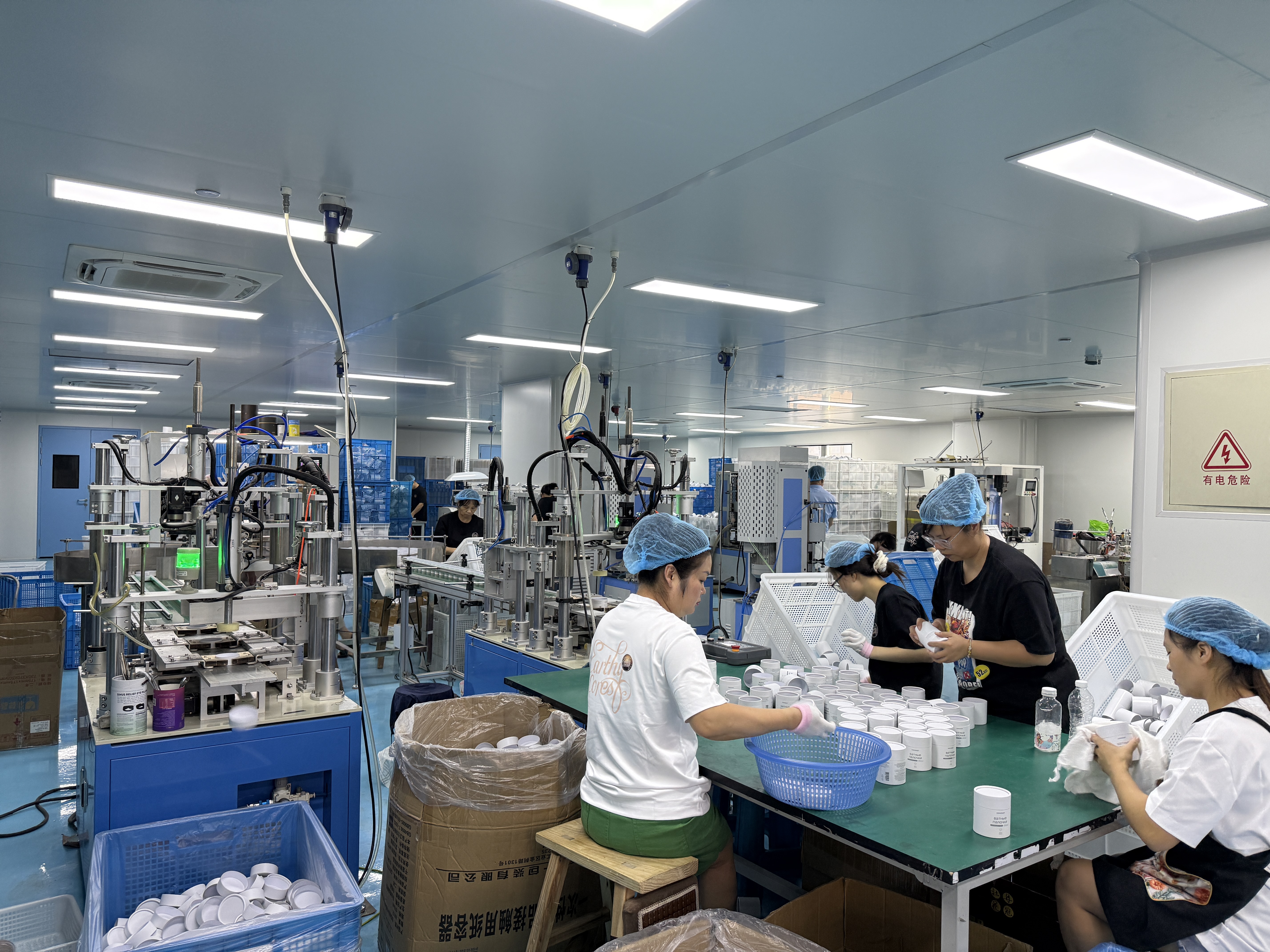
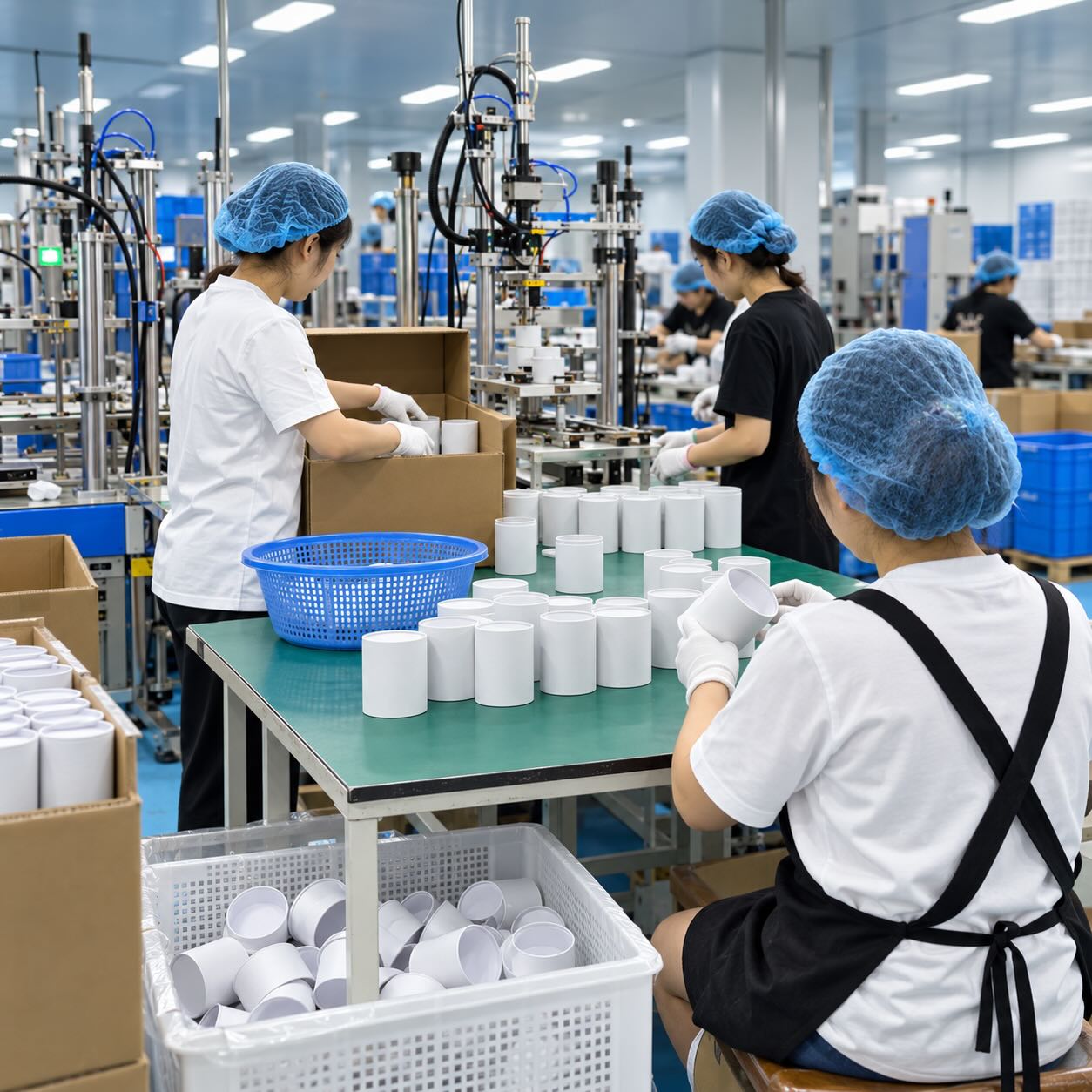
Selecting a cardboard tube packaging manufacturer is a critical decision. Not all suppliers provide equal quality. Not all understand the nuances of different industry requirements. The right partner understands that your cardboard tube packaging success is their success.
Look for manufacturers with experience across multiple industries. Look for quality certifications. Look for reasonable minimum order quantities that support your business stage. Look for manufacturers that treat small orders with the same attention as large ones. Cardboard tube packaging partnerships are long-term relationships. Choose accordingly.