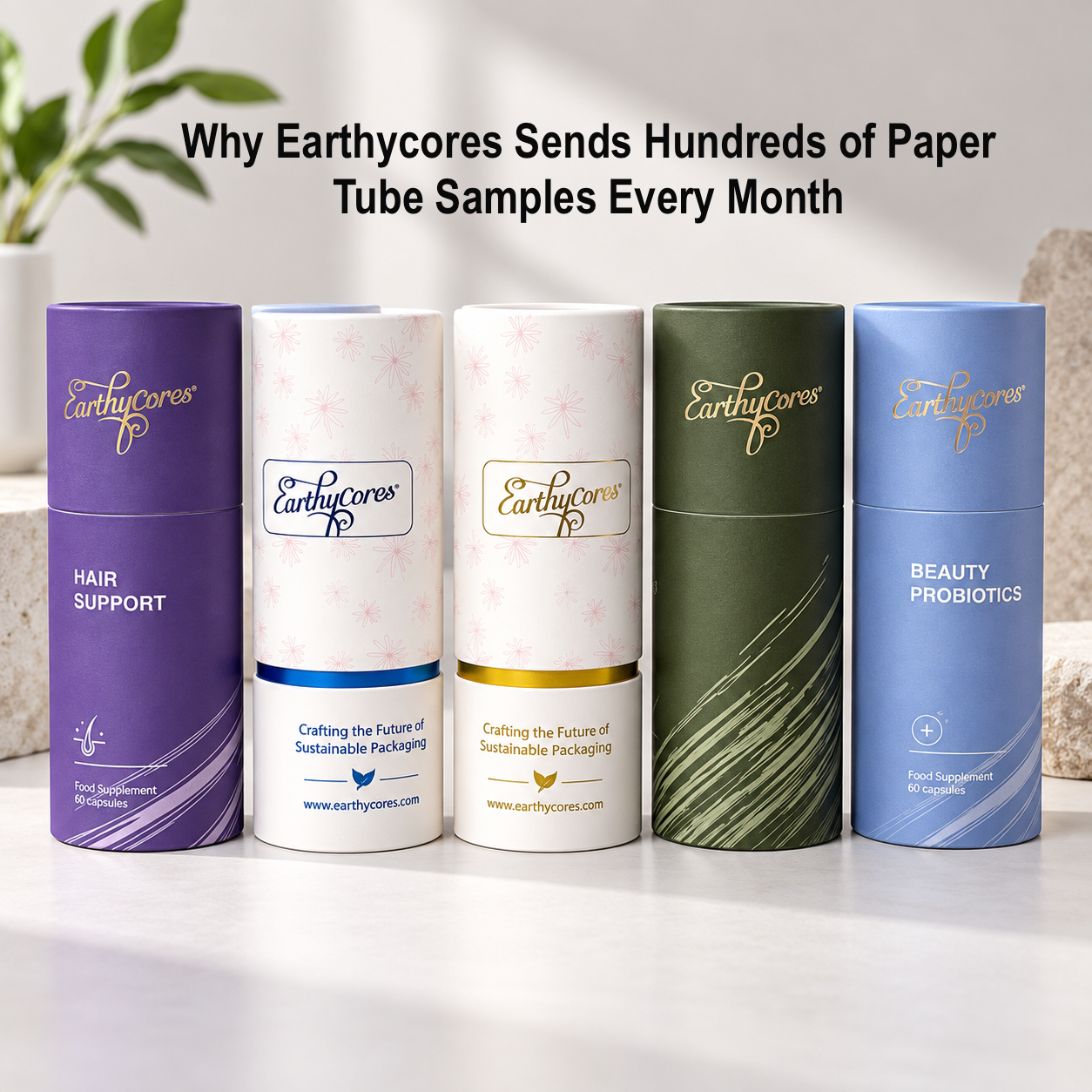
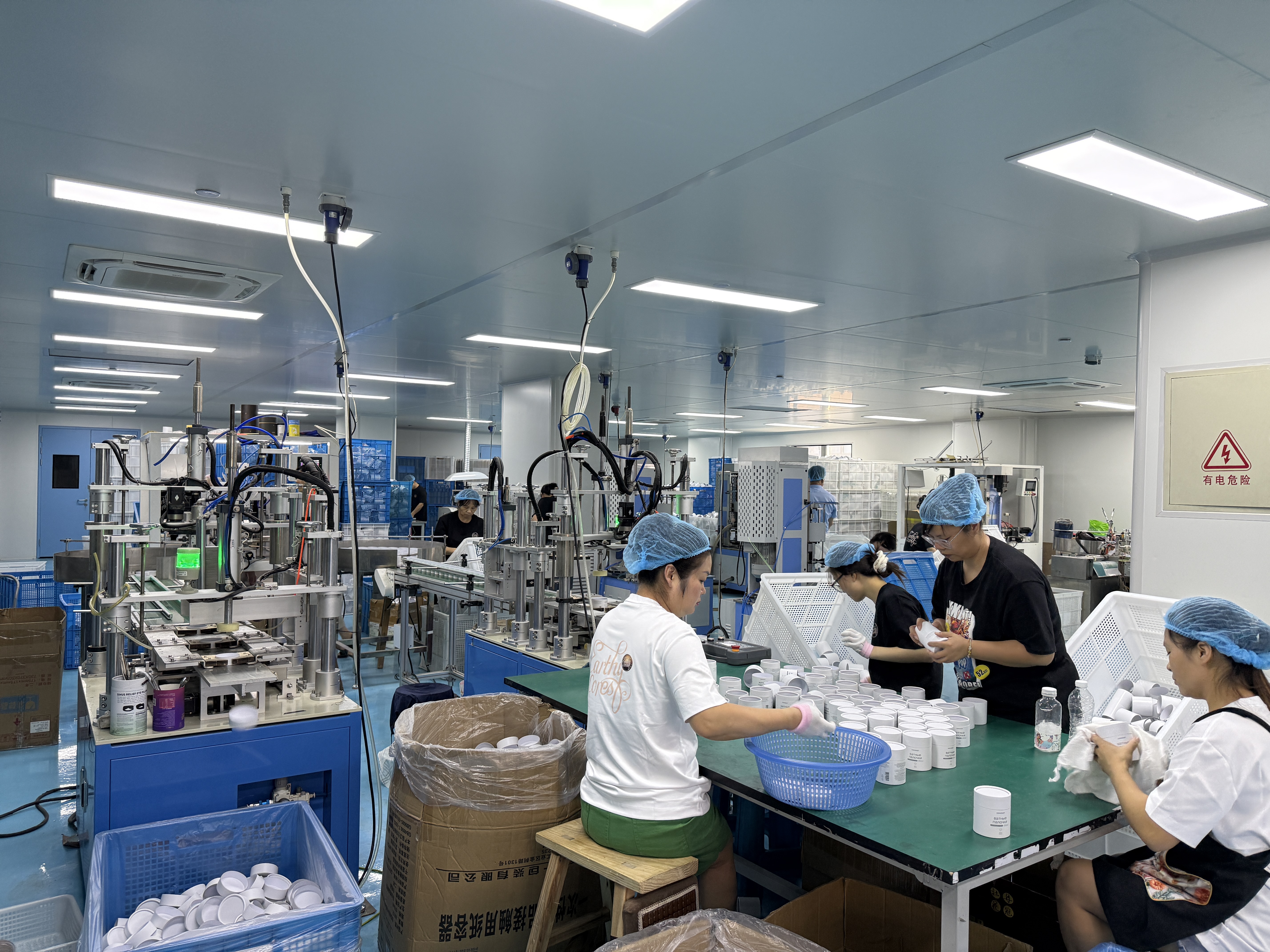
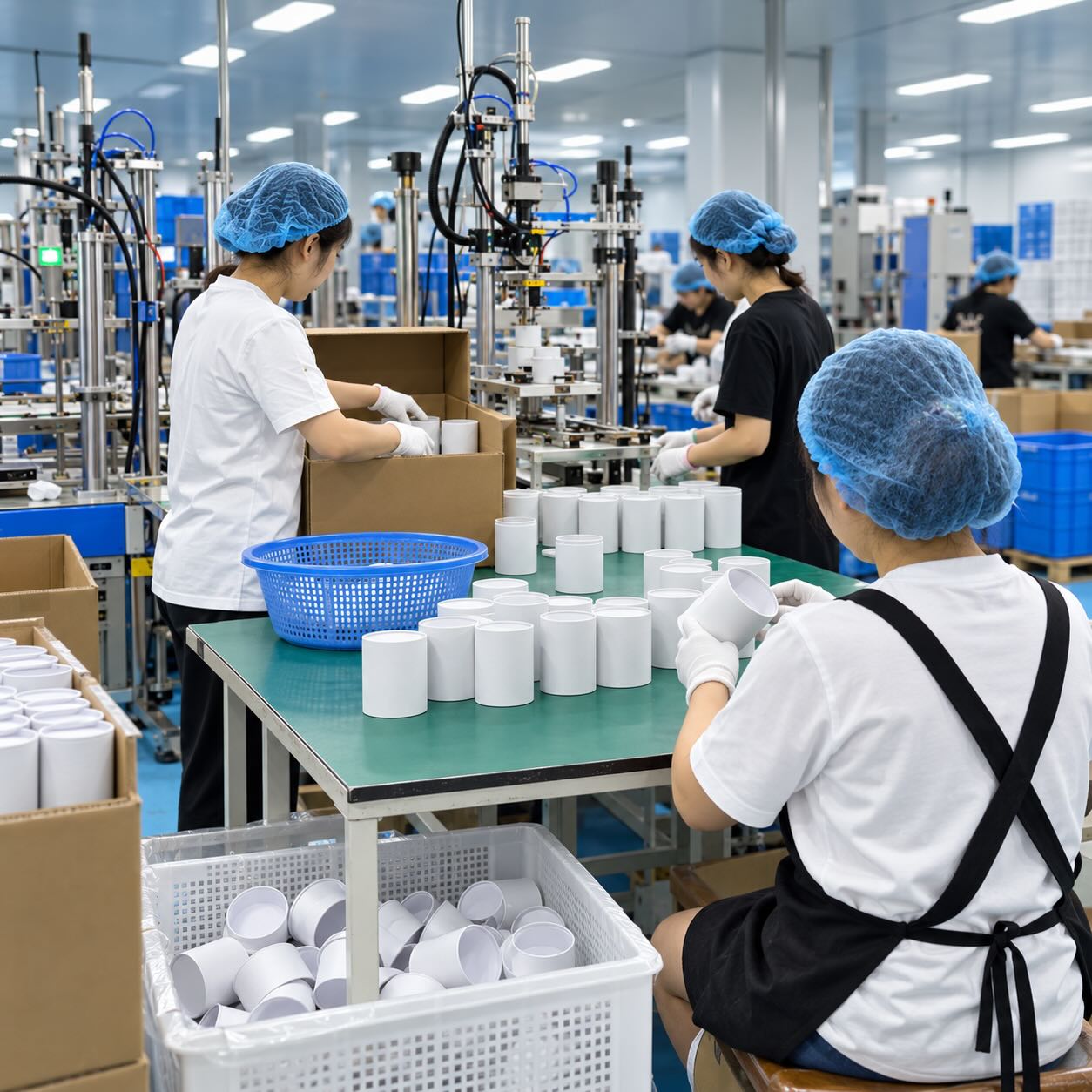
Six months ago, I noticed something in our order data that contradicted everything I thought I knew about the packaging industry. Thirty percent of our orders now come from brands ordering under 5,000 units. Not 5%. Thirty percent. Most of these are supplement companies. And they are not testing packaging. They are committing to it. The fastest reorders we see are from supplement brands that switched to paper tubes. They do not call asking for cost reductions. They call asking for new design options. That tells me something fundamental has shifted in how consumers perceive supplement packaging.
Here is what surprised me. The packaging industry usually follows consumer categories, not leads them. But supplements are different. Supplement buyers are making purchasing decisions based on trust. They are reading labels. They are researching ingredients. And increasingly, they are making assumptions about product quality based on packaging material alone.
A plastic bottle signals mass production. It signals commodity. A paper tube signals intention. It signals the brand made a choice. That choice communicates: we care about your health enough to use sustainable materials. That is not a small signal. For supplement buyers specifically, it is the difference between commoditised wellness and premium health.
I started tracking this pattern 18 months ago. Supplement brands switching from plastic to paper tubes were seeing measurable increases in customer retention. Not guessing. Not hoping. Actual repeat purchase rates increasing by 12-18% within the first three months of launch. That data is driving the current shift.
Traditional packaging thinking says volume is king. Larger orders = better margins. That math is correct. But it misses what is actually happening in the market. Thirty percent of orders under 5,000 units means 30% of our growth is coming from brands that traditional manufacturers would not serve. These brands are emerging supplement companies. Health-conscious D2C brands. Small batch producers with strong brand stories.
What I observe from these smaller orders is this: they almost always reorder. And when they reorder, they order design variations. Not just different quantities of the same tube. Different colours. Different embossing options. Custom sizing. They are not treating packaging as a commodity purchase. They are treating it as a brand asset.
The supplement brands ordering 1,000 units today are the ones ordering 8,000 units in 18 months. Because their customers are responding. The trust signal works. The environmental choice resonates. And those small initial orders are actually validation data. They prove the market wanted this shift all along. They were just waiting for a brand to do it first.
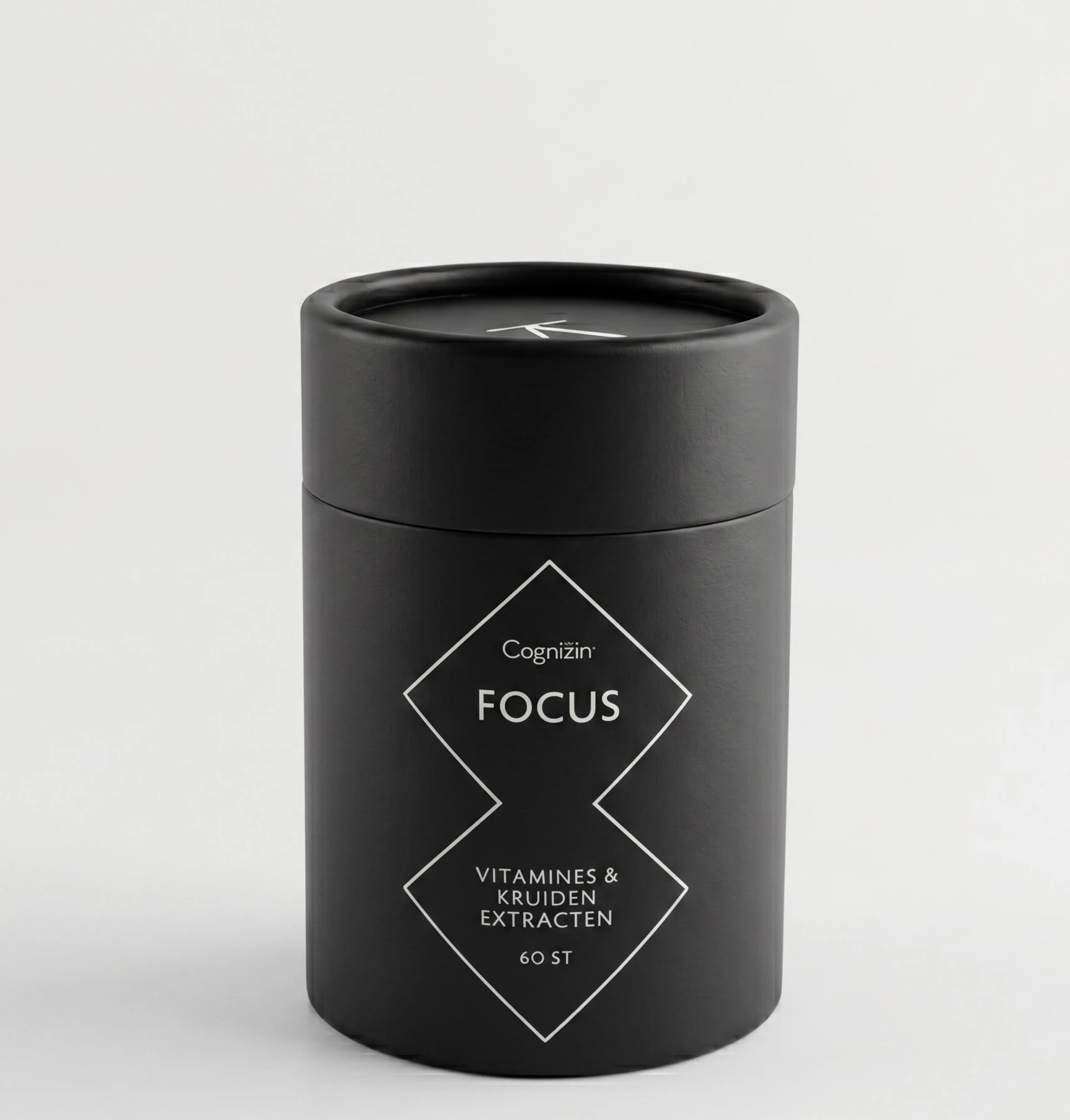
Optional child-resistant options available
Food-grade and eco-friendly materials
Plastic-free and recyclable
I have talked to dozens of supplement brand founders. They say the same thing. When they switched packaging, customer emails changed tone. Testimonials shifted from focusing on ingredient efficacy to including comments about brand trust. One founder told me: "My customers started asking where the tubes come from and whether they were recyclable. Before paper tubes, nobody asked questions about packaging at all."
That shift is not coincidental. Supplement customers are health-conscious by definition. They research what goes into their body. Extending that research logic to packaging is natural. If I care about the purity of my vitamins, why would I not care about the environmental impact of the container?
The brands capturing this are winning. The ones still using plastic are facing a quiet but accelerating headwind. Younger supplement buyers (under 40) specifically cite packaging sustainability as a purchase factor. That is not a niche preference anymore. That is mainstream.
Here is what manufacturers often get wrong. Small orders get treated as practice runs. Testing the equipment. Getting production right. But supplement brands cannot afford that philosophy. They are sending tubes to customers on day one. A defective tube reflects on them, not on the manufacturer. So quality has to be identical whether the order is 1,000 or 50,000 units.
The supplement brands we work with most frequently are the ones that understood this early. They negotiate for quality guarantees, not price reductions. They want 0.5% defect rates or lower as standard. They want consistent finishes. They want mechanisms that work every single time. And they get that because they understand that packaging quality is customer experience quality.
That standard does not change with order volume. It does not change with production complexity. It becomes the production standard. That is why small orders from demanding supplement brands are actually more profitable long-term than large orders from price-conscious customers. Demanding customers become loyal customers.
The packaging industry is being restructured by demand it did not anticipate. Thirty percent of orders under 5,000 units is no longer an anomaly. It is a trend. And it is coming from the supplement category specifically because that is where consumer trust is most valuable and most fragile.
Manufacturers that adapt to this shift will own the next decade. The ones waiting for large orders to come back are waiting for a demand pattern that has already shifted. The growth is not in serving massive volume orders anymore. The growth is in serving brands that care enough about quality and sustainability to commit to paper tubes at any order size.
In the supplement industry, sustainable packaging is no longer a differentiator. It is becoming the baseline expectation. Brands that have not made the shift yet are running out of time.