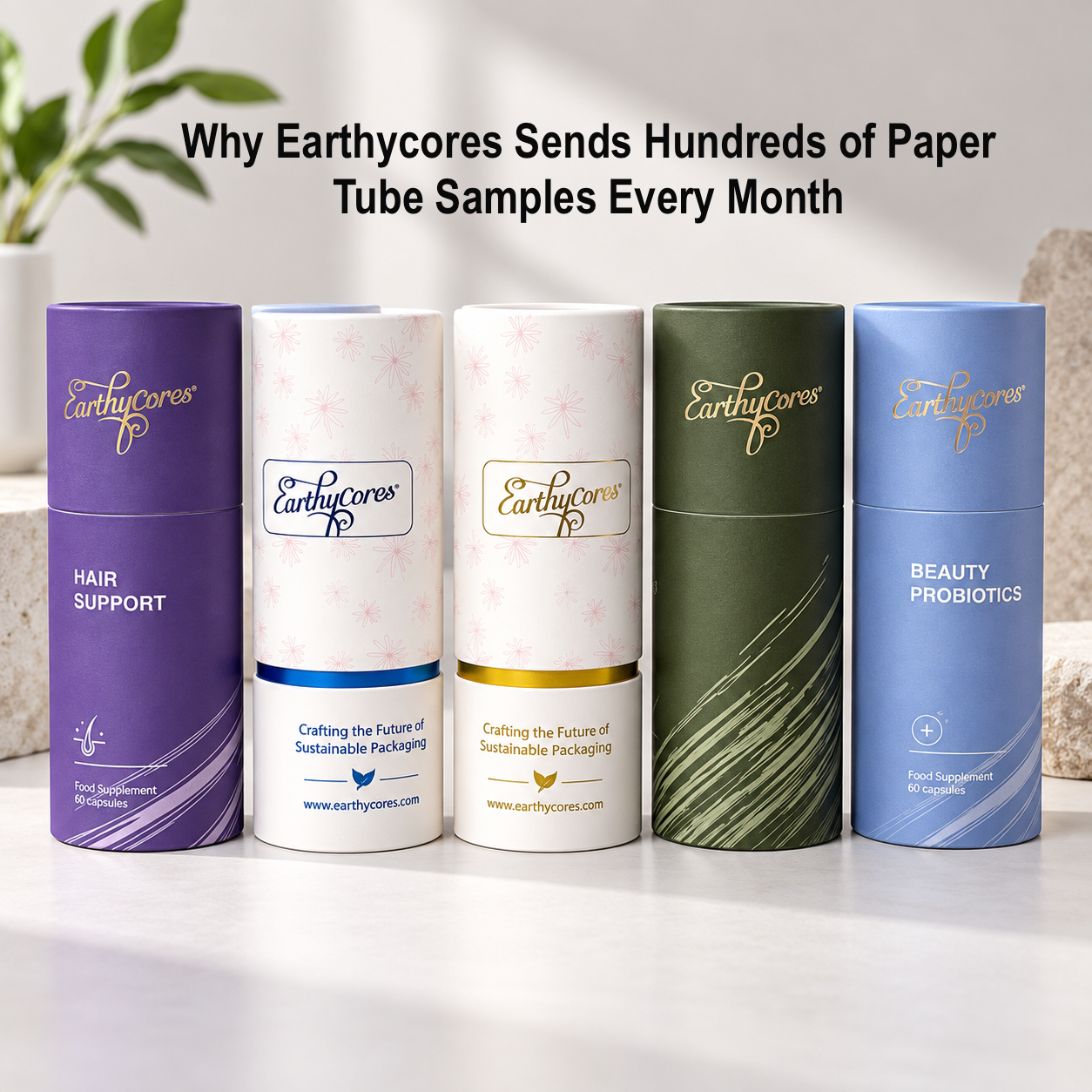
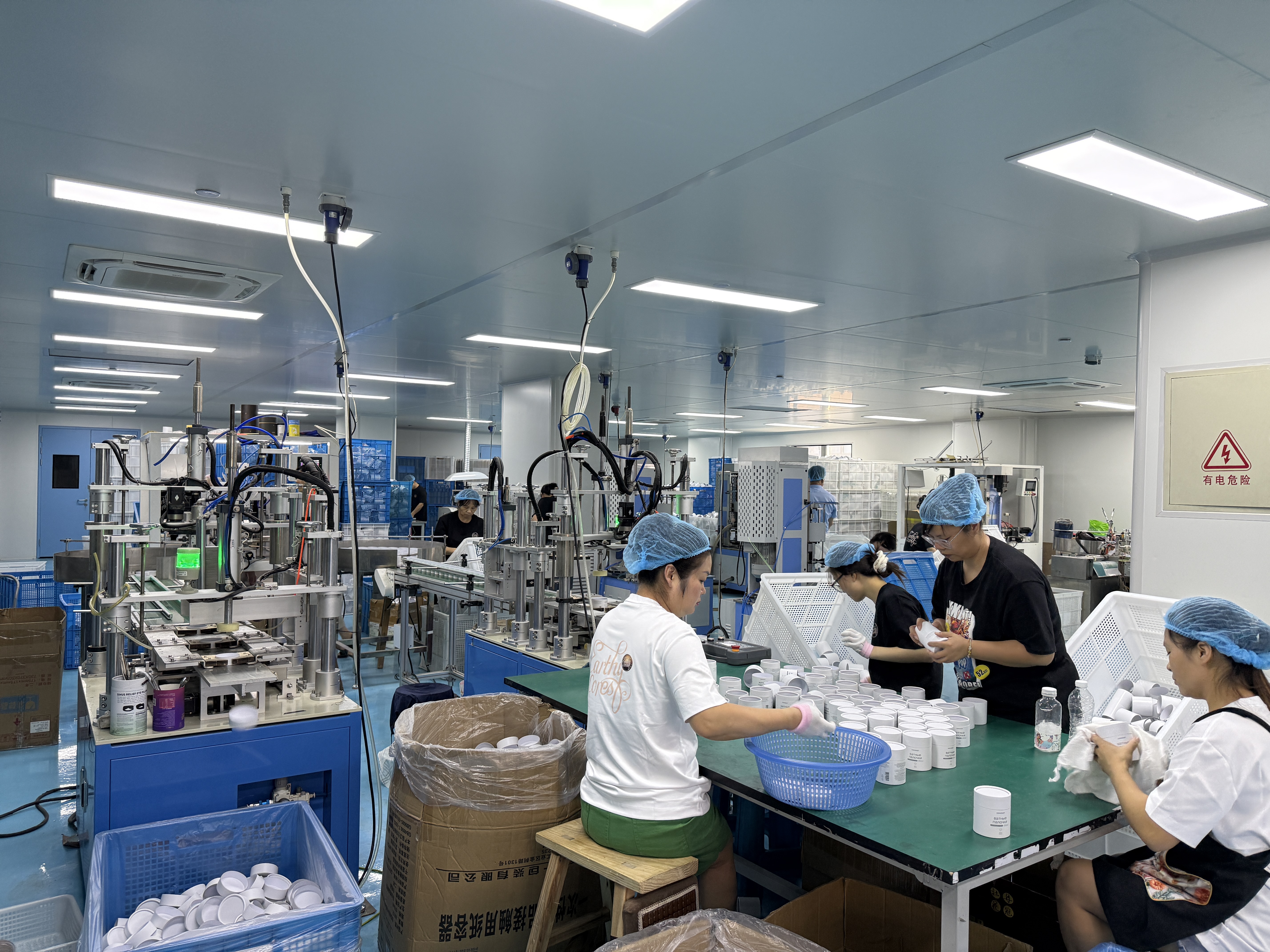
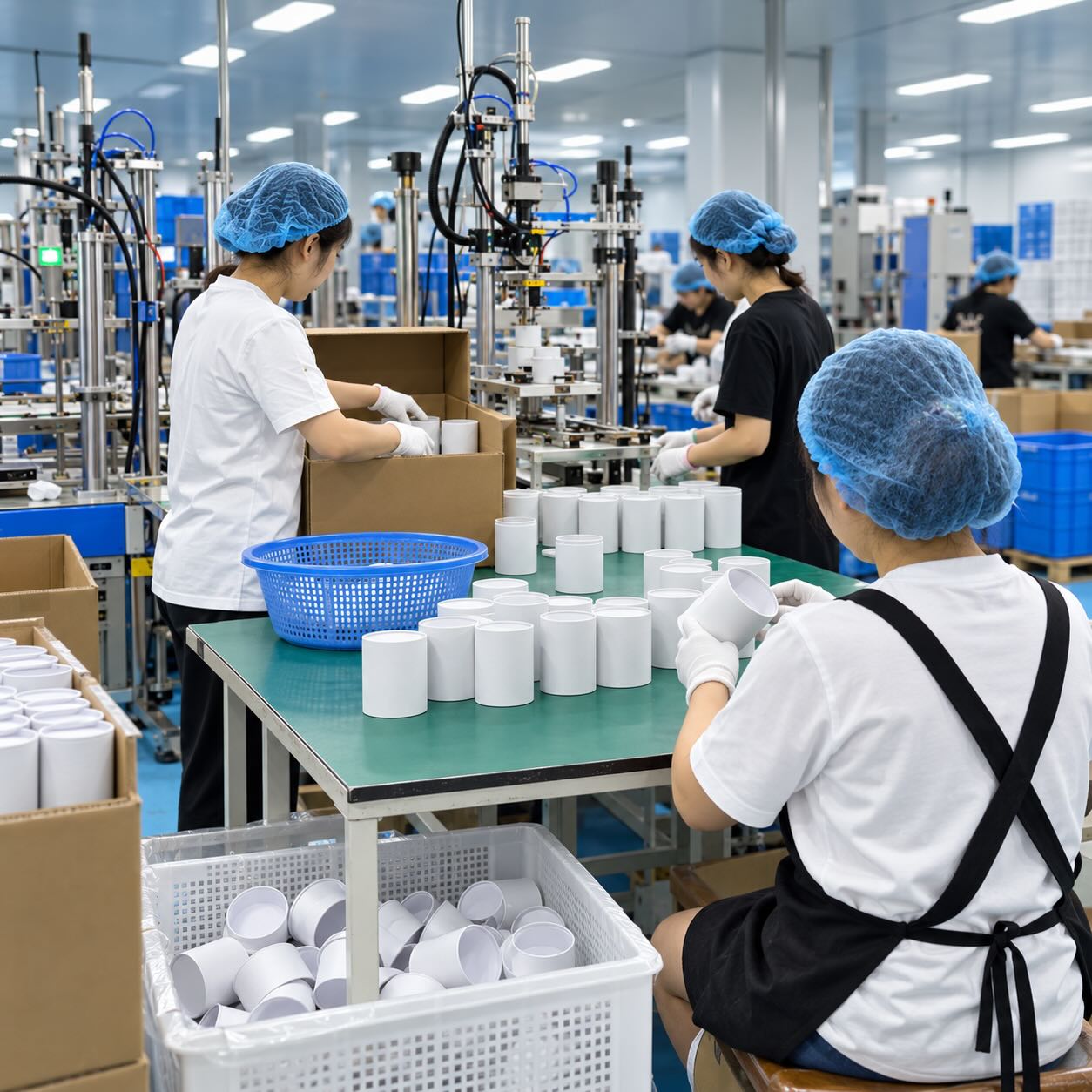
Three environmental factors degrade cosmetics before the expiry date. The packaging you choose determines how well your formula survives them.
About Earthycores: We manufacture paper-based cosmetic tube packaging from our own BRCGS-certified factory, operating since 2012 with warehouses in the US, UK, and Canada. FSC-certified paper, BPI-certified compostable materials, soy ink printing. View our certifications.
Published stability research on cosmetic formulations consistently identifies three environmental factors as the primary causes of degradation: UV and visible light, oxygen, and moisture. These work independently and in combination. A product exposed to retail lighting while sitting in a clear container faces all three simultaneously.
UV radiation at wavelengths between 280nm and 400nm is particularly damaging. It breaks chemical bonds directly, a process called photolysis. Retinol, one of the most widely used active ingredients in skincare, degrades rapidly under UV exposure. Vitamin C oxidises. Carotenoids used in colour cosmetics break down. Antioxidants in formulas are depleted faster under light, leaving the product with reduced efficacy well before the printed expiry date.
Oxygen accelerates this process further. Lipid-based ingredients, including plant oils, waxes, and emollients, oxidise when oxygen permeates packaging walls. Research published in the journal Cosmetics found that cosmetics in packaging with inadequate oxygen barriers began showing measurable oxidation changes after approximately 20 days of storage, with different packaging materials showing significantly different rates of degradation from that point. The packaging material was the variable, not the formulation.
Moisture affects stability through two separate mechanisms. It can directly alter product consistency, particularly in powder and pressed formats. It also provides conditions for microbial growth in products without strong preservative systems, which is increasingly relevant as clean beauty formulations reduce preservative load.
Clear packaging shows the product. That visual transparency is commercially appealing, particularly for colour cosmetics and serums where the texture and colour are part of the brand presentation. The problem is that the same transparency that lets consumers see the product also lets light reach it continuously, from manufacturing through shipping, shelf time, and home storage.
Brands working with clear PET or glass packaging typically address this by adding UV-blocking additives or coatings to the packaging material, or by using amber and frosted glass which reduces light transmission. Both approaches add cost and material complexity. Neither achieves complete light exclusion in standard retail conditions.
| Packaging Type | Light Barrier | Oxygen Barrier | Moisture Barrier | Recyclable |
|---|---|---|---|---|
| Paper tube (opaque) | Complete | Good with liner | Good with liner | Yes |
| Clear PET plastic | None | Moderate | Moderate | Rarely in practice |
| Amber glass | Partial (UV only) | Good | Good | Yes, heavy |
| Opaque HDPE plastic | Complete | Moderate | Moderate | Rarely in practice |
A paper tube is opaque by construction. It requires no UV-blocking additives, no tinted glass, no secondary coating. Light does not reach the product because the layered paperboard structure, typically 0.75mm to 2.5mm thick, physically blocks all transmission. This is complete light protection from the moment of filling to the moment of consumer use, at no additional material cost.
Oxygen and moisture protection comes from the inner liner specification. For most cosmetic outer packaging applications, a water-based or soy-wax inner coating provides adequate moisture resistance. For oil-based serums, wax-based balms, or formulas with active ingredients sensitive to oxidation, a food-grade foil inner lining delivers stronger barrier performance. The outer paper handles everything visible to the consumer. The liner handles product protection. Both are paper-based and both can be recycled.
The structural advantage for cosmetic brands
Paper tubes serve as outer packaging for primary containers like glass vials, aluminium tubes, and ceramic jars. The primary container protects the formula directly. The paper tube protects the primary container from light, physical damage, and the retail environment. Together they do a better job than either format alone, while keeping the outer packaging fully paper-based and recyclable.
There is also a structural point about rigidity. Cosmetic primary packaging, particularly glass, is vulnerable to impact during shipping and retail handling. A paper tube with wall thickness matched to the inner container provides shock absorption that cardboard boxes and paper wrapping do not. The tube holds its shape. The inner container stays intact.
For brands making solid formats, including solid cleansers, lip balm tubes, deodorant sticks, and solid serums, the paper tube is the primary container. In this application the push-up mechanism, the tube wall, and the cap all need to work together to keep the formula stable and the product usable across its shelf life. Getting the wall thickness and liner specification right for the specific formula is where product longevity is actually determined.
Inner liner type
Water-based coating for standard cosmetic outer packaging. Soy-wax for wax-based or oil-adjacent formulas. Foil lining for active ingredient formats needing maximum barrier protection.
Wall thickness relative to inner container weight
Lighter primary packaging needs less wall support. Heavier glass primaries need thicker walls for structural integrity during shipping. Range is 0.75mm to 2.5mm depending on application.
Cap and closure fit
A loose-fitting cap defeats moisture and oxygen protection regardless of liner quality. CNC-cut friction-fit caps create an airtight seal that holds through repeated open and close cycles.
Sample and stability test before production
Fill a pre-production sample with your actual formula and store under normal conditions for 4 to 6 weeks. Check for separation, discolouration, texture change, or any scent alteration. This is the only way to verify the specification works for your specific product before committing to a production run.
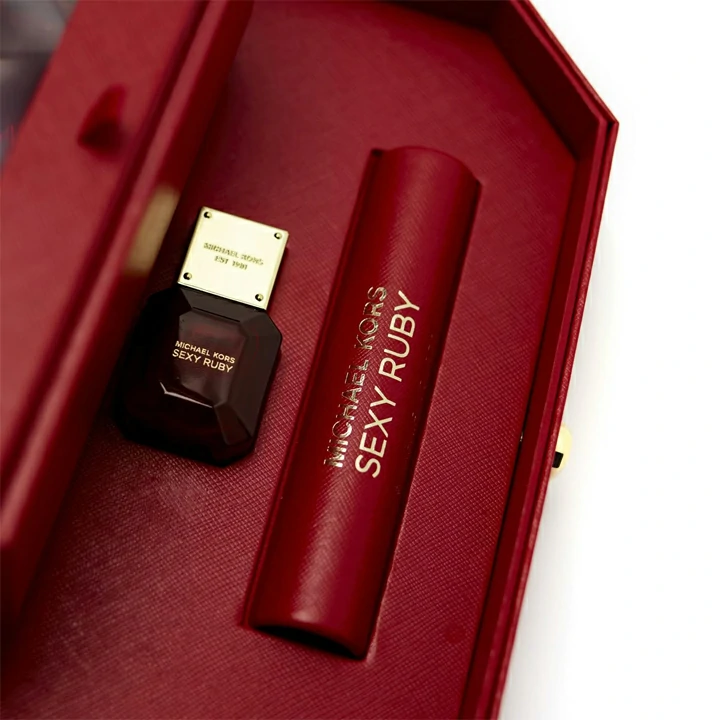
Earthycores
Cosmetic Tube Packaging
Custom sizes, soy ink print, FSC-certified, MOQ 1,000, free samples
Light degrades retinol, vitamin C, and colour cosmetic ingredients through direct photolysis. Oxygen oxidises lipid-based formulas. Moisture disrupts powder formats and creates microbial risk in low-preservative products. Paper tube packaging blocks all three by construction, without additives or special coatings, when the wall thickness and inner liner are correctly specified for the formula inside.
Packaging is not a cosmetic decision. It is a formulation stability decision that happens to have a cosmetic outcome. Getting the specification right means your product performs at the potency your customers expect from first use to last.