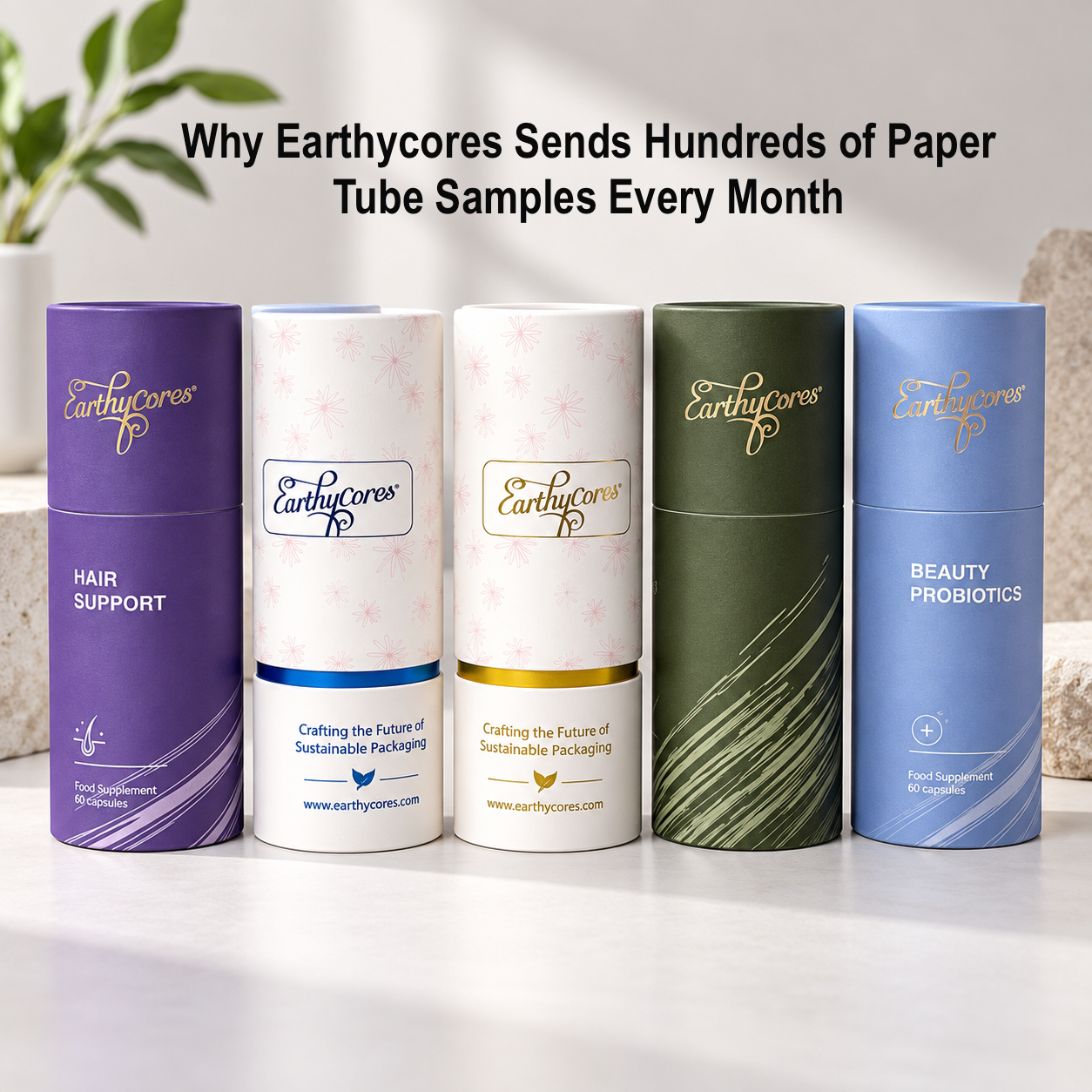
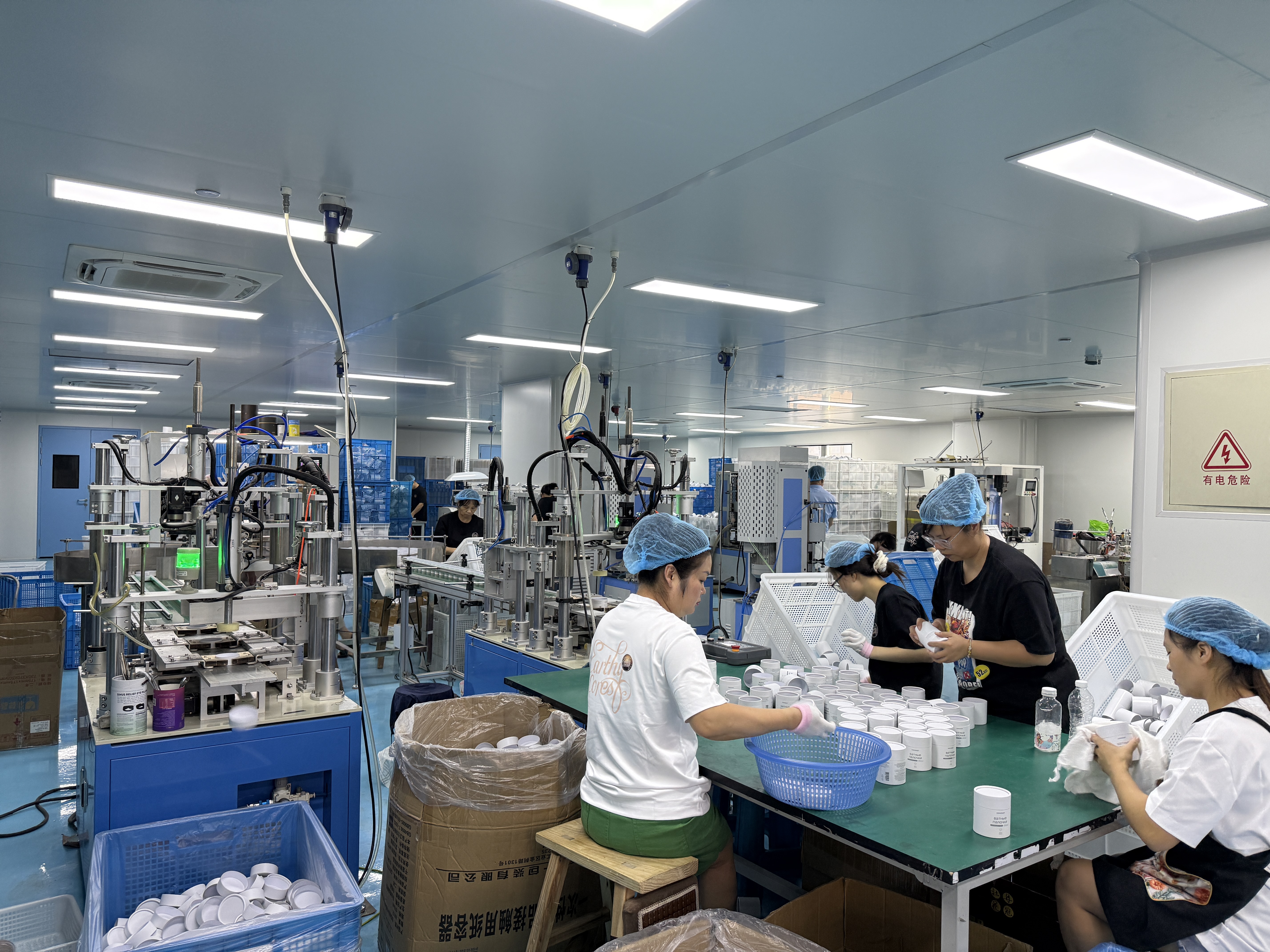
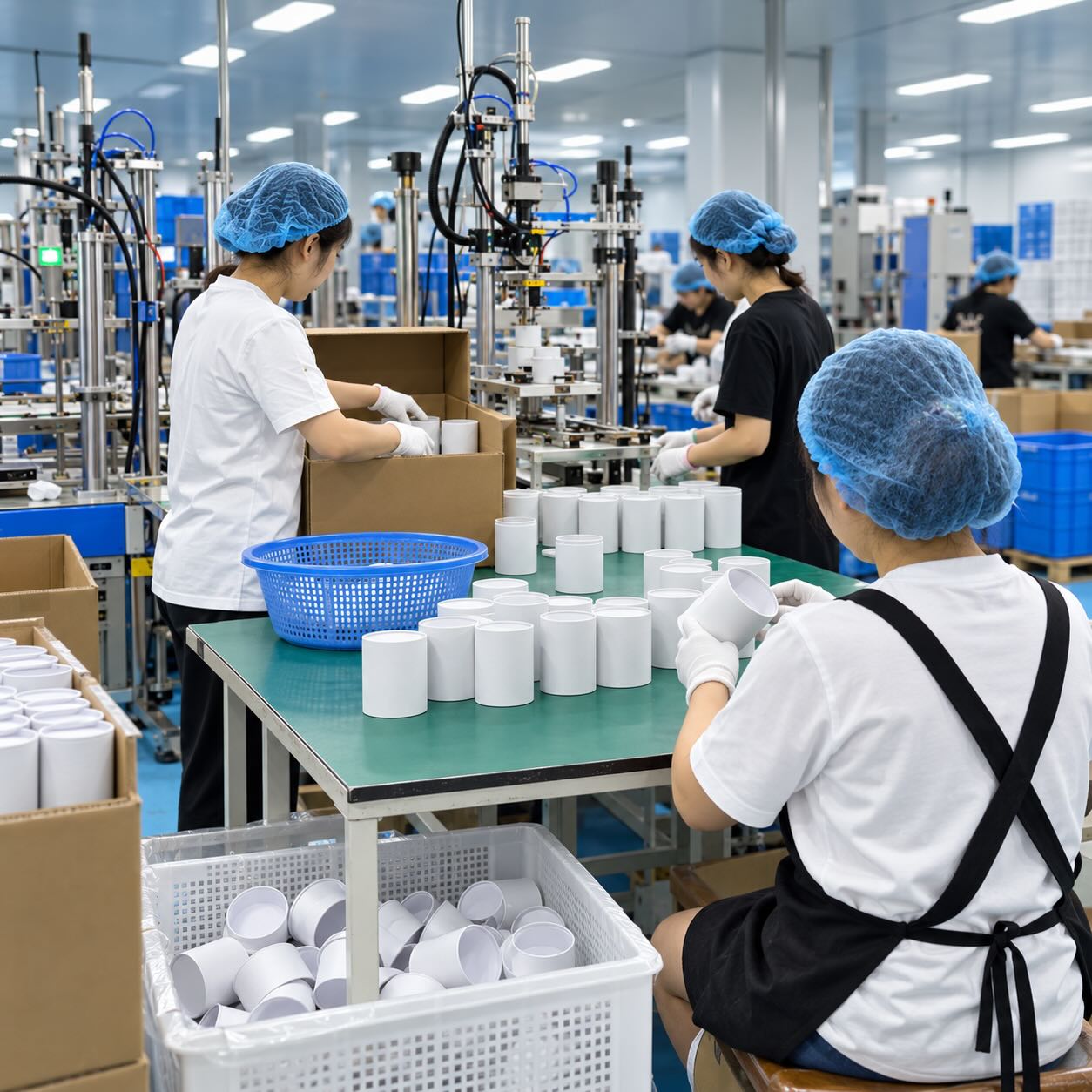
Most supplement brands spend months on the formula and minutes on the packaging spec. This is where product quality is quietly lost before the customer ever opens the lid.
About Earthycores: We manufacture composite paper tubes with food-grade barrier linings for supplement, pharmaceutical, and wellness brands. FSC-certified, BPI-certified compostable, BRCGS food-grade manufacturing standards. Operating our own factory since 2012 with warehouses in the US, UK, and Canada. View certifications.
Oxygen degrades fat-soluble vitamins and probiotics. Moisture causes clumping, microbial risk, and probiotic count collapse. Light breaks down B vitamins, vitamin C, and carotenoids. The packaging specification that protects against all three is a composite tube with a food-grade foil inner liner and an opaque paper outer layer.
The brands that get this specification right from the start do not have to revisit it when customer complaints arrive at month 14. The brands that pick packaging based on price and appearance alone tend to find out what barrier protection actually costs when they have to reformulate, repackage, or deal with shelf life complaints. Getting the specification right once is cheaper than fixing it later.
Oxygen, moisture, and light are the three environmental factors that degrade supplement ingredients during storage. They work at different speeds and attack different ingredient types, but all three are present in any standard retail or warehouse environment. Packaging is the only thing standing between them and the formula inside.
Understanding how each one damages supplements is not a formulation question. It is a packaging specification question. And getting it wrong does not show up immediately. Degradation is gradual. A supplement that tests at full potency at manufacture can be significantly weaker six months later if the packaging specification is wrong for the ingredient profile inside.
Why this matters at the brand level
A customer buying a 24-month shelf life product expects full potency at month 23. If your packaging allows oxygen or moisture in, that promise breaks before the expiry date. The customer does not know why the product stopped working. They just do not reorder.
Oxidation is the most immediate degradation pathway for most supplement ingredients. Fat-soluble vitamins — A, D, E, and K — oxidise relatively quickly when oxygen is present. Omega-3 fatty acids are among the most sensitive ingredients in supplement formulation. Fish oil exposed to oxygen goes rancid and the nutritional value drops significantly before any smell is detectable.
Probiotic cultures are particularly vulnerable. Live bacteria counts drop when oxygen permeates packaging walls, which is why probiotic shelf life claims are only as reliable as the packaging barrier behind them.
The key metric here is oxygen transmission rate how much oxygen passes through the packaging material per unit of surface area per day. Standard cardboard without a barrier lining has a high transmission rate. Composite tubes with an aluminum foil inner lining reduce oxygen transmission to levels appropriate for most supplement formats, maintaining the internal environment closely enough that ingredients retain their stated potency through a standard 24-month shelf life.
Moisture damage is slower than oxidation but harder to reverse. Hygroscopic ingredients — those that naturally absorb water from the air are the first to show problems. Powdered supplements, particularly those containing magnesium, creatine, or certain amino acid complexes, clump when moisture enters the packaging. The product becomes difficult to scoop, measure, or dispense. Customers return it or complain.
Moisture also accelerates microbial activity. For products without preservatives, even low water activity levels can create conditions where mould or bacterial growth begins well within the stated shelf life. For a brand selling into the health category, this is a serious quality risk.
Probiotics are again the most vulnerable format. Live cultures are stable only within specific humidity ranges. Packaging that allows moisture variation collapses the viable bacteria count faster than almost any other storage factor.
Shelf Life Expectations by Supplement Format
Capsules and tablets: 24 months standard with adequate moisture barrier
Protein and collagen powders: 18 to 24 months depending on ingredient sensitivity
Greens and superfood blends: 18 to 24 months with low humidity packaging
Probiotic formats: 12 to 18 months, refrigeration often required after opening
Herbal extracts and botanicals: 24 months with oxygen and moisture control
Note: These are standard industry expectations under correct packaging conditions. Poor barrier specification shortens all of these significantly.
Light sensitivity is the most frequently underestimated of the three factors, partly because its effects are not always visible. UV and visible light break down specific ingredient categories through photodegradation. Riboflavin (B2) is one of the most light-sensitive vitamins and is present in most multivitamin formulations. Vitamin C degrades faster under light exposure. Carotenoids including beta-carotene, astaxanthin, and lycopene are all photosensitive.
Clear or translucent packaging might show the product attractively on shelf but actively shortens the life of what is inside. Opaque packaging is the correct specification for any supplement containing light-sensitive ingredients, which covers the majority of categories.
This is one area where paper-based packaging has a structural advantage over clear or translucent plastic. A composite paper tube with a printed outer layer blocks light completely by construction, without needing UV-coating additives or special film treatments.
Not all packaging materials provide the same level of protection. The table below compares how common supplement packaging formats perform across the three key barrier factors.
| Packaging Format | Oxygen Barrier | Moisture Barrier | Light Barrier | Recyclable |
|---|---|---|---|---|
| Composite paper tube (foil lined) | Strong | Strong | Complete | Yes — paper |
| HDPE plastic bottle (standard) | Moderate | Moderate | Partial (opaque only) | Rarely in practice |
| Plain cardboard tube (no liner) | Weak | Weak | Complete | Yes |
| Clear PET plastic jar | Moderate | Moderate | None | Limited |
| Mylar pouch (foil laminate) | Strong | Strong | Complete | No |
Most brands evaluate packaging by price and appearance. These four steps add barrier performance to that evaluation, which is where the actual product quality decision sits.
Step 1 — List your most sensitive ingredients
Before contacting any supplier, identify which ingredients in your formula are oxygen-sensitive, moisture-sensitive, or light-sensitive. This list tells you which barrier properties are non-negotiable for your specific product.
Step 2 — Ask specifically about the inner liner material
The outer packaging material tells you almost nothing about barrier performance. Ask every supplier: what is the inner liner made from, what does it protect against, and is it food-contact compliant under FDA or EU food contact material regulations?
Step 3 — Request a physical sample before committing
Fill the sample with your actual product and store it under your normal warehouse conditions for 4 to 6 weeks. Check for moisture ingress, clumping, or any odour change. This is the only way to verify barrier performance for your specific formula before a production run.
Step 4 — Verify manufacturing certifications
BRCGS certification on the manufacturing facility means the factory has been independently audited against global food-grade safety standards. FSC certification on the paper stock means the material sourcing is verified. Ask for certificate numbers, not just claims.
When supplement brands evaluate packaging, they tend to focus on the outer material. Paper, plastic, glass. But for barrier protection, the outer material is largely irrelevant. What protects the supplement is the liner. A plain paper tube with no liner offers almost no barrier against oxygen or moisture. The same tube with a food-grade aluminum foil inner liner offers strong protection against both. The outer paper handles structure, print surface, and sustainability credentials. The inner liner handles product protection. Both matter, but they do different jobs.
This is the specification detail that separates tube packaging supplement options that work from those that fail at the shelf life stage. Brands that specify the outer material and assume the liner will handle itself tend to find out the hard way, usually around month 12 when customer complaints start coming in about product quality.
A correctly specified composite tube paper outer, food-grade foil inner, paper base gives supplement brands barrier protection comparable to pharmaceutical-grade packaging while remaining fully paper-based and recyclable. It is not a compromise. It is a better specification than a standard plastic bottle on every metric that matters for premium supplement positioning.
Questions to ask any supplement tube supplier
What is the inner liner material and what does it protect against?
Is the liner food-contact compliant under FDA 21 CFR or EU regulation 1935/2004?
Does the outer paper carry FSC certification — and what is the certificate number?
Is the manufacturing facility BRCGS certified?
Can I receive a filled sample to test under my storage conditions before ordering?
Are there any plastic components anywhere in the tube or closure mechanism?
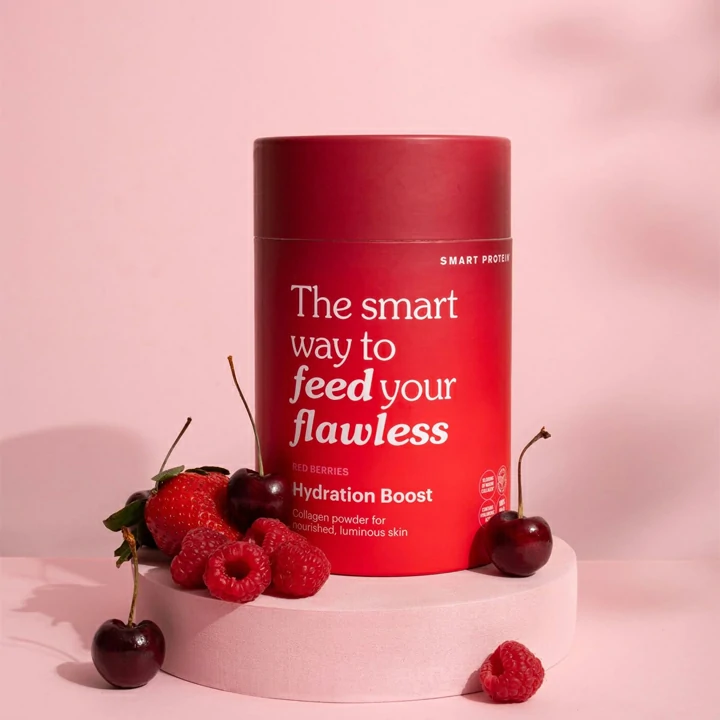
Earthycores Barrier Specification for Supplement Tubes
Inner liner: food-grade aluminum foil, bonded to paper substrate
Oxygen barrier: suitable for capsules, tablets, and powdered supplement formats
Moisture barrier: appropriate for 18 to 24-month shelf life under standard storage
Light barrier: complete, opaque by construction, no UV coating required
Food contact compliance: FDA and EU food contact material standards
Manufacturing: BRCGS certified facility, own factory operating since 2012
Need Supplement Tubes With Proper Barrier Protection?
Our paper tube packaging for supplements includes food-grade foil lining, BRCGS-certified manufacturing, and FSC-certified paper. Free samples to US, UK, and Canada. MOQ 1,000.
Request Free Samples